Higher tariffs have dealt a “severe blow” to the world economy, China’s premier said on Tuesday, even as China’s own trade surplus has surged past $1 trillion. Premier Li Qiang made the remarks at a forum of top international organisations held in Beijing while top Chinese leaders are attending an annual economic planning meeting.
“Starting from the beginning of this year, we’ve seen the stick of tariffs being wielded around the world with growing restrictive measures on the economy and trade, which have dealt a severe blow to the global economy,” Li said, without mentioning US President Donald Trump and his tariff hikes specifically.
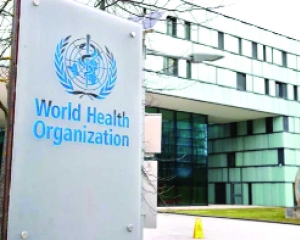
“As the situation has unfolded, the damaging consequences of tariffs hurting both others and oneself have become increasingly evident, and calls from all sides to uphold free trade have grown ever stronger,” Li told the gathering of top representatives from the International Monetary Fund, the World Bank and the World Trade Organisation. Trump’s sharply higher tariffs on imports from China and other countries have dented Chinese exports to the US, but that has been offset by higher shipments to other global markets. Chinese customs figures reported Monday showed exports to the United States plunged 29 per cent in November from a year earlier in the eighth straight month of declines.
Meanwhile, China’s trade surplus in dollar terms for 2025 had already exceeded $1 trillion as of November, while exports rose 5.9 per cent from a year earlier.
Trade friction between Beijing and Washington has eased somewhat after Trump and Chinese President Xi Jinping met in late October during a regional economic summit in South Korea. The two sides agreed to dial back earlier steps and extend a truce in retaliatory measures for a year. With investments in technology rising, outpacing overall investments, Li called for “collaborative innovation,” saying “we need to embrace an open mind and work hand in hand to pursue openness and cooperation.” The Central Economic Work Conference, the annual planning meeting held this week, follows a top-level meeting in October to draft China’s plan for 2026-2030.
It focused on China’s aim to remain a global manufacturing power and build a stronger domestic economy that is more reliant on consumer spending and technological advances. China’s economy grew at a 4.8 per cent annual pace in the last quarter, the slowest pace in a year. However, economists expect growth to hit the official 2025 target of about 5 per cent, thanks partly to strong exports.