From inspiring real-life recoveries to spearheading global initiatives, PM Modi’s consistent advocacy has not only brought Ayurveda back into the spotlight but has also redefined how India and the world perceive holistic health
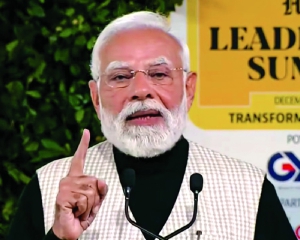
In recent years, Ayurveda, India’s age-old system of holistic health, has witnessed a resurgence both within the country and globally. While much of this can be attributed to increased awareness and scientific validation, a significant driving force behind this revival is Prime Minister Narendra Modi’s consistent advocacy through his monthly radio programme, ‘Mann Ki Baat’. Launched in 2014, ‘Mann Ki Baat’ has become more than just a platform for public outreach — it has evolved into a powerful medium to promote India’s cultural, health, and spiritual heritage. Among its many messages, one of the most prominent has been the promotion of Ayurveda and holistic healthcare.
Ayurveda: A Central Theme in ‘Mann Ki Baat’
The prime minister has consistently stressed the importance of Ayurveda, not just as a treatment model but as a way of life that emphasises prevention, balance, and wellness. He has spoken about the global interest in Ayurvedic practices and products, especially during and after the COVID-19 pandemic, when immunity and preventive care took centre stage.
In the 87th and 91st episodes of ‘Mann Ki Baat’, PM Modi specifically highlighted the growing interest in holistic healthcare and Ayurveda’s role in India’s COVID-19 response. He emphasised how AYUSH practices, rooted in ancient Indian medicine, helped millions build resistance during the pandemic and gained international recognition.
Real-Life Stories that Inspire
‘Mann Ki Baat’ has also become a platform for sharing remarkable real-life stories that underscore Ayurveda’s transformative power. One such moving example is the story of Rosemary Odinga, daughter of former Kenyan Prime Minister Raila Odinga. Suffering from loss of eyesight after brain tumour surgery, Rosemary underwent treatments in various hospitals across the world without success.
However, she experienced a remarkable recovery through Ayurvedic treatment at Sreedhareeyam in Kerala. PM Modi spoke emotionally about this in his broadcast, highlighting Ayurveda’s potential as a global healing system.
Another example featured in ‘Mann Ki Baat’ was the Manav Mandir in Himachal Pradesh, which treats muscular dystrophy using traditional Indian practices. Such stories serve to educate, inspire, and instil pride in the efficacy of India’s ancient healthcare systems.
A Broader Healthcare Vision
While Ayurveda remains a focal point, ‘Mann Ki Baat’ has also reflected PM Modi’s broader vision of healthcare as a national priority.
The radio programme has covered initiatives such as Swachh Bharat, Swasth Bharat, Jan Aushadhi, and Ayushman Bharat. These initiatives underline the government’s commitment to making healthcare not only accessible but also affordable for all Indians.
The Prime Minister has stressed the role of preventive care, traditional wellness practices, and mental well-being.
The World Health Organisation has even recognised his contribution to addressing mental health issues through ‘Mann Ki Baat’. By speaking about topics such as depression and emotional well-being, the Prime Minister has destigmatised mental health and encouraged people to seek support.
Policy Intervention
PM Modi’s support for Ayurveda extends far beyond his speeches. Under his leadership, the Ministry of Ayush has been actively promoting Ayurveda as a global health system. One of the most significant moves was the organisation of the Global Ayush Investment and Innovation Summit, which attracted investment proposals of nearly `10,000 crore, reflecting the growing trust in the Ayurvedic ecosystem.
Furthering this vision, the government has emphasised integration between Ayurveda and modern medicine. On Ayurveda Day last year, the Prime Minister inaugurated multiple health projects aimed at promoting research and innovation in traditional medicine. These include the establishment of new research centres, the development of herbal gardens, and the scientific validation of traditional herbs.
The government is also investing in improving the quality and scale of Ayurvedic education and research. From opening new institutions to upgrading existing infrastructure, these efforts aim to create a new generation of practitioners who are equally versed in traditional knowledge and modern scientific practices.
Ayurveda and Women’s Wellness
Ayurveda’s strength lies in its holistic and natural approach to healing-balancing the body, mind, and spirit. It treats root causes, not just symptoms, using herbs, diet, and lifestyle adjustments. Importantly, Ayurvedic remedies are known for their minimal side effects, making them a sustainable and gentle alternative for long-term wellness.
Ayurveda has long offered effective solutions to a wide range of women’s health issues-from managing menstrual discomfort and hormonal imbalances to enhancing fertility, skin health, and postpartum recovery.
Herbs like Dhamasa Patti, Siras Beej, Kachnar, Ashoka, Shatavari, Lodhra, and Kumari (Aloe Vera) are renowned for their benefits in addressing PCOS, irregular periods, menopausal symptoms, and reproductive health concerns.
With increasing awareness and accessibility, several Ayurvedic brands today are tailoring products specifically for women’s wellness. These include easy-to-use formulations for intimate hygiene, sexual wellness, pregnancy care, and skin health. Through the e-commerce model, many of these brands are making authentic Ayurvedic solutions available at the click of a button-delivering trusted care from ancient science right to people’s doorsteps.
These women-centric Ayurvedic wellness brands are also making it simpler to integrate Ayurveda into modern routines. Whether it’s herbal supplements, period pain relief solutions, or skin/acne care blends, today’s products combine traditional wisdom with convenience, supporting women through every stage of life.
Creating Global Awareness
PM Modi’s commitment to Ayurveda has not gone unnoticed globally. His efforts have led to increased international awareness and acceptance of Ayurveda. By consistently highlighting Ayurveda’s benefits on platforms like the United Nations and during bilateral meetings, the Prime Minister has positioned it as a universal health solution.
The Ministry of Ayush has capitalised on this momentum by signing MoUs with various countries, setting up Ayush information cells abroad, and conducting international seminars. These actions have strengthened Ayurveda’s global footprint and created opportunities for exports, research collaborations, and educational exchanges.
Digital and Media Outreach
‘Mann Ki Baat’ itself has played a pivotal role in expanding Ayurveda’s reach. Broadcast in multiple languages and widely shared across social media platforms, the programme brings traditional knowledge into contemporary households. It speaks not only to urban listeners but also reaches rural populations, encouraging them to explore affordable, locally available health solutions.
The show’s storytelling approach, combined with the Prime Minister’s endorsement, makes the message more relatable and trustworthy. When the country’s top leader shares stories of hope, recovery, and wellness rooted in Ayurveda, it helps break down scepticism and build mainstream acceptance.
Encouraging Healthy Lifestyles
PM Modi has consistently used ‘Mann Ki Baat’ to encourage people to take responsibility for their health. He speaks about the importance of yoga, clean eating, exercise, and natural remedies-all of which are aligned with Ayurvedic principles. These lifestyle choices, when practised regularly, can prevent chronic illnesses and reduce the burden on the healthcare system.
Through this platform, citizens have been inspired to adopt Ayurvedic habits, such as drinking turmeric milk and using tulsi and giloy. These small but effective changes in daily routines signify a return to traditional roots.
The Future of Ayurveda
As ‘Mann Ki Baat’ completes over 120 episodes, its role in transforming public perception of Ayurveda stands as a testament to the power of consistent advocacy. PM Modi’s efforts have laid the foundation for a healthcare system that values both tradition and innovation.
The “Modi Effect†has been instrumental in reviving and mainstreaming Ayurveda in India. Through ‘Mann Ki Baat’, Prime Minister Modi has connected the past with the future, reminding citizens of the wisdom rooted in Indian traditions while paving the way for a healthier tomorrow.
The journey of Ayurveda from ancient manuscripts to modern hospitals is being written afresh-and the voice narrating it belongs to the nation’s highest office. As Ayurveda continues to evolve and adapt, its future looks promising, empowering millions-especially women-with accessible, effective, and time-tested wellness solutions.
(The writer is Founder and CEO at Girlyveda. Views are personal)