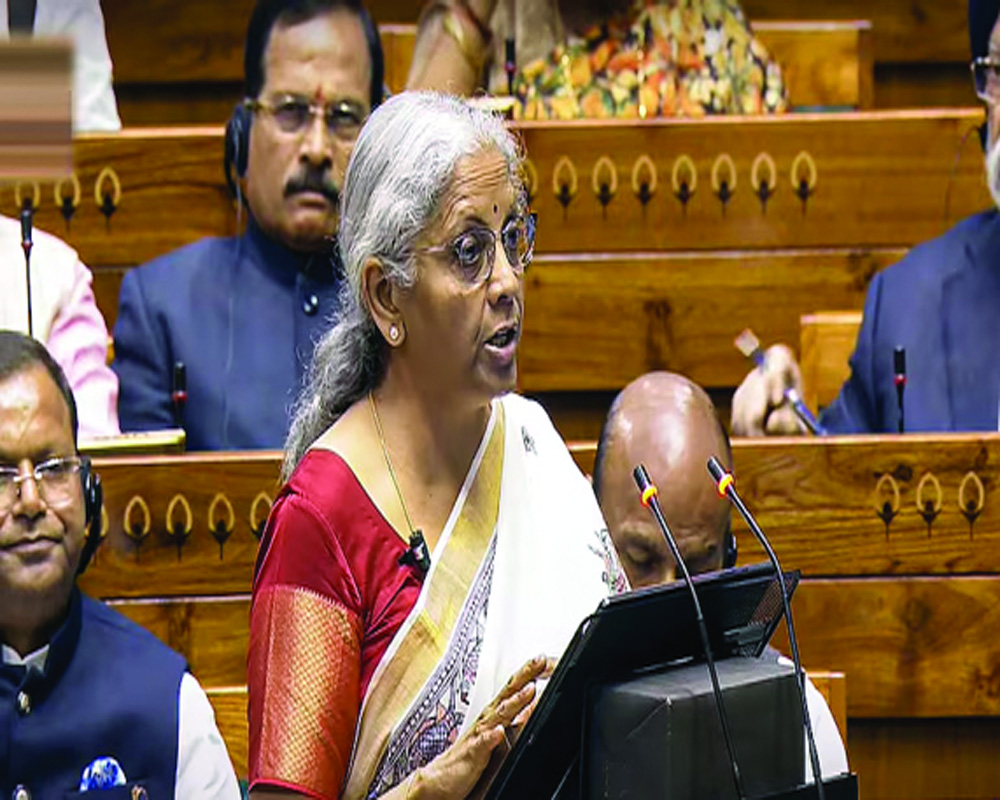
The Union Budget 2025-26, presented by Nirmala Sitharaman, has drawn mixed reactions, balancing ambitious reforms with pressing economic challenges
The Union Budget for 2025-26, presented by Finance Minister Nirmala Sitharaman, has sparked significant debate due to both its promising provisions and notable shortcomings. While the budget introduces key reforms such as tax relief for the middle class, incentives for manufacturing and infrastructure development, it falls short in addressing pressing concerns such as job creation, wage growth, inflation control, and rural distress. A deeper analysis reveals both its strengths and weaknesses.
Income Tax Reforms: One of the most widely appreciated aspects of the budget is the increase in the tax exemption limit from Rs 7 lakh to Rs 12 lakh, offering substantial relief to middle-class taxpayers. Additionally, the standard deduction has been raised to Rs 75,000, effectively reducing the tax burden for those earning up to Rs 12.75 lakh per annum. These reforms are expected to boost disposable income, encourage savings, and enhance consumer spending.
Manufacturing and Export Promotion: The budget emphasises the “National Manufacturing Mission,†which aims to establish India as a global manufacturing hub, reduce import dependency, and generate employment. Another significant reform is the increase in the Foreign Direct Investment (FDI) limit in the insurance sector to 100 per cent, a move that is expected to attract global insurers and enhance capital inflows.
Infrastructure Development
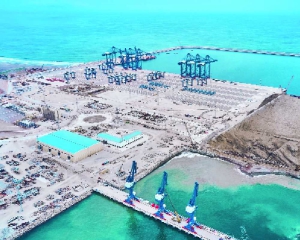
A substantial portion of the budget is allocated to infrastructure projects, including regional air connectivity, highway expansion, and railway modernisation. These initiatives will not only strengthen India’s transport network but also generate employment and spur economic activity.
Support for Startups and Small Businesses
Recognising the role of startups and micro, small, and medium enterprises (MSMEs) in economic growth, the budget introduces dedicated funds and tax exemptions to encourage entrepreneurship. These measures are expected to foster innovation, create jobs, and strengthen the country’s business ecosystem.
Despite the budget’s growth-oriented approach, several concerns need to be addressed:
Employment and Job Creation: Although the economy has shown signs of recovery, job growth remains sluggish, particularly in the informal sector.
The budget lacks a direct employment policy and does not offer substantial incentives for companies to hire more workers. The government needs to focus on manufacturing, MSMEs, and startups to create sustainable employment opportunities.
Agricultural Reforms and Rural Economy: The rural economy continues to struggle with rising distress and stagnant productivity. Despite widespread farmer protests demanding a legal guarantee for Minimum Support Price (MSP), the budget does not introduce any concrete measures to address these concerns. There is also no significant increase in allocations for employment schemes like MGNREGA, despite growing rural unemployment.
Inflation and Price Stability
With rising global oil prices and persistent supply chain disruptions, inflation remains a major concern. Higher inflation affects consumer demand and reduces the purchasing power of the middle and lower-income groups.
Fiscal Deficit and Debt Management: One of the biggest challenges in the budget is balancing fiscal deficit control while sustaining economic growth. Increased infrastructure spending has led to a higher fiscal deficit, raising concerns about long-term financial sustainability. High borrowing costs and rising interest payments could further strain public finances.
Revenue Generation and Taxation Issues: Achieving ambitious tax collection targets, particularly through GST, could be difficult amid global economic uncertainties. Additionally, privatisation plans have repeatedly fallen short of expectations. The absence of a clear roadmap for asset monetisation raises questions about the government’s ability to manage debt repayment.
Social Sector Spending
Despite its emphasis on infrastructure and tax relief, the budget fails to allocate sufficient funds to critical sectors such as health and education. Healthcare spending remains below 3 per cent of GDP, which is inadequate to bridge existing gaps in public healthcare infrastructure.
While digital learning initiatives have been introduced, there is no significant push to improve rural schools or recruit more teachers.
Private Investment Encouraging private sector investment is essential for sustained economic growth. However, the budget does not introduce substantial policy measures to attract both domestic and foreign capital.
State Finances and Federalism: Several states are facing financial distress and are demanding higher devolution of funds. Striking a balance between fiscal transfers and responsible financial management remains a major policy challenge for the central government.
Global Economic Slowdown
With geopolitical tensions and ongoing supply chain disruptions, export-driven sectors face significant risks. Strengthening domestic demand and securing trade partnerships will be vital in navigating these external uncertainties.
Conclusion
The Union Budget 2025-26 reflects a commitment to growth, fiscal stability, and economic resilience. However, it must address critical issues such as employment generation, rural distress, and social sector spending to ensure balanced and inclusive growth.
(The writer is a senior political analyst; views are personal)