In an era marked by technological acceleration and cultural fluidity, film festivals serve as vital spaces of connection and creation. They are where artistic vision finds commercial grounding and where the business of cinema becomes inseparable from the soul of storytelling.
The 3C’s mantra that defines the film festival ecosystem — Creativity, Culture, and Commerce — has become the cornerstone of a global cinematic renaissance. Today, film festivals are not just glamorous red-carpet affairs or celebrity-driven events; they are transformative platforms unlocking new opportunities for content creation, cross-cultural collaboration, global networking, strategic partnerships, and narrative innovation. In short, they are the modern-day crucibles where storytelling meets strategy.
From Cannes to Berlin, Venice to IFFI, Locarno to Sundance, film festivals have evolved into sophisticated arenas that redefine cinematic expression.
They are reshaping the celluloid experience through experiential storytelling, sustainable creative roadmaps, and tech-enabled narratives that resonate across boundaries. Their evolution reflects a collective aspiration to reimagine the medium, not just in how films are made, but in how they are shared, discussed, and remembered.
The world’s most celebrated film festivals have retained their traditional flavour while courageously stepping into new territory.
The Cannes Film Festival, for instance, remains a symbol of glamour, yet now actively promotes ecological awareness and inclusivity through programs like the “Cinema for the Climate†section. Similarly, the Venice Biennale embraces innovation through its Virtual Reality section, while TIFF (Toronto International Film Festival) has become known for elevating social-issue films into the awards circuit. These examples highlight how the 3C’s are no longer abstract ideals; they are tangible, operational principles shaping programming and policy.
The unified objective is clear: visualise the future of cinema through the lens of commercial viability, cutting-edge technology, and artistic innovation. And festivals, in balancing these objectives, are becoming incubators of excellence, where ideas are born, refined, and launched into the world.
Film markets are an integral part of this new cinematic landscape. Events such as Marché du Film at Cannes and Film Bazaar at IFFI serve as value-creation platforms where creativity meets investment. These markets offer a single — window ecosystem for distributors, producers, and emerging talent to forge deals, secure financing, and explore global collaborations.
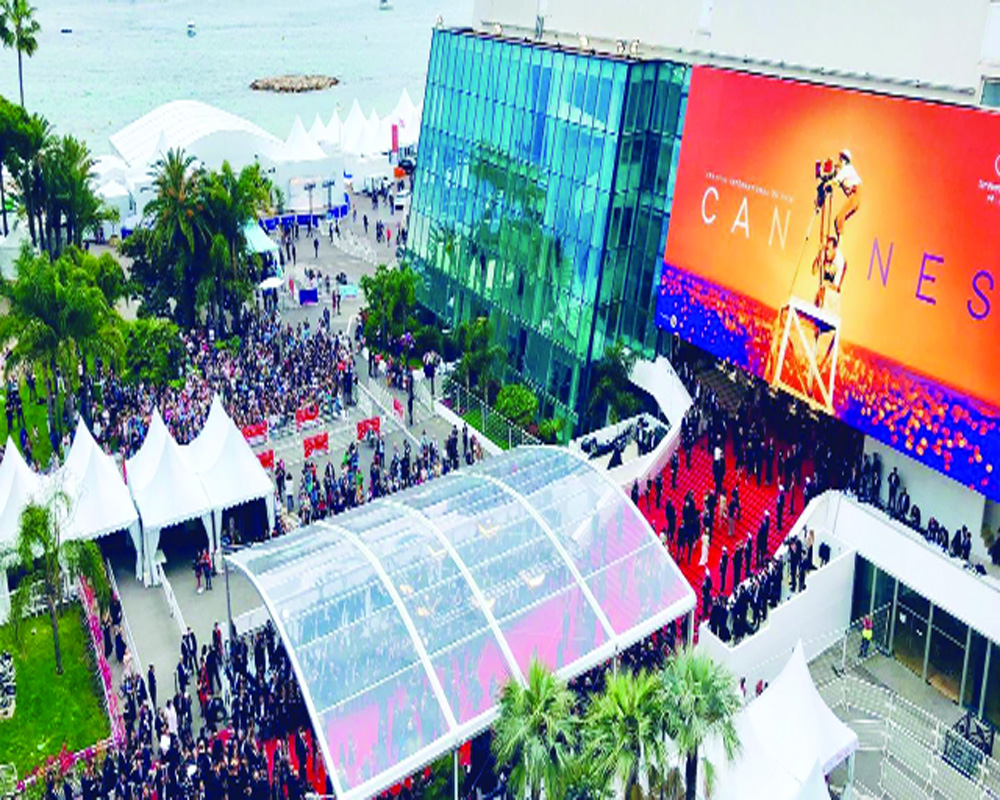
You could feel this unfolding in real-time at Cannes 2025. The atmosphere wasn’t just about premieres; it was about presence, about ideas landing with impact.
Mission Impossible: The Final Reckoning opened to packed houses, but it wasn’t just a franchise flex anymore. There was something more grounded beneath the action, a sense of purpose, and the co-production buzz around it was loud, American spectacle meeting European strategy. And then there was Homebound, that small, aching film about displacement and the idea of home, which left people silent after the credits. It was the kind of film that didn’t shout but stayed.
Meanwhile, the Marché du Film pulsed like its own beating heart. Pavilions were fuller; deals more layered. Conversations spanned multilingual co-productions, AI-led storyboarding, and even climate-conscious filmmaking.
It wasn’t transactional; it was transformative. Countries like India, South Korea, and Nigeria didn’t just showcase films; they showed up with vision, and with intent. Cannes 2025 made one thing abundantly clear: creativity doesn’t get diluted by commerce, it grows because of it. And culture? Culture was the thread running through it all, holding it together, making it matter.
Today’s commercial landscape at festivals is populated by accredited agents, pavilions, exhibitors, and stakeholders who are not just selling films; they’re shaping the business of storytelling. Co-production deals, project financing, distribution arrangements, and IP partnerships are negotiated in these spaces, affirming the financial architecture of the festival ecosystem.
Notably, the commercial value of festivals is no longer transactional but transformational. They’re redefining how cinema is monetised and how stories are positioned globally. In the age of OTT, film festivals have also become spaces for digital content negotiations, IP marketing, and branded storytelling ventures. Each global festival has carved a distinct identity. While Cannes stands for glamour and auteur prestige, Berlinale champions political cinema, and Locarno thrives on experimentation. These brands have emerged from consistent visual language, storytelling themes, fashion statements, and strategic stakeholder engagement.
In this ecosystem, branding is not just about logos or campaigns; it’s about shaping a cinematic culture. It’s the deliberate interplay of Creativity, Culture, Content, and Consistency, the 4Cs of festival branding. The buzz, the arc lights, the curated installations, and even the architectural design of venues contribute to the festival’s emotional and cultural memory.
India’s growing role in the global cinematic discourse is exemplified by the Bharat Pavilion at Cannes, designed by the National Institute of Design, Ahmedabad.
Titled The Sutradhara, or storyteller, it reflects India’s fusion of tradition and innovation. With its 2024 theme, Create in India, the Pavilion spotlighted India’s vibrant cinematic heritage, technological readiness, and openness to global partnerships. More than just a national representation, the Bharat Pavilion has become a diplomatic and cultural bridge; connecting India’s storytellers with producers, buyers, critics, and policymakers from across the world. It’s a space where artistry meets policy, and where culture is leveraged for creative diplomacy.
The Bharat Parv, an integral part of the Pavilion experience, adds a further dimension to celebrating Indian cuisine, music, craftsmanship, and diversity. This new format of global storytelling mirrors the idea of Vasudhaiva Kutumbakam: the world as one family. And importantly, it sends a clear message: India is not just a content provider, it’s a creative force and co-production hub.
Film festivals today function as living ecosystems, nurturing voices, encouraging risk-taking, and building transnational communities. Their role in shaping public perception, fostering policy discourse, and enabling commercial success is more relevant than ever.
Whether it was Cannes’ “Cinema for the Climate,†Venice’s Virtual Reality section, or IFFI’s mainstream-indie convergence, the new festival circuit is breaking boundaries with purpose. It’s showcasing new cinematic languages, driven by talent, diversity, and digital disruption. As the film festival landscape continues to evolve, the 3C’s — Creativity, Culture, and Commerce — remain the North Star.
With countries like India building immersive, multi-stakeholder pavilions and enabling co-creation through policy and soft power, the red carpet is no longer just about glitz; it’s about vision, value, voice, and who gets to tell the next global story.
(The writer is former Civil Servant, writes on Cinema and Strategic Communication. Views are personal. Inputs provided by Zoya Ahmad and Vaishnavie Srinivasan)