Every year, September 26 is observed as World Environmental Health Day, serving as a reminder of the strong link between the environment we inhabit and the health we enjoy. The theme for this year, “Clean Air, Healthy People”, is particularly pertinent for India, a country with some of the most polluted cities in the world. As the nation strives towards its ambitious goal of becoming a developed country by 2047, environmental health — especially air quality — presents both a challenge and an opportunity. Tackling air pollution is not only about achieving clearer skies; it also involves protecting public health, supporting livestock and agriculture, conserving natural resources, and ensuring that the country’s economic and developmental goals remain within reach.
World Environmental Health Day was initially observed in 2011 following its initiation by the International Federation of Environmental Health (IFEH). Since that time, it has served as an international platform to highlight critical issues such as water quality, food safety, sanitation, and, more recently, the pressing crises of air pollution and climate change. The day serves as a moment to recognise the quiet but critical contributions of environmental health professionals, who work tirelessly to prevent disease and promote healthier living environments. In 2025, the 15th yearly recognition of this day arrives when India’s struggle against contaminated air has turned into a crucial public health and development concern.
India today bears the ignominious distinction of hosting the majority of the world’s most polluted cities. The World Air Quality Report 2024, released by Swiss company IQAir, ranked India as the 5th most polluted country globally. Delhi frequently dominates the news for its dangerous smog, particularly during the winter season, when a harmful mix of vehicle exhaust, industrial waste, crop burning, and construction dust envelops the city. In November 2023, for example, Delhi’s Air Quality Index (AQI) exceeded 450 on multiple days — levels categorised as “severe” and “hazardous” to human health. Cities such as Kanpur, Lucknow, Ghaziabad, and Patna often show air quality levels significantly exceeding safe limits, endangering millions daily. The issue extends beyond large cities; smaller urban areas are similarly facing increasing pollution from unregulated industrial zones and the growth of vehicles.
The effects on health caused by this toxic air are overwhelming. The Lancet Commission on Pollution and Health stated that air pollution caused almost 1.6 million early deaths in India in 2019, designating it as the primary environmental risk factor for mortality. Children are especially at risk, with increasing instances of asthma, bronchitis, and hindered lung growth noted in city schools. Adults encounter heightened risks of heart disease, stroke, lung cancer, and even cognitive decline associated with prolonged exposure. In addition to human health, air pollution impacts livestock and farming. Animals exposed to elevated levels of particulate matter experience respiratory issues and lower milk production. Ground-level ozone, a result of air pollution, endangers crop yields by disrupting photosynthesis and inhibiting plant growth. Air pollution also carries a heavy economic burden for India. Estimates suggest annual losses between $95 billion and $150 billion, equivalent to nearly 3 per cent of the country’s GDP. These losses stem from multiple factors — declining labour productivity, higher healthcare costs from pollution-related diseases, and reduced economic output due to premature deaths.
This crisis is rooted in a complicated network of factors. Swift urban growth and industrial development, along with weak enforcement of environmental laws, have transformed Indian cities into pollution hotspots. Vehicle emissions continue to be the primary cause, worsened by the rapid increase in private cars and insufficient public transportation. Coal-fired thermal power stations and brick manufacturing facilities discharge significant quantities of pollutants, whereas construction work generates dust that remains airborne. Seasonal stubble burning in regions such as Punjab and Haryana contributes to the winter smog in Delhi. The use of biomass for cooking in rural and peri-urban households remains a quiet yet considerable factor in both indoor and outdoor air pollution. Collectively, these elements form an air pollution emergency that resists immediate solutions.
Public awareness is crucial in tackling this issue. Although government regulations and technological solutions are essential, the behaviour of citizens can determine their effectiveness. Initiatives like the “Odd-Even” vehicle restriction in Delhi or the encouragement of cleaner LPG cooking fuel through the Pradhan Mantri Ujjwala Yojana demonstrate that with active public involvement, significant progress can be achieved. Regrettably, understanding of the health effects of pollution is still limited in numerous communities, resulting in delayed actions. For example, the implementation of masks on high smog days or routine air quality assessments in educational institutions and workplaces remains infrequent. Enhancing environmental health literacy is crucial to fostering demand for cleaner policies and responsible living.
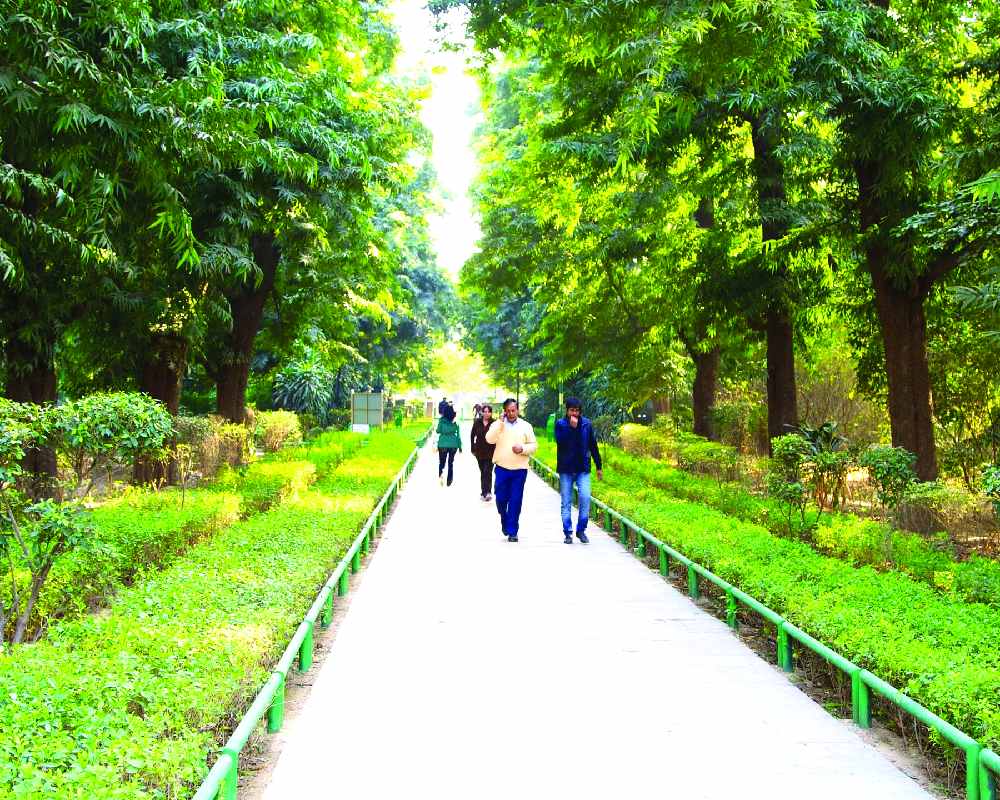
Acknowledging the magnitude of the issue, India has implemented various laws and initiatives to address air pollution. The Air (Prevention and Control of Pollution) Act, enacted in 1981, established the basis for overseeing industrial emissions. The Environmental Protection Act of 1986 granted the government extensive authority to safeguard environmental quality. Recently, the National Clean Air Programme (NCAP), which started in 2019, seeks to lower particulate matter levels by 20-30 per cent across 131 cities by 2024. The Commission for Air Quality Management (CAQM) was also set up in 2021 to oversee pollution control in the National Capital Region and surrounding states. Policies promoting electric vehicles, renewable energy, and stricter emission norms for industries and vehicles reflect India’s commitment to tackling the crisis. Still, considerable voids persist. The application of regulations varies, and penalties for offenders are frequently insufficient to discourage repeat violations. Collaboration among state governments — essential during the stubble burning period — is often hindered by political disagreements. Public transport systems are unable to keep pace with urban expansion, leading to reliance on personal cars. Open-air waste burning remains unregulated in numerous cities. The NCAP has faced criticism for insufficient funding and the absence of effective monitoring systems. Lacking strong political will, sufficient funding, and community involvement, these initiatives may fail to meet their ambitious goals. To address these challenges, India requires a thorough and multifaceted action strategy. Air quality monitoring should be significantly improved, providing real-time data accessible to the public in all cities and towns. Secondly, it is crucial to enhance the enforcement of emission regulations for industries, power facilities, and vehicles, reinforced by clear audits and substantial fines for non-compliance. Cities need to make substantial investments in sustainable public transportation systems, such as metro networks, electric buses, and secure cycling facilities, to lessen dependence on private vehicles. Fourth, agricultural policies need to assist farmers in embracing alternatives to stubble burning, including mechanised residue management and diversifying crops. Fifth, city planning should emphasise green areas that serve as natural air purifiers and guarantee that building projects adhere to dust-management regulations. Sixth, awareness campaigns should be expanded to target not only urban elites but also rural families, as indoor air pollution continues to pose a serious threat.
The action plan must also incorporate air quality objectives into larger national development strategies. Pure air is essential, not a luxury, for realising Viksit Bharat 2047. By neglecting air pollution, India faces the potential loss of millions of productive life years, increasing healthcare challenges, and reduced agricultural output-all of which directly impede economic development. A contaminated environment weakens the basis of development, establishing a harmful cycle in which health deficits diminish labour productivity and economic capability.
It is high time to consider the critical nature of our air pollution dilemma, appreciate the initiatives underway, and, crucially, identify the shortcomings that persist. Pure air must be regarded as a basic right, inherently linked to the right to live as stated in our Constitution. Safeguarding it necessitates a unified dedication from policymakers, industries, communities, and individuals. On this year’s World Environmental Health Day, let us remind ourselves that development and clean air are not mutually exclusive. Conversely, a healthier environment is the essential basis of sustainable development. For India, addressing the air pollution issue goes beyond clearer skies; it involves healthier people, more robust livestock and agriculture, resilient natural resources, and a thriving economy. It is only then that the dream of a developed India by 2047 can genuinely materialise.
Satendra Singh is former Executive Director of the National Institute of Disaster Management and Tanushree is Doctoral Fellow, Amity University