




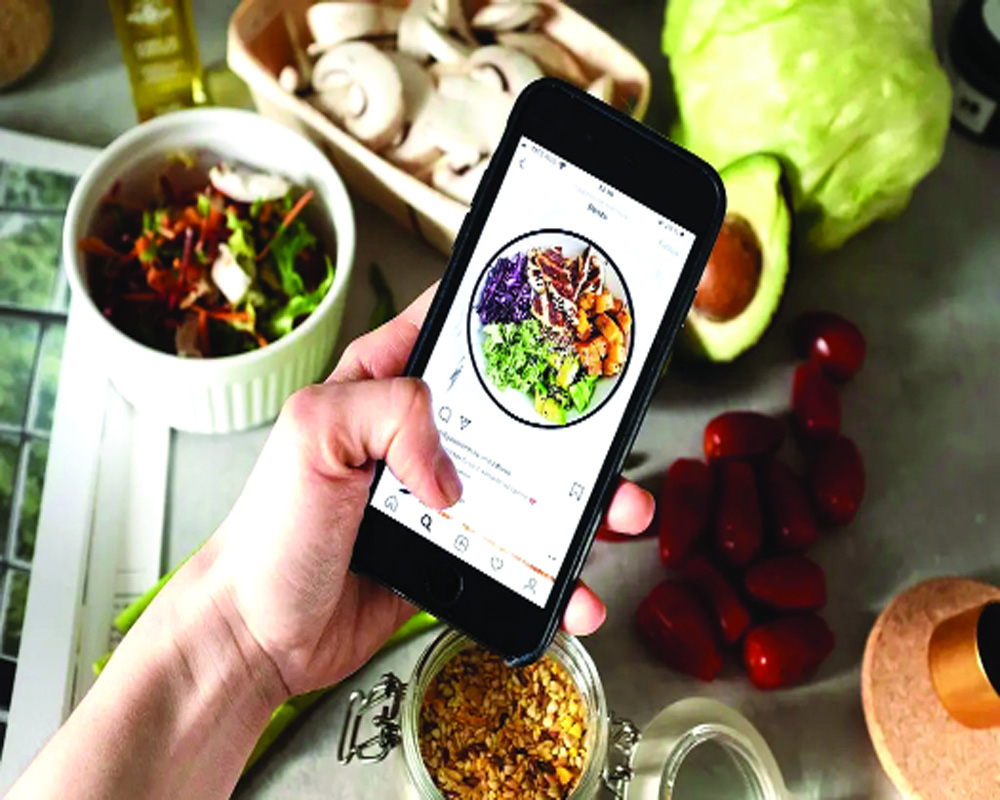
From fitness trainers to influencers, everyone seems to have the ‘ultimate’ nutrition hack, leaving audiences overwhelmed and anxious about every bite they take
A quick scroll through social media reveals a chaotic world of conflicting nutritional advice. One reel vilifies carbs, another champion gluten-free living, and yet another insists on the life-altering power of soaked almonds blessed by Himalayan monks. It’s a universe where everyone - fitness trainers, and fashion influencers – seems to be a certified nutritionist, armed with exclusive knowledge about what’s harmful and what is crucial to live to 150. This constant influx of contradictory information creates a sense of overwhelm, leaving viewers unsure of where to turn to for reliable guidance.
Coffee, once lauded as a metabolism booster, is now condemned as a gut-destroying cortisol spike. Eggs are alternately hailed as a perfect protein source and demonized for their cholesterol content. Dairy is both essential for bone health and the root of all inflammation. Ghee is evil and the enricher!
This dietary confusion is further amplified by the ongoing debate between naturopathy and allopathy.
One side advocates for self-healing though turmeric, various morning concoctions to be taken empty-stomach, sunlight and avoidance of processed foods and the other champions the pills and supplements. Reels trap viewers between these camps , leaving them questioning every health decision. One moment, popping a pill seems like a capitalist scam; the next, viewers are googling “is vitamin deficiency reversible?†because, well, another reel.
The ultimate transformation reel that often promotes a plant-based diet as the sole escape from the “horrors†of the modern food industry, citing concern about chemicals and hormones in meat and dairy. However, another reel quickly counters this narrative, claiming even vegetables are laden with harmful substances.
The result? A state of constant food paranoia, even with food choices scrutinized and mealtimes transformed into occasions of anxiety. The joy of eating is replaced by the fear of consuming the “wrong†thing. This fear-mongering around food choices can lead to disordered eating patterns and an unhealthy obsession with “clean-eatingâ€.
The reality is that the human body is complex, and nutrition is not one-size-fits-all. A diet that works for a social media influencer (backed by a team of professionals and image-enhancing tools) may not be suitable for everyone. Individual needs, genetic predispositions, and lifestyle factors all play a role in determining optimal nutrition. Instead of blindly following a diet fad, it’s vital to listen to your own body and consult qualified healthcare professionals or your family doctor before making drastic dietary changes. If a reel references a study without providing details, it needs to be taken with a grain of salt. Food should be nourishing and enjoyable, not a source of stress. While mindful eating is important, social media shouldn’t dictate every dietary decision.
One needs to trust one’s gut (literally and figuratively), enjoy food in moderation, and perhaps consider muting influencers whose dramatic pronouncements create unnecessary anxiety. After all, balanced nutrition is about making informed choices based on credible information, not succumbing to the latest viral trend.
(The writer is a Dubai-based author, and organises literature festivals and workshops; views are personal)