Leading medical experts from across the country gathered here for a one-day national meeting to spotlight one of India’s most pressing but neglected health concerns: arthritis. The event, jointly organised by the Department of Rheumatology, AIIMS Delhi and the Center for Rheumatic Diseases (CRD), Pune, brought together rheumatologists, public health professionals, community medicine specialists, Ayurveda physicians and postgraduate students to deliberate on the real-world burden of rheumatic pain and arthritis in India and chart a path forward.
The meeting presented findings from the largest-ever multi-site community survey conducted under the WHO COPCORD (Community Oriented Program for Control of Rheumatic Diseases) model. Covering more than 56,000 people across rural and urban India, the study revealed staggering numbers: 195.29 million Indians or one in six suffer from arthritis-related pains, with women accounting for nearly two-thirds of the total burden. This was recently published in the International Journal of Rheumatic Diseases (Mar 2025 online).
Dr Arvind Chopra, Director and Chief Rheumatologist at CRD Pune and principal investigator of the COPCORD India Project since 1996, emphasised the urgency of the issue, saying, “Arthritis is often dismissed as an inevitable part of ageing, but our data proves otherwise. “Lifestyle and metabolic factors like obesity, diabetes and hypertension are fuelling this epidemic. These are several other risk factors like infections, tobacco use, and injuries that are amenable to prevention and control,” he said.
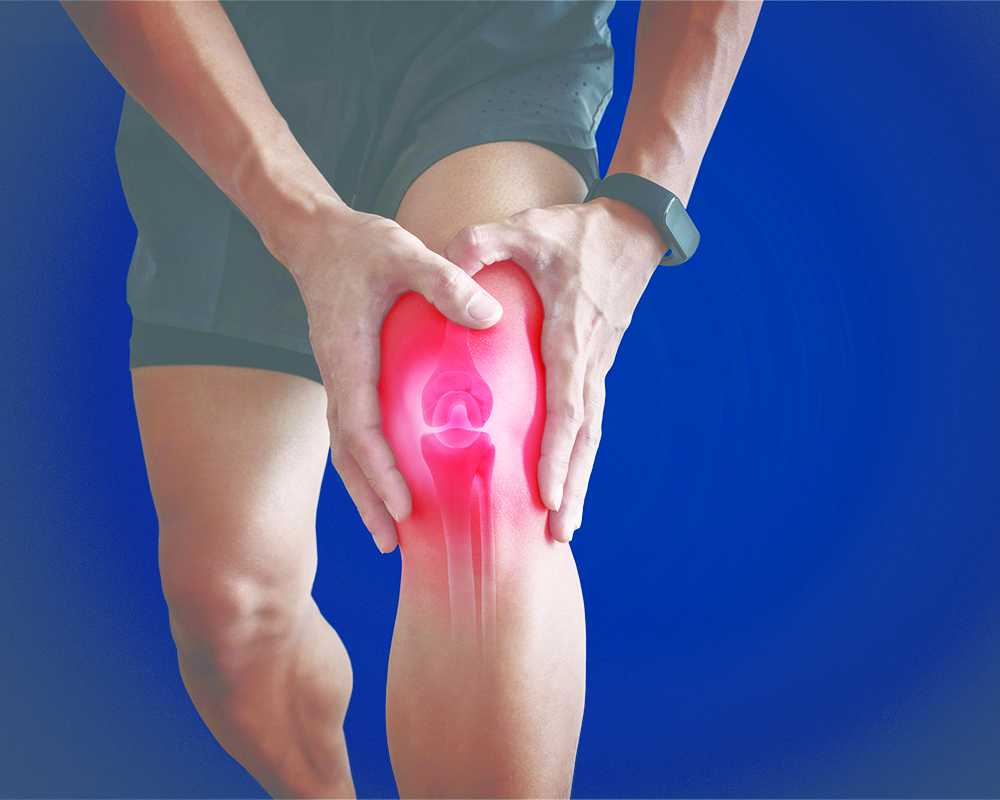
As per the survey, arthritis pains emerged as the most common self-reported illness in Indian communities, surpassing diabetes and hypertension. The data further showed that more than 54.44 million Indians live with osteoarthritis, often linked with obesity, diabetes and hypertension, while 4.22 million suffer from rheumatoid arthritis (RA), a crippling condition that can lead to several systemic complications, severe disability and even premature heart attacks and death. Particularly concerning, over 1.17 million young women of reproductive age are estimated to be living with RA, a prevalence significantly higher than global averages.