Bengali cuisine holds a deep and emotional connection with non-vegetarian food, woven intricately into the very fabric of its culture and traditions. Unlike many other Indian cuisines, where vegetarian dishes often take centre stage, Bengalis have historically celebrated an extraordinary love for fish, meat, and seafood.
Yet, vegetarian dishes, too, are an essential and cherished part of the daily Bengali menu, offering balance and comfort. In fact, every Bengali meal, be it at home or on celebrations start with vegetarian preparations like bhajas, sukto, dal, etc, which are then followed by the Bengali’s favourite non-vegetarian offerings.
Fish, especially, is revered — there’s a saying in Bengal: Maachhe Bhaate Bangali (Bengalis are made of fish and rice). From preparations like Shorshe Ilish (Hilsa in mustard gravy) to hearty Macher Jhol (light fish curry) and Paturi (fish steamed in banana leaves), fish is not just sustenance, but an emotional and personal experience often linked with festivities, seasons and the lovely family memories.
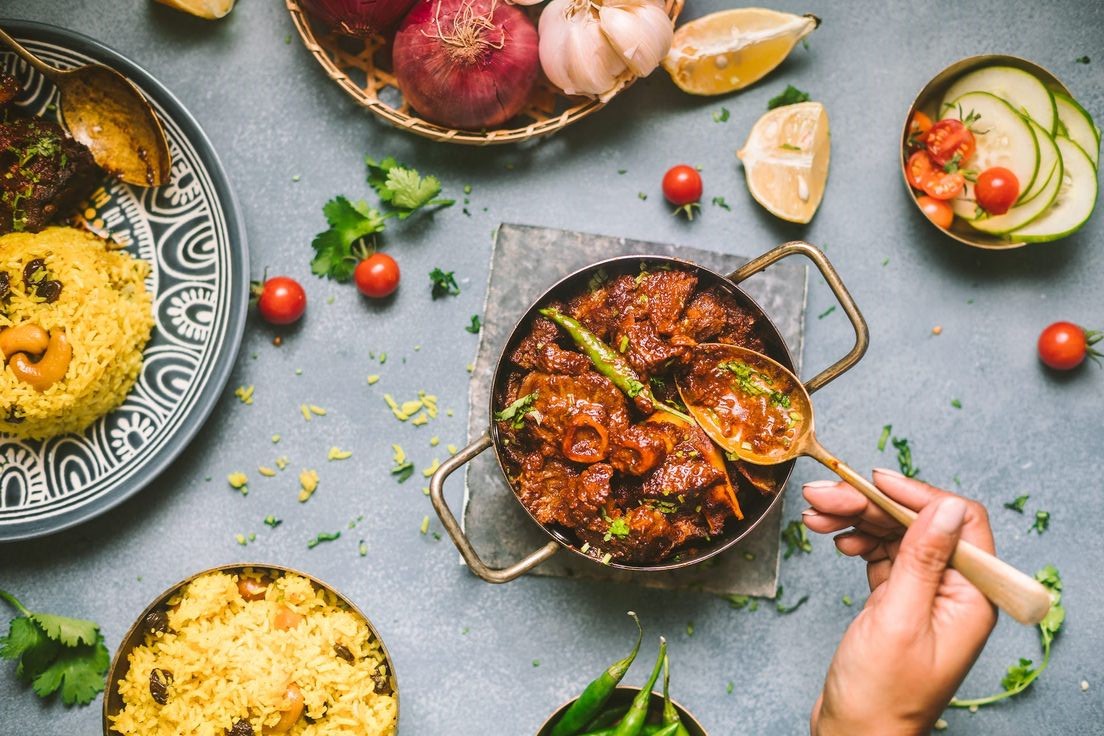
Beyond the fish, Bengali cuisine boasts a remarkable variety of non-vegetarian dishes featuring mutton, chicken, prawns, and crabs. Dishes like Kosha Mangsho that is the slow-cooked spicy mutton curry, Chingri Malai Curry that has prawns in coconut gravy, and Dim’er Dalna (egg curry) showcase their love for rich and flavourful spicy preparations.
This deep-rooted connection is also historical: Bengal’s riverine geography, fertile land, and coastal stretch naturally led to an abundance of fish and fresh produce. Over centuries, influences from Mughal, British, Portuguese, and Nawabi cuisines further enriched the meat dishes.
It is this legacy — full of flavour that makes Bengali non-vegetarian cuisine an heirloom passed down through generations.
— The author is a Celebrity Chef from Mumbai