War ends, but cheaper fuel will take more time
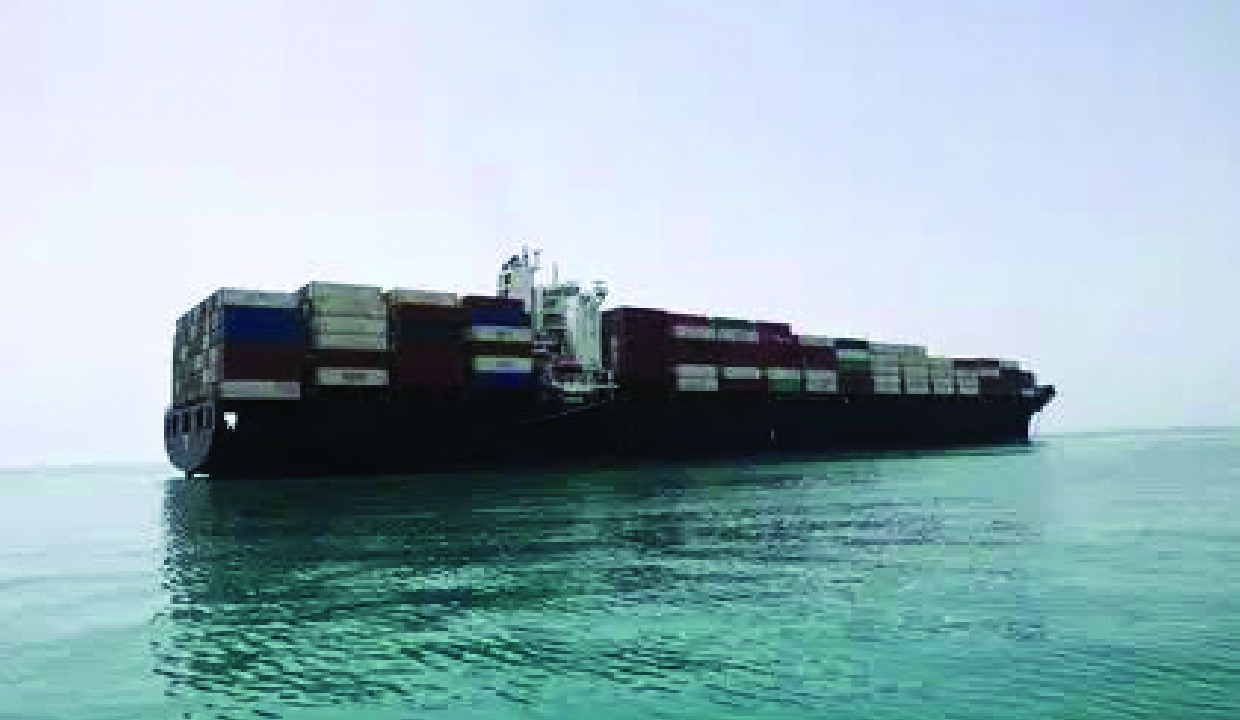
With the Strait of Hormuz finally reopening after a US–Iran deal eased immediate supply worries, the real question for common Indians is simple: will this actually bring cheaper petrol, diesel, and LPG cylinders to our homes? The answer is: not yet. The maritime traffic in the Strait of Hormuz might take months or years to return to pre-war levels. Apprehensions stem from fast-changing, uncertain and fluid geopolitical uncertainties still persisting. Given the mistrust between Iran and the USA despite the pact and Israel continuing a tough stance, the reopening of the Hormuz on Friday hangs in the balance.
Stock markets in India and globally may have zoomed on Monday after Trump’s statement. But the implementation of the finer details of the pact poses the biggest challenge. Therefore, common people will have to wait for months or more before a clear picture emerges.
Experts believe that while lower crude oil prices may improve the economics for Oil Marketing Companies (OMCs), consumers may not immediately benefit from lower fuel prices. The Government may choose to maintain current retail fuel prices for some time. The Government didn’t pass on the full impact of the energy price increase to consumers. They may hold prices at current levels to allow oil marketing companies to recover some of the losses before reducing prices.
After the announcement of the deal, Oil prices dropped on news of the ceasefire. Price of Brent crude, the global benchmark for oil, fell 4 per cent, to around $84 a barrel as traders anticipated the return of energy supplies through one of the world’s most important maritime corridors. A fall in global crude oil prices does not immediately mean lower prices at Indian petrol pumps. The outlook for LPG prices also points towards selective relief rather than a broad reduction.
While the agreement has eased immediate fears, significant questions remain about how and when normal shipping activity can resume in the strait.
Meanwhile, Indian LNG carrier Disha has safely transited through the Strait of Hormuz — the first Indian flagged LNG carrying vessel to exit the war zone in more than three months. Disha, managed by a Shipping Corporation of India-led consortium, is carrying 62,370 metric tonnes of LNG cargo, a Shipping Ministry official said on Monday.
A normalisation of traffic through Hormuz would also provide relief to policymakers. Reduced geopolitical risk in the Gulf would give the government greater flexibility in managing energy and economic policy, containing inflation, and maintaining fiscal discipline. The benefits could be particularly significant for sectors such as aviation, petrochemicals, fertilisers, shipping and logistics, all of which are highly sensitive to energy costs.
India imports more than 85 per cent of its crude oil needs. If the ceasefire holds and shipping through Hormuz returns to normal, lower oil and gas prices could ease pressure on consumers, reduce fuel-related inflation and improve the overall economic outlook in the coming months.
Post assembly elections, petrol and diesel prices were raised by about Rs 7.50 per litre each, while CNG rates were up Rs 6 per kg. LPG prices too were increased by Rs 89 per 14.2-kg cylinder in two instalments. Notwithstanding the price increase, state-owned oil companies continue to lose about Rs 650 crore per day as retail rates lag cost. With oil prices easing and the reopening of the Strait, these will gradually come down, industry sources and analysts said.
Pre-war, India imported more than 88 per cent of its crude oil requirements, with half of it being sourced from Gulf producers whose exports transit through Hormuz. It was 60 per cent import dependent to meet LPG needs, 90 per cent of which came through the strait. The country depended on imports to meet half of its natural gas needs, of which 65 per cent came from countries like Qatar and the UAE.