4 waterlogging-hotspot underpasses stay open amid rain; PWD minister reviews operations
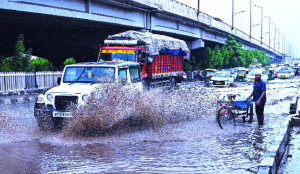
Minto Bridge, Zakhira, Dhaula Kuan, and Moolchand, four Delhi underpasses historically associated with severe waterlogging during heavy rain, remained open with traffic moving smoothly on Wednesday and Thursday.
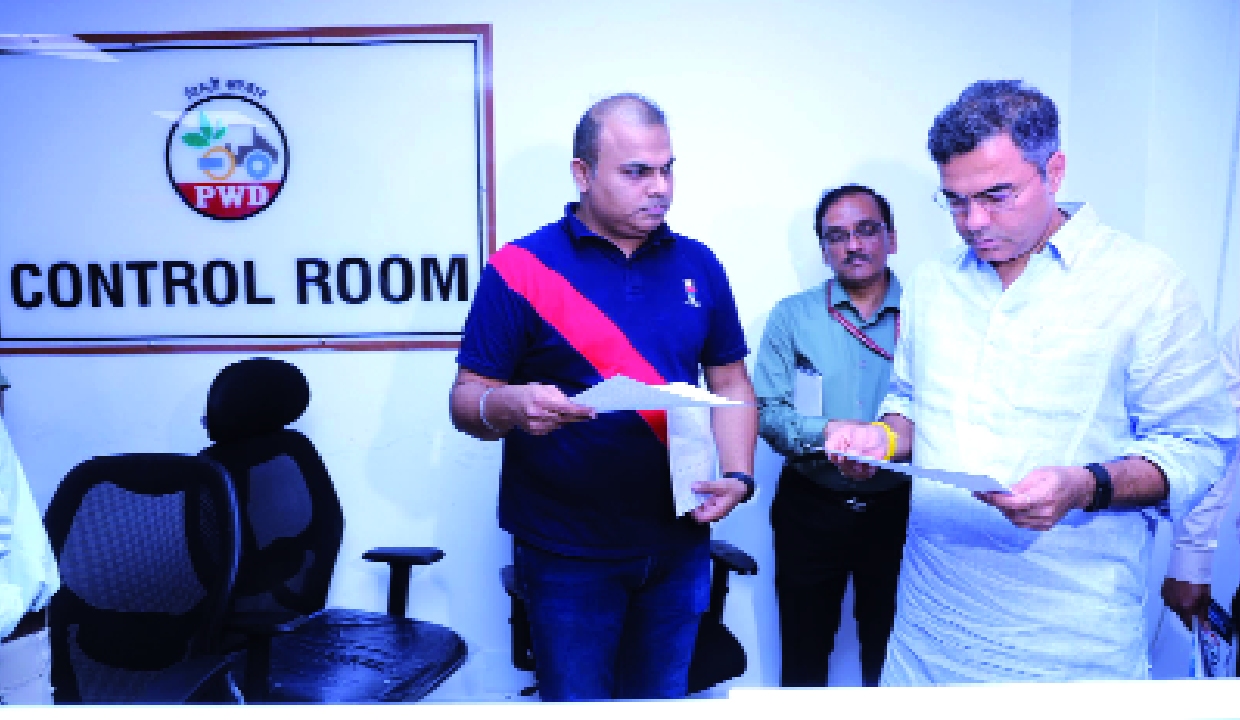
However, parts of the city recorded over 100 mm of rainfall in 24 hours. The PWD Minister Parvesh Sahib Singh reviewed live operations from the department’s 24x7 Monsoon Control Room and said that during the last 48 hours, approximately 120 public calls were received and most waterlogging was cleared within 15 to 30 minutes.
Singh reviewed the situation from the control room, where officials monitored live CCTV feeds and coordinated field operations. He was informed that the PWD has identified 45 waterlogging-prone locations across the city, all under continuous surveillance through 179 CCTV cameras connected to the central control room.
The department has deployed 754 permanent pumps at 167 locations and 305 temporary pumps at 273 locations across Delhi. Engineering teams, machinery, and emergency staff remain on standby throughout the monsoon season.
The control room is staffed round the clock with Assistant Engineers who receive complaints through three channels: the toll-free helpline 1908, the control room number 011-23490323, and a WhatsApp Chatbot at 8130188222. All complaints received are forwarded immediately to the concerned Executive Engineer, Assistant Engineer, and field staff for action.
Officials told the minister that parts of Delhi recorded an average of approximately 100 mm in the last 24 hours, with several areas experiencing significantly heavier spells. Despite these conditions, continuous monitoring and rapid field deployment kept disruption minimal at critical locations.
Singh drew a contrast with past monsoon seasons. “There was a time when Delhiites would worry every time it rained because waterlogging meant blocked roads, stranded vehicles and hours of inconvenience. We had assured the people that this situation would change through better planning and stronger infrastructure. Today’s rainfall has shown that when preparation meets commitment, results are visible on the ground,” he said.
He attributed the performance of the four historically problematic underpasses specifically to months of advance preparation. “More than 100 mm of rainfall has been recorded in several parts of Delhi over the last 24 hours, yet locations like Minto Bridge, Zakhira, Dhaula Kuan and Moolchand, once known for severe waterlogging, have continued to function with traffic moving smoothly. This has been possible because of months of preparation and the tireless efforts of our engineers, field staff and emergency teams,” he said.
The performance of the four underpasses is significant because they have historically been the most visible symbols of Delhi’s monsoon failures. Photographs of submerged vehicles at Minto Bridge became a recurring image in media coverage of Delhi floods year after year. The Government’s claim that an additional drain constructed at Minto Bridge has permanently addressed the problem was made before the rains began, and Wednesday’s 100-plus mm rainfall provided the first significant real-world test of that claim. The underpasses staying open suggests that the infrastructure changes made over the past several months had their intended effect.