LeT commander dies after collapsing at Islamabad mosque
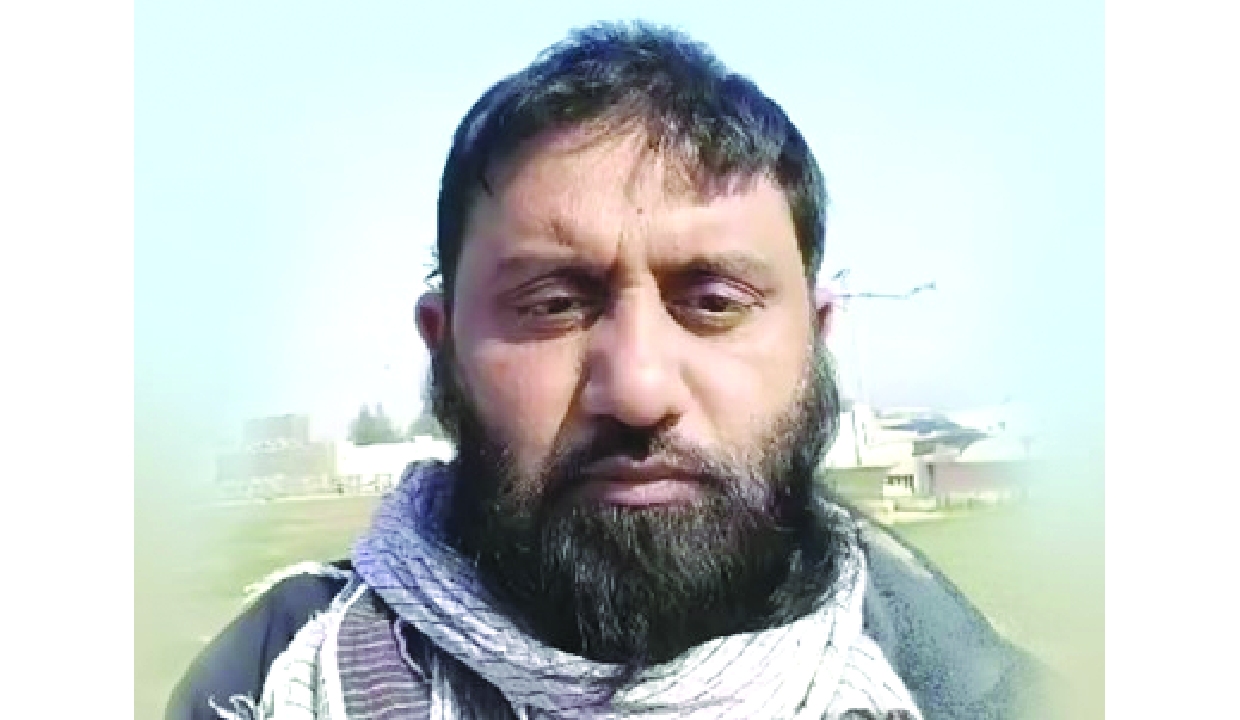
A senior commander of the Pakistan-based terrorist group Lashkar-e-Tayyiba (LeT), Qari Saeed Abdul Aziz, died after collapsing at Islamabad’s Quba Mosque. He fell ill and died shortly after eating at a restaurant he did not know, and the circumstances remain unclear.
According to several reports based on local accounts and some CCTV footage, Aziz ate at an unfamiliar place on or around Saturday, August 8, 2026. He then went to the mosque, performed ablution, and collapsed either at the gate or while taking off his slippers before entering the prayer hall.
Other members tried CPR but could not revive him. He was taken to a hospital and pronounced dead. The exact cause of death is still unknown, as there are no public autopsy results, toxicology findings, or official statements from Pakistani authorities on poisoning, natural causes, or foul play.
Aziz was not an ordinary operative in LeT. He played a central role in the group. He led the South Punjab unit of LeT’s Shoaba-e-Warasa-e-Shuhada department, which provides support and monthly pensions to families of terrorists killed in Jammu and Kashmir. Intelligence sources say he had been connected to LeT chief Hafiz Saeed’s network since about 1990 and was involved in recruitment. This made him an important part of the group’s logistics and welfare operations for sending members into India.
The timing of Aziz’s death has raised more suspicion. Just days before, a video of senior LeT-linked operative Rizwan Hanif, who is described as a PoJK deputy chief involved in recruitment and infiltration, was widely shared.
In the video, Hanif admitted that over 30 Lashkar members had been killed in the past three to four years by “unknown men” or “unknown gunmen” in cities like Peshawar, Karachi, Rawalpindi, Muzaffarabad, and Rawalakot.
Hanif accused Indian intelligence agencies of using an “unknown gunman model,” though India has denied these claims in the past. This was a rare public admission of losses from someone connected to the group.
Lashkar-e-Tayyiba, which is designated by the United Nations (UN) and was responsible for the 2008 Mumbai attack that killed 166 people, has operated in Pakistan under different names like Jamaat-ud-Dawa. In recent years, there have been more reports of unexplained deaths among its members in Pakistan and PoJK. Aziz’s sudden death, especially after eating at an unfamiliar restaurant, has led to speculation about poisoning, but there is no solid evidence to confirm this or any other cause. Pakistani authorities have not released detailed public findings yet.
Qari’s mysterious death is a huge setback for LeT. A commander who supported the families of LeT operatives killed in Jammu and Kashmir died in the group’s own mosque after a normal meal, showing weakness within their ranks. Along with Hanif’s public admission of losses, it suggests ongoing pressure on the group’s mid-level members. Many of them have been kept in safe houses by the Pakistani ISI, as they fear ‘unknown gunmen’, intelligence sources said.
However, it is still unclear if rival groups, internal disputes, Pakistani security forces, or outside actors were behind it. Rumours about outside involvement spread quickly in this situation, but it is hard to know what really happened. What is clear is that another experienced LeT member is gone, and the group’s system has lost a key person.
Meanwhile, Pakistani officials have not explained the situation, so the details are still unclear. For now, this is another mysterious loss for a group that has often claimed to be untouchable, even as it quietly loses members.