Punjab grants immunity to over 10,000 drug addicts under NDPS act for rehabilitation
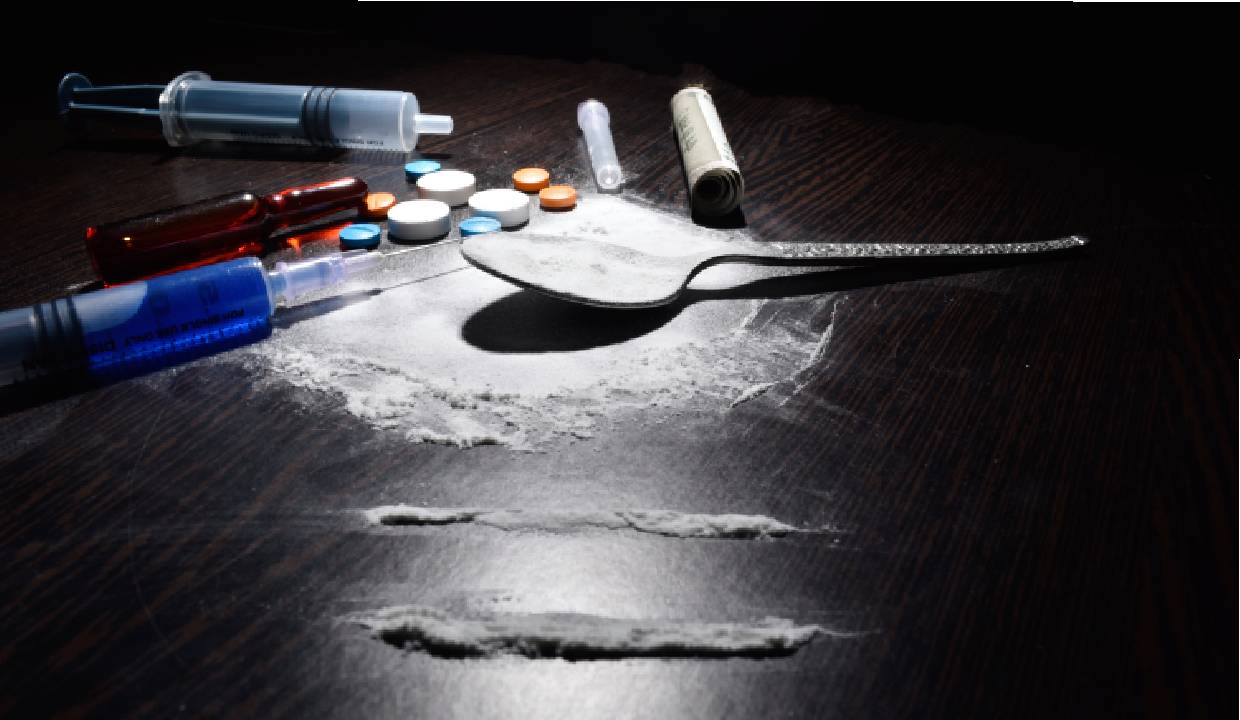
More than 10,000 drug addicts in Punjab have been granted immunity from prosecution under Section 64A of the Narcotic Drugs and Psychotropic Substances (NDPS) Act as part of the state government’s anti-drug campaign, officials said.
Under the ‘Yudh Nashean Virudh’ campaign launched in March 2025, a total of 10,656 individuals struggling with drug addiction have been shifted towards treatment and rehabilitation instead of facing legal action for consumption or possession of small quantities for personal use.
According to the Punjab government, these individuals have been admitted to government-run de-addiction and rehabilitation centres where they receive medical treatment, counselling and support for recovery.
The Punjab Police registered 51,516 FIRs under the NDPS Act and arrested 67,519 people between March 1, 2025, and July 6, 2026. Officials said the approach combines strict action against drug traffickers with rehabilitation support for people affected by addiction.
Section 64A of the NDPS Act allows drug addicts who voluntarily undergo de-addiction treatment to receive immunity from prosecution. Medical experts assess each person and prepare customised treatment plans involving detoxification, psychiatric care, counselling, behavioural therapy and relapse prevention.
Punjab Director General of Police Gaurav Yadav said the fight against drugs is not limited to arrests but also includes providing recovery opportunities to those trapped in addiction.
The state government said its anti-drug strategy focuses on two key areas: strict enforcement against drug smugglers and a compassionate rehabilitation-based approach for victims of substance abuse.
Additional Director General of Police, Anti-Narcotics Task Force, Nilabh Kishore, said identifying addicts as victims rather than criminals helps bring them back into society through timely treatment and support.
Authorities said more people will continue to be connected with de-addiction centres as part of efforts to eliminate drug abuse and protect the future of Punjab’s youth.