Why trims may be sustainable fashion’s most overlooked contributors
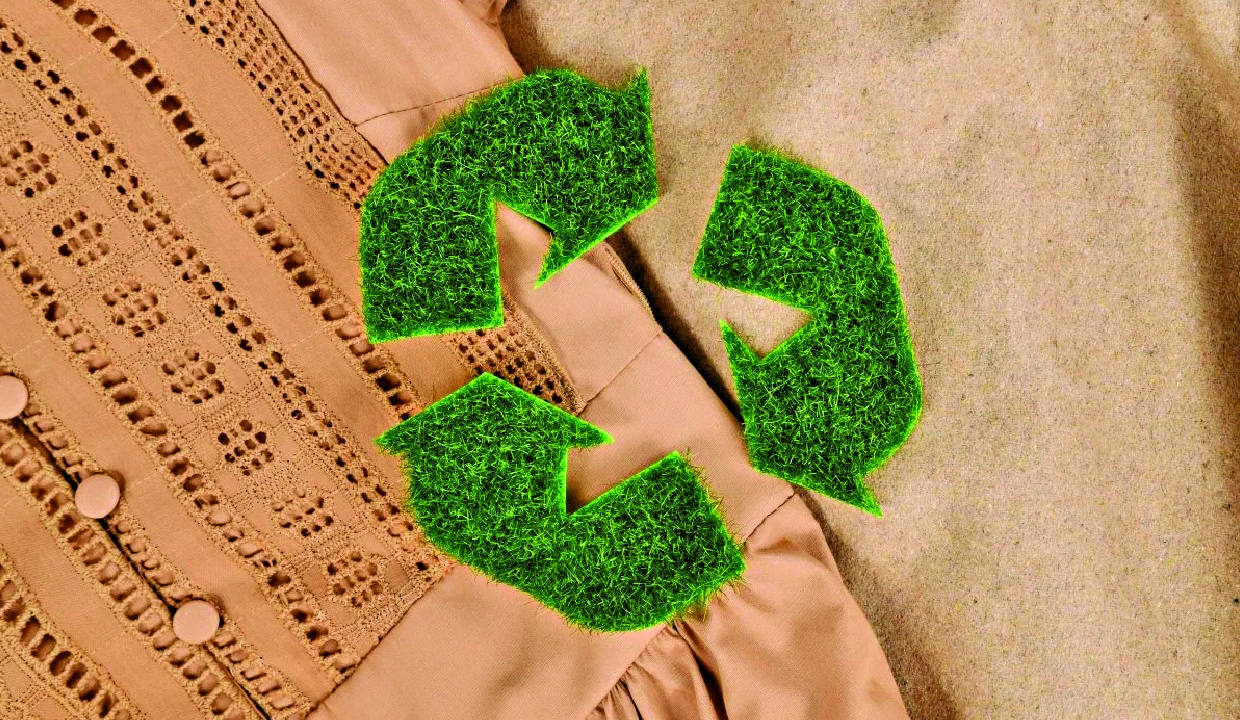
Sustainability has become fashion’s favourite conversation. Brands proudly discuss organic cotton, recycled polyester, regenerative agriculture, renewable energy, water conservation, carbon footprints and circularity. Industry conferences are filled with ambitious targets and inspiring presentations. Reports are published. Commitments are announced. Awards are presented. And meanwhile, somewhere in a garment factory, a small zipper is wondering why nobody has invited it to the discussion.
The reality is that sustainability in fashion often resembles a group photograph where everyone crowds around the fabric while the trims are accidentally cropped out of the frame.
Yet these seemingly insignificant components-buttons, zippers, sewing threads, labels, elastics, drawcords, rivets, eyelets and other trims-may have a far greater influence on a garment’s real-world sustainability than many people realise. The fashion industry has become remarkably skilled at talking about what a garment is made of. It is still learning to talk about everything attached to it. Consider a simple example. A jacket made from recycled polyester sounds like a sustainability success story. But what happens if the zipper is made from a different material, the sewing thread from another, the labels from yet another, and the decorative trims from several more? Suddenly, the garment that appeared recyclable becomes significantly more challenging to recycle at the end of its life. The fabric receives the sustainability headline. The trims quietly complicate the outcome-unless the brand consciously uses recycled-material trims, in which at least 30-50 per cent less virgin material is used.
Or consider durability. A garment may be made from an exceptionally sustainable fabric. Yet if a button falls off after a few uses or a zipper fails within months, the consumer’s relationship with that product changes immediately. The garment may be discarded, replaced or forgotten in a wardrobe. In sustainability terms, the environmental impact of a failed trim is rarely limited to the trim itself. Sometimes a ten-gram component determines the future of a five-hundred-gram garment. That is a remarkable amount of influence for something most consumers never notice.
If trims could speak, they might reasonably ask for better representation. After all, sustainability is not simply about what enters a product. It is equally about how long that product remains useful, repairable, reusable and recyclable.
And trims influence every one of those outcomes. A thoughtfully selected zipper can extend product life. A durable button can reduce replacement frequency. A repair-friendly fastening can encourage continued use. A responsibly sourced label can improve transparency. A recyclable trim can support circularity. A traceable trim can strengthen supply chain accountability.
None of these decisions generates the excitement of a revolutionary new fibre. Yet collectively, they shape the practical reality of sustainable fashion. Perhaps this is why trims remind me of yoga. When people first encounter yoga, they often focus on the visible aspects-the postures, the flexibility and the impressive poses. These receive attention because they are easy to see. What receives less attention are the quieter elements: the breath, the alignment, the awareness and the consistency of practice. Yet experienced practitioners know that these invisible factors often determine the effectiveness of the entire experience. The pose may attract attention. The breath creates transformation. Fashion sustainability faces a similar challenge. The fabric attracts attention. The details often determine performance.
Much like yoga students who eagerly attempt advanced postures while forgetting to breathe, the industry occasionally becomes fascinated by large sustainability ambitions while overlooking the smaller decisions that support them. The result can be surprisingly familiar.
An impressive sustainability claim attached to a product that is difficult to repair. A recyclable garment that cannot be efficiently recycled. A durable fabric paired with components that fail prematurely. A circularity strategy interrupted by non-circular design choices.
In other words, sustainability is holding its breath.
Yoga teaches that balance emerges when all parts of a system work together. Fashion sustainability is beginning to learn the same lesson. A garment is not a fabric with accessories. It is a system. And systems succeed or fail through the interaction of all their parts.
This perspective becomes increasingly important as brands pursue circularity. The future of sustainable fashion depends on products that generate less waste and can be easily repaired, disassembled, recycled, reused and recovered. Achieving this will require not only innovative fabrics but also thoughtfully designed trims. Can components be easily separated? Can materials be accurately identified? Can damaged parts be replaced? Can products remain functional for longer? Can end-of-life processing be made simpler? These questions often lead directly back to trims. The industry is taking cognisance of all these issues and monitoring them, but much more needs to be done. The concept is still nascent but is evolving. Ironically, the smaller the component, the easier it is to overlook. Yet sustainability repeatedly teaches the same lesson: small decisions create large consequences.
A few grams of unnecessary packaging, multiplied by millions of units, become significant waste. A more thoughtful trim specification can influence durability, recyclability and resource efficiency throughout an entire product lifecycle. The impact may be hidden. The results are not.
Perhaps the greatest opportunity lies in changing how we think about sustainability itself. For many years, sustainability has been associated with grand gestures-major innovations, transformative technologies, ambitious targets and industry-wide commitments. These remain important. But lasting progress often emerges from quieter improvements repeated consistently across systems.
Once again, yoga offers a useful reminder: lasting benefits come not from a single spectacular session but from small actions practised consistently over time. Sustainable fashion progresses in much the same way — one material choice, one design improvement, one repair-friendly feature and one responsibly sourced trim at a time. The future of fashion will require not only innovation but also attention to the details that determine whether sustainability works in practice rather than merely in theory. So, the next time sustainability conversations focus only on fabrics, spare a thought for the quiet contributors standing just outside the spotlight — the button, the zipper, the label, the thread and the elastic. While the fabric may become famous, the button may very well save the planet.
The writer is a trained Sivananda Yoga teacher; Views presented are personal.