Woman delivers quadruplets in auto; newborns die after ambulance delay
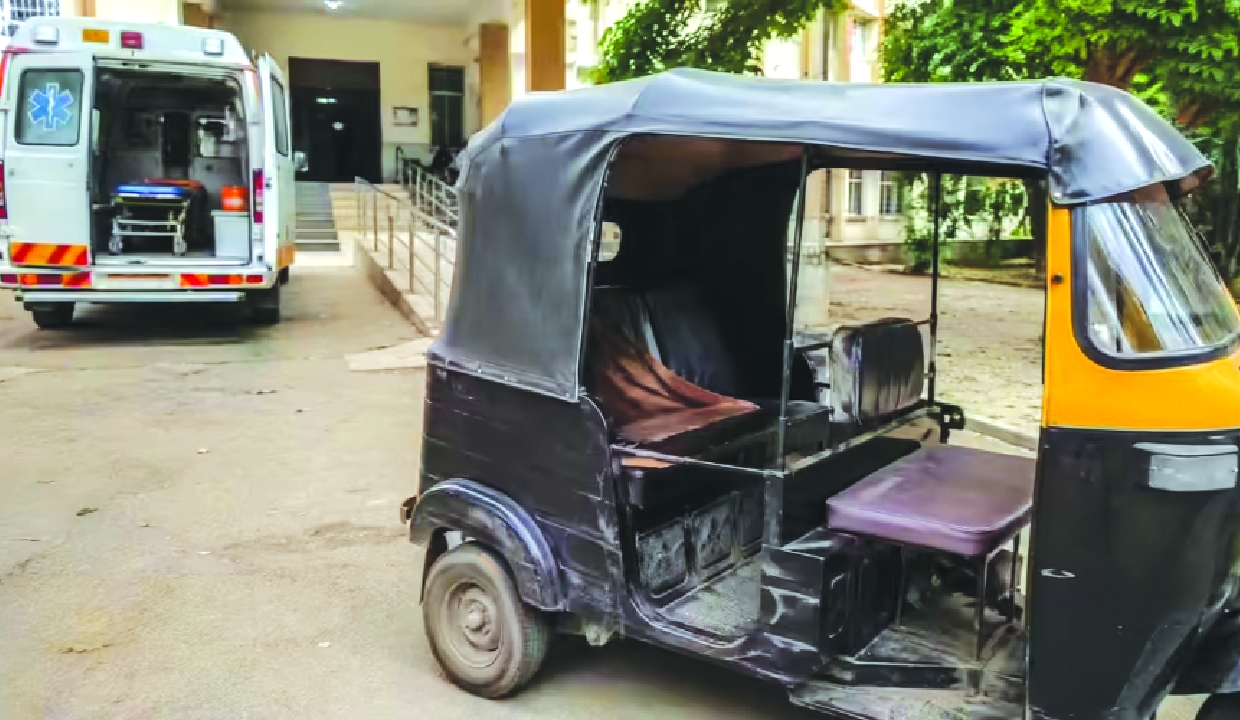
A serious lapse in Madhya Pradesh’s emergency healthcare system came under scanner after a 28-year-old woman delivered four premature babies inside an auto-rickshaw in Mandla district when a 108 ambulance allegedly failed to reach her in time. All four newborns died, while the mother survived.
The incident occurred on Tuesday in Naiganwa village, where Rajni Sindram, who was around seven months pregnant, developed severe labour pain. Her family said they immediately called the 108-ambulance service, but the vehicle did not arrive despite repeated requests for help.
With Rajni’s condition deteriorating rapidly, the family was left with no choice but to hire an auto-rickshaw and rush her to the Ghutas Primary Health Centre with the assistance of an ASHA worker. After providing initial treatment, doctors referred her to the Bichhiya Community Health Centre for specialised care.
The referral, however, came too late. Before the auto-rickshaw could reach Bichhiya, Rajni delivered four babies one after another inside the vehicle. The accompanying ASHA worker assisted the delivery under extremely difficult circumstances and ensured that the mother reached the hospital safely.
Doctors at the Bichhiya Community Health Centre examined the newborns and declared all four dead.
Bichhiya Block Medical Officer Anoop Kumar Bharatiya said Rajni was approximately 30 weeks pregnant and the babies were born prematurely.
He said the delivery had already taken place before the woman reached the hospital. The mother was given emergency treatment and her condition is now stable.
Rajni’s husband, Dhanesh Sindram, blamed the delay in the Government ambulance service for the tragedy.
“My wife was six to seven months pregnant. We had to take her to hospital in an auto-rickshaw because no ambulance was available. She delivered on the way. All four babies died, but my wife survived,” he said.
ASHA worker Manto Singram said she was informed that the family was bringing Rajni in an auto-rickshaw after labour pains started suddenly. She met them en route and helped manage the emergency delivery before they reached the hospital.
The incident has once again exposed glaring shortcomings in the state’s emergency medical response system, raising uncomfortable questions about the reliability of the 108-ambulance network.
The deaths of four newborns before they could receive medical care have intensified demands for accountability and a thorough inquiry into whether timely emergency transport could have prevented the tragedy.