Honeymoon murder: Meghalaya Govt moves SC against bail order
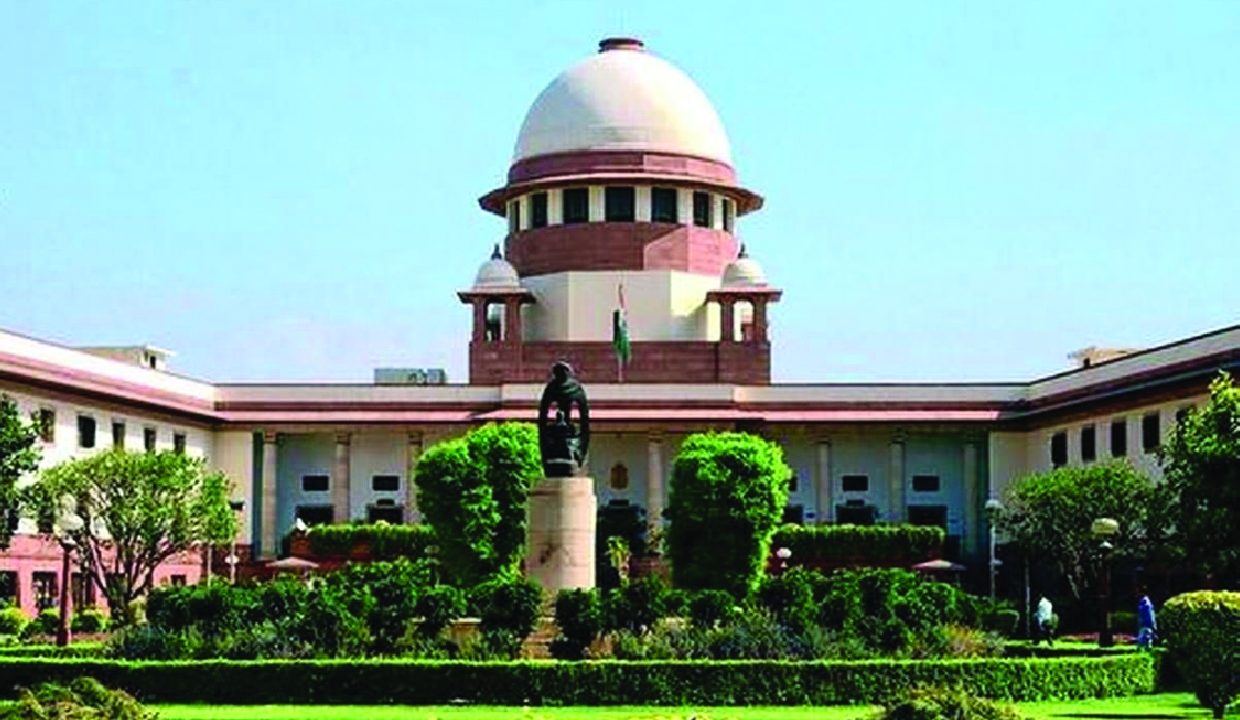
The Meghalaya Government has moved the Supreme Court against the bail granted to Sonam Raghuvanshi, who is accused of murdering her husband during their honeymoon in the northeastern state in 2025.
A bench of justices MM Sundresh and Sheel Nagu was told by Solicitor General Tushar Mehta on Thursday that the high court has erred in granting bail to the prime accused in the case and sought urgent listing of the plea. Mehta submitted that bail was granted as the grounds of arrest were not fully supplied to her at the time of arrest.
“The concerned non-supply of documents relates to a provision that was wrongly cited due to a typographical error,” he said, while emphasising that there was a chance of the accused absconding. The bench agreed to list the matter for hearing on Friday.
Sonam, a resident of Indore in Madhya Pradesh, was arrested in June last year in connection with the murder of her businessman husband, Raja Raghuvanshi. The couple had gone missing while vacationing in Meghalaya’s Sohra area on May 23 last year. Subsequently, Raja’s body was found in a deep gorge on June 2 in 2025.
Police have alleged that Sonam conspired with hired assailants to kill her husband for financial gains. On June 29, the Meghalaya High Court had upheld a trial court order granting bail to Sonam.
The high court had dismissed the criminal petition filed by the state government, seeking cancellation of the bail granted by the trial court on April 27.
It held that the manner in which the grounds of arrest were prepared reflected a “total non-application of judicious mind”. “It is evident that such preparation was made without any application of mind... and nowhere is found any specific allegation or information as to what are the actual charges against her,” the high court had observed.
“If this is the manner in which the intimation of the grounds of arrest is made, the same reflects a total non-application of judicious mind on the part of the arresting agency,” it had observed.
The high court had dismissed the state’s petition, holding that there were no grounds to exercise its inherent powers to cancel the bail.