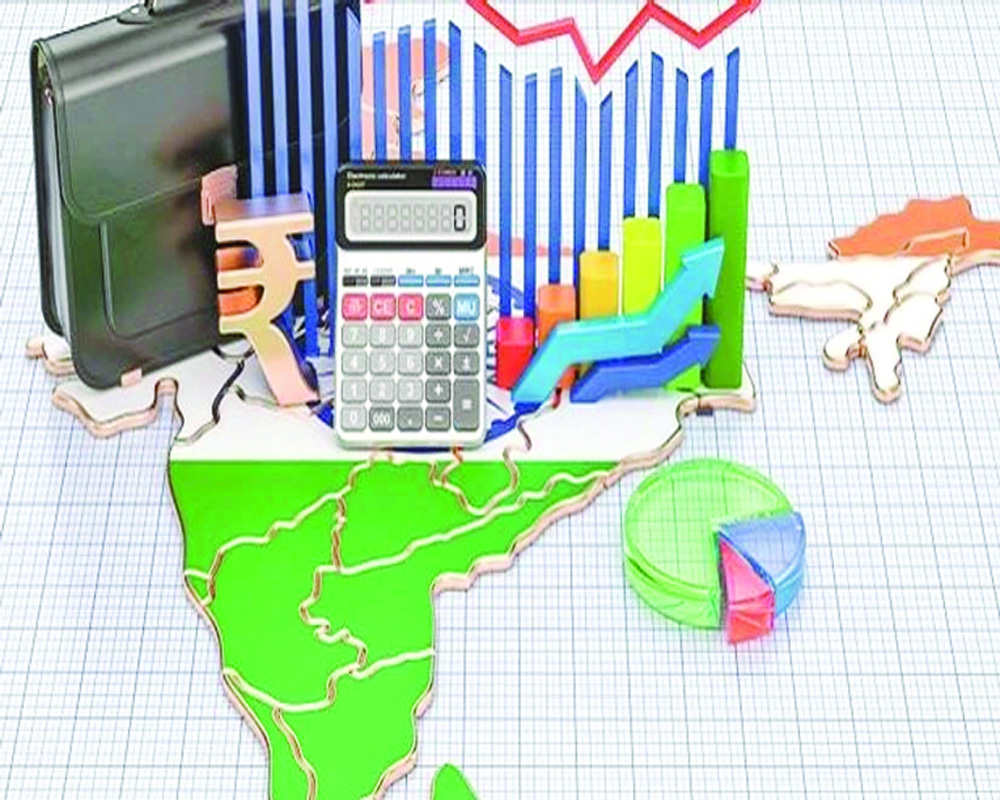
India, now the world’s fourth-largest economy with a GDP surpassing $4 trillion, must match its financial success with a legal architecture that reflects its scale, complexity, and ethical responsibilities - especially in its thriving private sector. From infrastructure to innovation, the private sector drives growth, but ethical lapses here - accounting fraud, environmental damage, and education or healthcare scams - have serious public consequences.
Yet, India remains largely indifferent to two critical needs: protecting private-sector whistleblowers and shielding the innocent from false or malicious allegations.
An Outdated Law for a New Economy
The Whistle Blowers Protection Act, 2014, covers primarily public servants. It was designed to fight Government corruption but fails to consider that most economic activity and employment in India now arise from the private sector. SEBI mandates whistleblower mechanisms only for listed companies - leaving a vast swath of private and multinational corporations (MNCs) beyond its reach.
Outsourcing Justice, Losing Trust
In this vacuum, Indian employees of MNCs often turn to foreign laws like the US Dodd-Frank Act, the UK’s Public Interest Disclosure Act or France’s Sapin II law. But these are structured to serve foreign corporate interests - not Indian employees operating in India. These frameworks often involve opaque, foreign-led processes with little transparency or local recourse, eroding legal sovereignty and trust within companies. Misuse of such systems can target whistleblowers or scapegoat honest professionals, creating a culture of fear.
Case 1: Two recent cases are illustrative.
Lathika Pai vs Microsoft India (2019 - 2024) Lathika Pai, a respected startup ecosystem leader, has sued Microsoft India and Microsoft Corporation, seeking ?35.3 crore in damages. She claims she was constructively dismissed in 2024 after a campaign of intimidation and exclusion.
The dispute traces back to anonymous complaints from 2019 related to the “Highway to a 100 Unicorns” program. Microsoft’s internal inquiry initially found no wrongdoing. Pai even received a promotion in 2021. Yet in 2024, a second probe was launched by a US based law firm. She was never shown the original complaints and objected to the lack of transparency and due process. Senior leaders reportedly labelled her a “troublemaker,” and she was excluded from internal forums. Facing professional and mental distress, she resigned.
The Karnataka court has since allowed coverage of her case, rejecting Microsoft’s attempts at a gag order. Her case exposes how Indian professionals can be ensnared in foreign-led processes with little recourse in India.
Case 2: The French MNC Case - A Study in Ethical Collapse
For over 20 years, the Indian arm of a French medical device MNC was celebrated as a top-performing subsidiary. It delivered unprecedented revenue and profit contribution from India, led regulatory compliance, and became a model for the parent company.
Suddenly, this success story unravelled. In 2023, coinciding with a leadership change in France and the surfacing of internal misconduct in Europe, the Indian leadership - who wouldn’t agree to look the other way was subjected to a forensic audit - without standard protocols and with false disclosure that it was a standard audit. When the external agency found no wrongdoing, the audit was extended and its scope widened repeatedly in what appeared to be a desperate hunt for fault.
Ultimately, the Indian leadership was exonerated, thanked formally by the board, and the Indian CEO asked to stay. Yet one board member privately warned him, “Indian judges are buyable, and the company will buy them,” discouraging legal action. The Indian CEO insisted on stepping down, refusing to endorse questionable regulatory filings or serve his notice period.
His exit triggered a mass resignation: sixteen top, ethics-compliant leaders quit and joined an ethical Indian MNC. The French company retaliated with false internal narratives and forbade dealers to not sell any rival products despite short supplies.
To mask this reputational unravelling, the company is now relaunching in India under a new name “New .” The rebranding invites comparisons to the failed “New Coke” campaign: Just as “New Coke” abjectly failed to replace a classic, this rebranding is seen as an effort to bury the blunders of the recent past. Another internal label being used is “ 2.0,” which has backfired drawing mockery in domestic circles, where it is being derisively interpreted as a “Do Number ki company” (a colloquial term implying questionable legality or shady intent)
Worse still, this rebranded entity has become entangled in a procurement scam. Such scams are not unheard of in India viz. Kolkata Catheter Scam.
In typical “new” mode, it tried to deflect blame and avoid audits - gagging dissent, settling issues surreptitiously, and gaming the system.
This descent from model subsidiary to ethical cautionary tale shows how foreign-led systems can crush principled leadership, try to smear exonerated employees if they leave post an audit- to justify these audits to their overseers and incentivize deceit.
A Nation Cannot Outsource Its Conscience
These are not isolated stories. Andthis is a structural vacuum in Indian law.
No Indian employee - whether a whistleblower or wrongly accused- should be forced to navigate unfamiliar foreign legal systems just to defend the truth.
India must amend the Whistle Blowers Protection Act, 2014 to include private-sector employees or enact a separate law for whistleblowers in private firms, both domestic and foreign.
It should enforce strong anti-retaliation measures, penalize false complaints, and hold organisations accountable for harassment or cover-ups. India’s $4 trillion economy needs laws that protect honest professionals who speak truth to power.
(The writer is the former HR Head of Vygon India and a recognised thought leader in compliance. Views are Personal)