











The Trump-Netanyahu plan for peace in Gaza is bold yet fragile. If carried out sincerely, it offers Gaza a rare hope — and a possible bridge to lasting peace
There have been so many false starts on Gaza peace that it is difficult to believe the latest initiative will succeed. Yet, despite the skepticism, one cannot help but look forward to it, hoping against hope that this time might be different. The new proposal is a 20-point programme put forward by Donald Trump and endorsed by Benjamin Netanyahu to shape Gaza’s future without Hamas. While Washington hails it as a “historic day,” doubts remain, chief among them the fact that Hamas itself is not part of this grand plan.
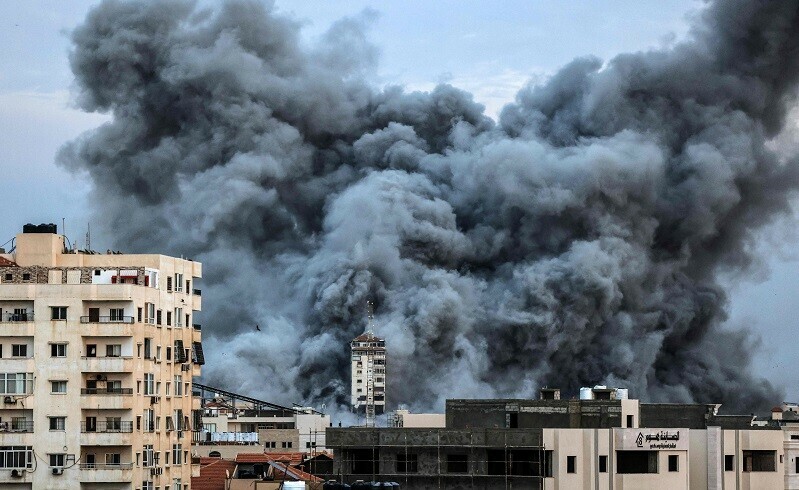
Israel’s acceptance of the plan marks an important, if tentative, headway toward ending decades of bloodshed in Gaza. Whether this bold initiative can truly bring relief to its people depends not only on the terms laid out but also on the will of those forced to live with its consequences. The people of Gaza have endured some of the worst human rights violations in modern conflict. Years of blockades, aerial bombardments, and restrictions on food, fuel, and medicine have left the Strip in perpetual crisis. The United Nations has described Gaza as “unliveable” for much of its population, with poverty, trauma, and collapsed infrastructure fuelling despair.
The Trump-Netanyahu plan offers a glimmer of possibility. It promises aid, reconstruction, and a secure future. It envisions an immediate end to hostilities, the release of hostages, and a phased Israeli withdrawal in exchange for security guarantees. Gaza would come under temporary transitional governance by a Palestinian technocratic committee, free from Hamas’s grip, while an International Stabilisation Force takes control to ensure peace and security.
For residents of Gaza, even the smallest reprieve — access to food, medicine, and safe shelter — would mark a significant change from the relentless cycle of airstrikes and scarcity. The promise of aid “without interference,” if honoured, could restore a measure of dignity to daily life.
All this sounds too good to be true. The only glitch is that Hamas has been completely sidelined and it is hard to believe that Hamas would accept the proposal, giving up its hold on the Gaza Strip. Besides, a clause says that if Hamas foments trouble or indulges in violence, Israel would be free to use force again. This very clause leaves the whole exercise futile as, in all likelihood, Hamas, though not what it used to be, is still a force in Gaza. Trump made it very clear his intentions, saying that if Hamas reject the proposal, Netanyahu would have America’s full backing to “finish the job.” That threat underscores the fragility of the moment. If Hamas sees the plan as an ultimatum rather than a compromise, renewed escalation could undo the delicate progress made.
For Palestinians, the most critical clause may be the one hinting at a “credible pathway to self-determination and statehood.” Without this horizon, any peace will remain incomplete. The people of Gaza deserve more than temporary relief and sops; they deserve the dignity of a future where they are involved in shaping their destiny.



