











Nepal’s digitally savvy youth have upended the nation’s political order. Yet, amid fractured leadership and swirling conspiracy theories, the question lingers — will this revolution truly reshape Nepal, or will it lead to more chaos?
“Ke gar diye ko chhora!” (what have you done, son!) rebuked a dying King Birendra when Prince Dipendra perpetrated the Palace massacre, literally wiping out the Shah dynasty by a fusillade of bullets from his M16 rifle on 1 June 2001.
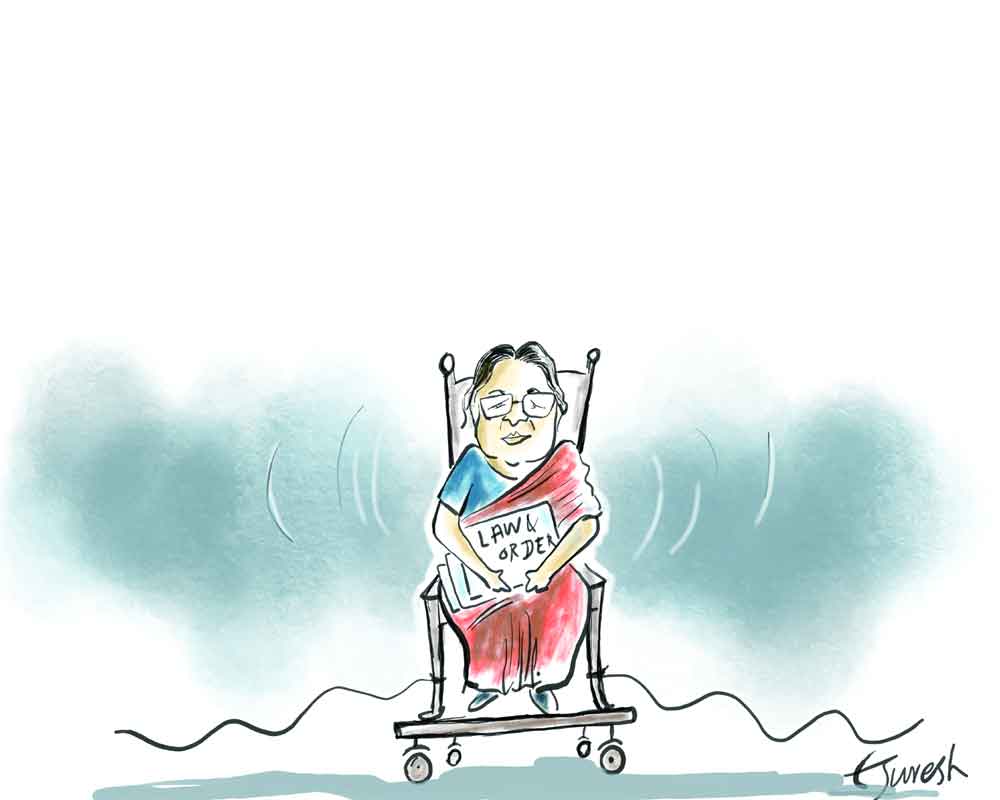
A quarter of a century later a similar question could be asked of a digitally connected youth collective between ages 13 and 30 calling itself Gen Z that eliminated key political and physical infrastructure in Kathmandu, causing an emotional and psychological tsunami that cost more than the earthquake and economic blockade of 2015 and four previous Andolans. Last week’s September Revolution is apocalyptic. The aftershocks of the 8–9 September youth quake will not cease anytime soon. By appointing former Chief Justice Sushila Karki interim Prime Minister, President Ramchandra Paudel, prompted by Gen Z, has ostensibly buried the old order even as the former ‘musical chair leaders’ are in hiding or recovering in Army Hospital after Gen Z roughing up.
The Gen Z, Karki and Paudel trio form the search engine for a clean image techno-talent team of ministers for the transformative transition of the country into a genuine New Nepal. Although Parliament has been dissolved and elections announced for 5 March 2026, six months may not be sufficient to achieve Gen Z’s unclear political agenda. One of its leaders, Miraj Dhungana, for example, mentioned the Two Agenda movement: a stable, single-party government for four years; accountable to eradicate corruption. There is more in the agenda, but he has reportedly vanished mentioning security threat? Sudan Gurung, the face of leaderless Gen Z, was roughed up at Kathmandu’s prestigious Reporters Club; he was also involved in a brawl with Karki; another youth leader, Purshottam Yadav, appears sidelined. Gen Z seems in disarray and discord.
The Army has returned to barracks; and police is gradually recovering confidence to return to duty. Army Chief, Gen Ashok Sigdel, is no longer in the political loop of consultations with different Gen Z groups; civilian political control of the Army is restored. Inimical elements that hijacked Gen Z must be identified and removed soonest. Though monarchy is hopeful of making a comeback, locating space will be difficult even as its nostalgia may persist. The 2015 Constitution, with the President as its keeper, is intact. Elimination of corruption and accountability are the top goals of Gen Z. Separate commissions are being established for this and to fix responsibility for death and destruction.
In post-Argalaya Sri Lanka, old regime members and bureaucrats are/were in jail for corruption, including a former President. Conspiracy theories abound, given Kathmandu’s reputation as the rumour capital of the world. The first one relates to Prachanda Maoists and Rabi Lamichhane’s RSP mixed up with Gen Z. Purshottam Yadav is a former Maoist student leader in Madesh, and Sumana Shreshta was pictured during Karki’s swearing-in. While Nepali Congress and CPN UML offices were ransacked countrywide, Maoist and RSP offices were relatively spared.
The connections may bloom.Another story is attributed to veteran journalist Kishore Shah who, writing on X, has claimed that Sigdel asked Paudel to step aside and let him negotiate with stakeholders. Paudel refused: “I will not resign; kill me and blame it on protestors. Then you can do what you like.” But Sigdel has done well in stepping aside and letting Shital Niwas, not Tundikhel, call the shots. The Army was not allowed to be politicised by the Palace. King Birendra, even after constitutional monarchy was introduced in 1991, ensured that then Royal Nepal Army never slipped out of royal control by transferring allegiance to the political executive by tinkering with the 1990 Constitution. He also created an intermediary force called the Armed Police Force.
Yet another story is that the Army wanted a Durga Prasain, the UML leader turned monarchist, to be included in negotiations. The Army still has a soft spot for the King and Prasain was meant to explore space for monarchy’s revival in the new order. That would mean dumping republicanism that was emblematic of the 10-year Maoist revolution. The move was countered by Maj Gen Yem Adhikari, a former Maoist military commander inducted into Nepal Army during the Integration of the Armies process when about 9,000 Maoists were reluctantly accepted. The Nepal Army enjoys the full confidence of the Nepalese people and is regarded as a highly trained and motivated organisation which has proved its mettle in UN Peacekeeping and is the most trusted institution in the country. Sigdel, as a young Lieutenant, served with our own Lt Gen Satish Nambiar, UN Force Commander in Bosnia and Herzegovina in 1992.
In February 2025, Sigdel invited Nambiar to sit at the top table during a lunch he organised while on an official visit to India.Karki has appointed three ministers: Kulman Ghising, Energy; Om Prakash Aryal, Home; and Rameshwar Khanal, Finance. Ghising made his name as one who rid Kathmandu of load-shedding. His motto: Right man, Right place, Right time. Aryal was the popular legal advisor to Kathmandu Mayor Balendra Shah. Others who are ministerial hopefuls are Harka Sampang, Mayor Dharan; Lt Gen Balanand Sharma (retd). Surprisingly, no names have been offered by Gen Z, though Purushottam Yadav is known to be capable and a team player. Gurung has said he is not interested in joining the cabinet. Younger clean politicians may find a berth. Not to be overlooked are eight political parties who have called for revival of Parliament.
Discredited political parties are unlikely to be banned like in Bangladesh. Unlike the youth revolutions in Sri Lanka and Bangladesh, Nepal’s is truly indigenous and grassroots, one that was waiting to happen. 4 Sep App ban; 6 Sep schoolgirl Usha Magar run over by a fleeing minister’s car in Kathmandu; 8 Sep shooting of 19 (now 72 dead declared martyrs) youth protestors by police were triggers for 9 Sep destruction of iconic symbols of state and lynching of stagnant political order… marking end of an era. Will next year’s elections change politics and governance or return the masked old order? But today is Martyrs’ Day holiday in Nepal.
The writer, a retired Major General, was Commander, IPKF (South), Sri Lanka, and a founder member of the Defence Planning Staff, currently the Integrated Defence Staff



