Hapless citizens, helpless Governments
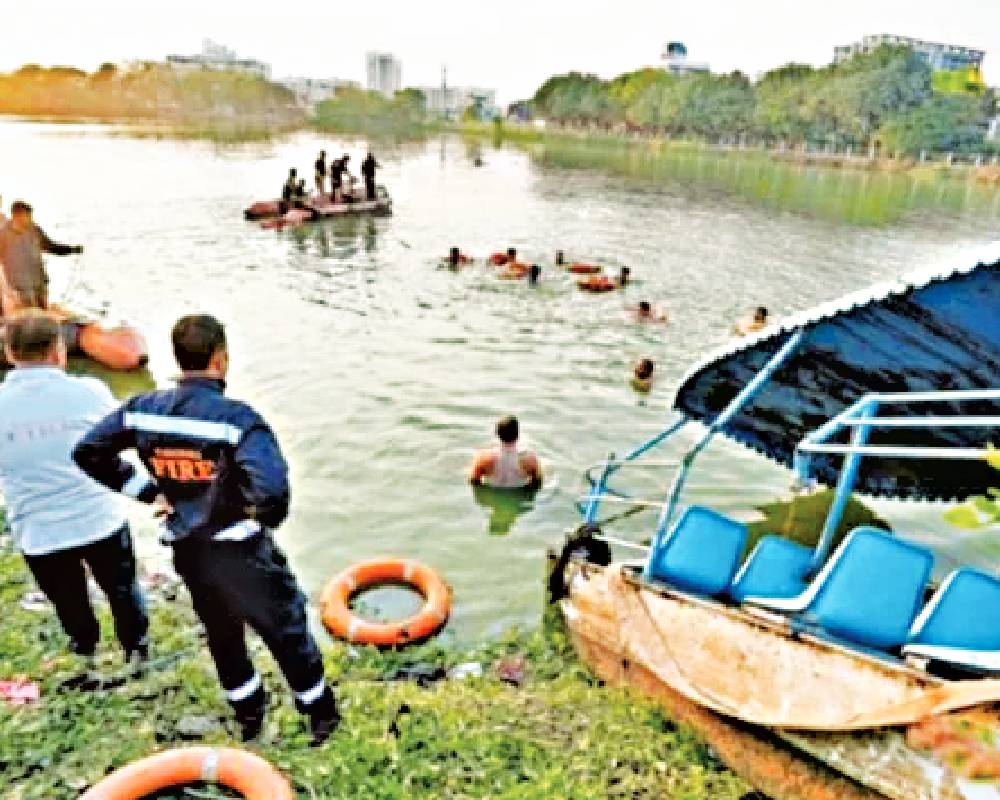
Transportation is the lifeline of any nation, facilitating economic growth, social interaction, and national integration. From bustling highways to vital railway networks and expanding aviation routes, the efficiency and safety of transport systems determine a country’s progress and global competitiveness. However, across much of Southeast Asia, this lifeline is fraying.
The region has witnessed an alarming rise in man-made transportation accidents on roads, rails, and in the air and water, underscoring deep-rooted systemic failures. Despite repeated warnings from experts and recurring tragedies, safety remains a neglected priority. The real crisis lies not merely in poor infrastructure, but in governance deficits, corruption, and a culture of complacency that have made such disasters almost predictable.
Current Situation
India, with one of the world’s largest road networks, records the highest number of road fatalities globally: a tragic distinction that reflects the dire state of safety enforcement. In Pakistan and Bangladesh, poorly maintained public buses and lax driving standards contribute to frequent road tragedies. In Nepal, a combination of treacherous terrain and vehicle overloading continues to claim lives. Even air safety, which demands the highest precision, has been compromised by negligence and inadequate oversight. What ties these incidents together is not just infrastructural decay but institutional corruption.
Funds earmarked for road repairs, rail modernisation, and aviation safety audits are too often siphoned off by corrupt officials or misused due to poor planning. Substandard materials are used in construction projects, safety inspections are perfunctory or skipped altogether, and regulations exist more on paper than in practice.
At the state level, the rot runs deep. Many regional governments lack the political will or administrative capacity to enforce safety standards. The issuance of driving licences, for instance, is notoriously casual. In several countries, licences can be obtained without proper training or testing, sometimes through bribery or political influence. This results in untrained, reckless drivers operating vehicles on already hazardous roads-a recipe for tragedy.
Moreover, there is little to no culture of periodic vehicle inspection. Buses, trucks, and private vehicles continue to ply despite being mechanically unfit, emitting toxic fumes and posing constant danger to commuters. Corrupt local officials often overlook such violations in exchange for small bribes, perpetuating a cycle where accountability is absent and public safety is compromised.
The consequences of such governance failures are devastating. Every day, citizens across the region risk their lives merely by commuting. Road fatalities rob families of their breadwinners; rail and air disasters inflict collective trauma that scars entire communities. The loss is not merely statistical but deeply human: children orphaned, parents grieving, families shattered by entirely preventable tragedies.
The economic cost is equally severe. Repeated accidents deter investment, disrupt trade, and drain public resources on rescue operations and compensation. Yet, beyond economics, the larger tragedy lies in the erosion of public trust. When citizens realise that their lives are endangered not by fate but by the corruption and indifference of those meant to protect them, faith in institutions collapses.
Call to Action
Governments across Southeast Asia must recognise that transportation safety is not a luxury; it is a fundamental right of every citizen. The first step towards reform lies in tackling corruption head-on. Transparency in infrastructure spending must be made non-negotiable. Every rupee or taka allocated for road safety, railway upgrades, or aviation oversight must be accounted for and subject to public scrutiny.
Second, state governments must institutionalise rigorous and periodic inspections of vehicles, tracks, and aircraft. Independent safety commissions-insulated from political influence — should be empowered to enforce compliance and penalise violators.
Third, the process of issuing driving licences must be overhauled. Stringent testing standards, computerised assessments, and continuous driver education should replace the current system that too often rewards bribery and negligence. Road safety education, starting from schools, can help cultivate a culture of responsibility and awareness that endures over generations.
Finally, civil society and the media must play a proactive role in demanding accountability. Each preventable death on the road or in the air must be treated not as an isolated incident, but as evidence of systemic failure that demands redress.
Transportation should connect lives, not end them. The tragic frequency of man-made transportation disasters in Southeast Asia is a stark reminder that progress without integrity is hollow. Unless corruption is rooted out, regulations are enforced, and human life is valued above political expediency, the region will continue to pay a heavy price in blood and broken trust.
Governance, after all, is not measured by how quickly roads are built or airports inaugurated, but by how safely and honestly citizens are allowed to travel upon them. Human life, and indeed all living life, must be treated as sacred by those in power. There has to be a limit to the suffering a society can endure before its conscience revolts. Yet, indifference has become our silent companion; we mourn briefly for the dead and then move on, believing tragedy belongs to someone else.
But fate has a cruel way of closing distances: it is someone else’s loss today, it could be your loved one tomorrow. Those who sit in positions of authority must remember that no shield of privilege can protect them forever from the pain they choose to ignore. When a life is lost to negligence, it is not just an accident; it is a moral failure of the entire system, a wound that bleeds into the collective soul of a nation.
Prashant Tewari, policy expert and columnist at The Pioneer