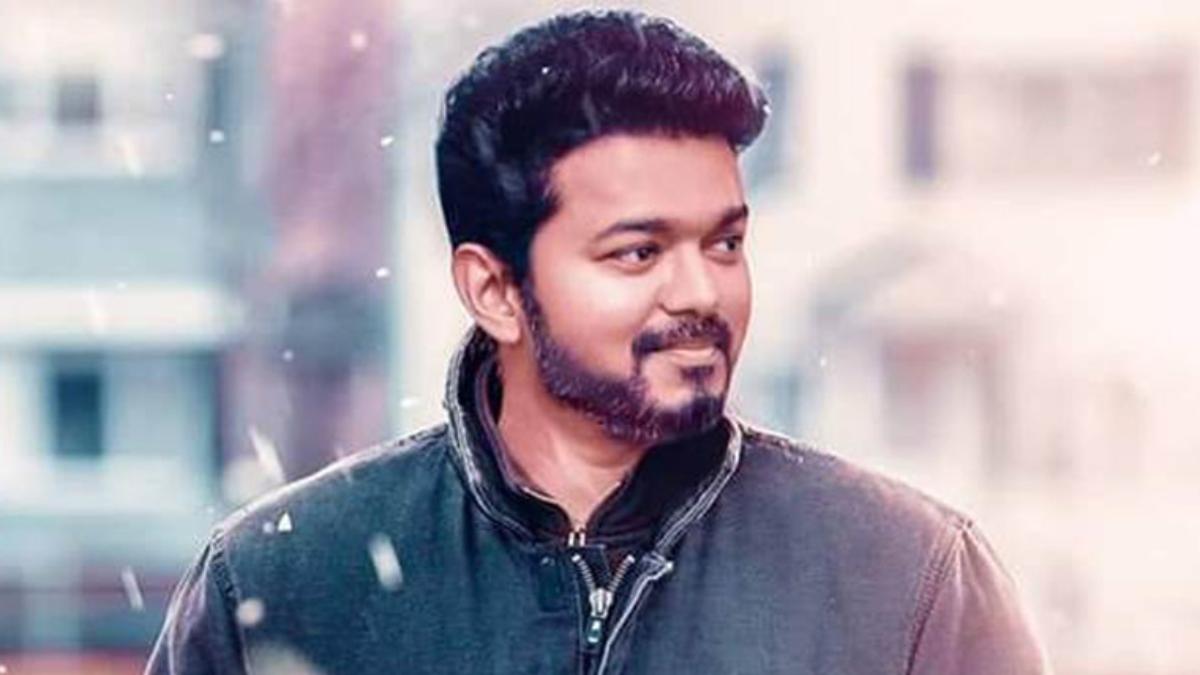
Last Sunday, September 28, much of India and the diaspora froze their weekend plans to immerse themselves in a spectacle: India versus Pakistan in the Asia Cup final at Dubai. For countless fans, life itself seemed suspended until the last ball was bowled. Yet, in our home, the frenzy scarcely mattered. Despite the match being played in our backyard, neither my husband nor I felt compelled to join the celebration. “They don’t pay our bills or help us manage our obligations,” he remarked with pragmatic clarity, and I could not have agreed more. Just a day earlier, however, thousands in Tamil Nadu had disregarded that very logic. They poured into Karur in suffocating numbers, desperate to glimpse their hero—actor Vijay—at a political rally. Their fervour ended not in fulfilment but in tragedy. The stampede that followed left dozens dead, including a two-year-old toddler who was among the first to reach the hospital. I could not help but wonder: what did the parents imagine when they carried that child into the surging crowd? That they were seeking blessings from a living avatar? Or that their presence near him would somehow sanctify their lives? What compels people—young and old, frail and strong—to risk their very existence in the vortex of such frenzy? Admiration? Hope? Escapism? Or simply the blindness that hero worship breeds?
We Indians have always been culturally emotional in how we revere our icons. Our admiration often tips into deification, transforming entertainers and leaders into demi-gods. Some we even enshrine in temples, carved in stone. Whether or not this differs radically from other societies, in India the attachment carries an unmistakable sense of invincibility. Heroes become larger than life—sometimes, heartbreakingly, even more valuable than the lives of their followers. Film stars in particular blur boundaries between illusion and reality. The roles they embody on screen—valour, virtue, sacrifice—are often superimposed on their ordinary lives.
Audiences glibly transfer cinematic charisma onto real personalities, making them moral exemplars, saviours, even redeemers. The result is a devotion as consuming as it is perilous. Like moths to a flame, admirers are drawn closer, not realising until it is too late that the flame burns. Why does hero worship so easily cross the bounds of reason? Perhaps because, as psychology suggests, we project our ideals onto others. Carl Jung described this as the “projection of the archetype.” In heroes, we see our missing parts reflected; they become mirrors of our aspirations, offering a fleeting sense of wholeness. For many, this illusion of completion is irresistible. There is also the monotony of daily life. Heroes provide an escape from routine drudgery, offering a vicarious taste of grandeur and perfection. Maslow’s hierarchy of needs reminds us that admiration itself can satisfy our craving for self-esteem and meaning. Through “charismatic authority,” fans deposit their ambitions into their idols, expecting to live out their dreams by proxy.
The thousands who swarmed Karur may never articulate these psychological forces. All they knew was the hope their hero embodied: a man who, through his cinematic roles, upheld justice, brought laughter, and offered colour to otherwise grey lives. To them, he was not just an actor, but a rainbow. Yet in their blind zeal, in their pursuit of an amorphous bliss, they collapsed into a heap of bodies. Their worship, their dreams, their very faith, crushed by the weight of the devotion that had consumed them.
(The writer is an author, columnist, independent journalist and writing coach based in Dubai)