With adversaries rapidly upgrading to next-generation aircraft, India must priortise air combat readiness
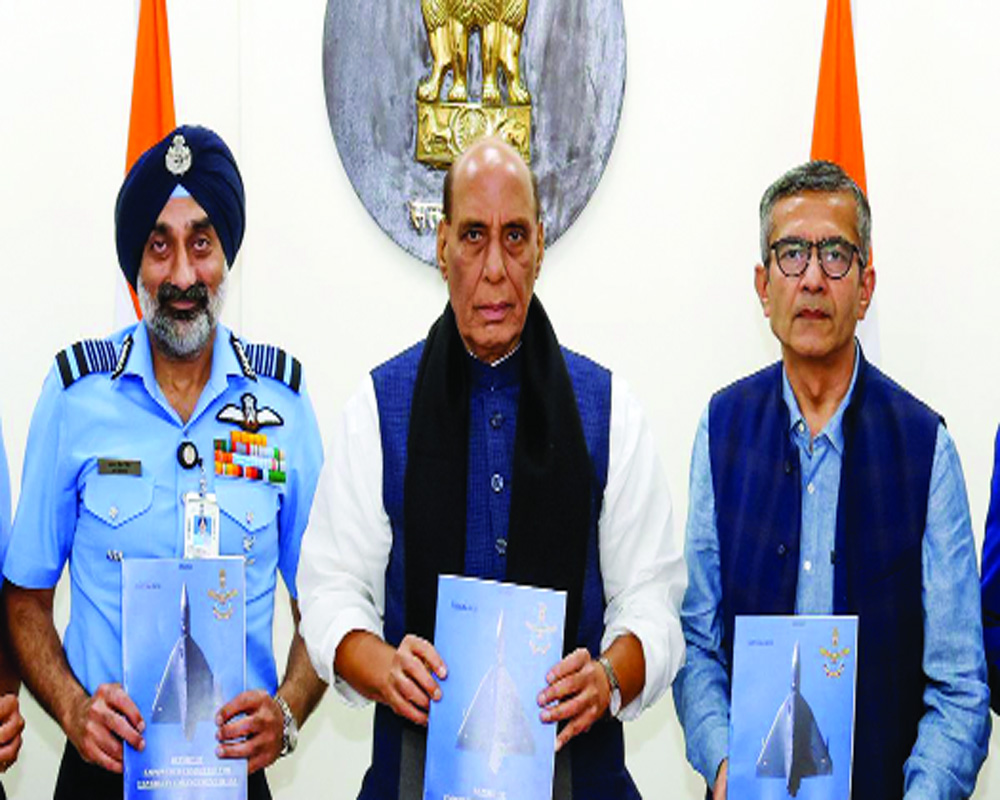
The Indian Air Force (IAF) is at a critical juncture, balancing the need for rapid modernisation with self-sufficiency under the ‘Aatmanirbhar Bharat’ initiative. A recent report by the Empowered Committee for Capability Enhancement of the IAF, has identified key thrust areas and provided recommendations to address shortfalls and enhance the force’s capabilities. The IAF is currently operating at 31 fighter squadrons, significantly below the sanctioned strength of 42 squadrons. The delays in the induction of the Light Combat Aircraft (LCA) Mk1A and the gradual phasing out of ageing Jaguar, MiG-29UPG, and Mirage-2000 present an urgent need for new acquisitions. The report underscores the necessity of accelerating the production of the LCA Mk1A, LCA Mk2, and the fifth-generation Advanced Medium Combat Aircraft (AMCA). Besides, the need for additional Airborne Early-Warning and Control (AEW&C) aircraft, mid-air refuelers, and advanced missile systems is crucial for operational capabilities. The committee has stressed the role of the private sector in complementing efforts by Defence PSUs and the DRDO to boost production capacity and efficiency in aerospace manufacturing. The slow pace of domestic fighter jet production has led to gaps in operational readiness, particularly when adversaries like China and Pakistan are rapidly modernising their air forces with fifth- and even sixth-generation aircraft.
The complex procurement process and lack of streamlined decision-making continue to delay critical acquisitions compromising the air strength. While progress has been made in indigenous defence production, there are still gaps in high-end technologies such as jet engine development, advanced avionics, and stealth capabilities. The financial allocation for defence needs to align with modernisation goals, ensuring adequate funding for both indigenous projects and immediate acquisitions. Defence Minister Rajnath Singh has directed that the committee’s recommendations be implemented in a structured and time-sensitive manner to prevent further delays. The government must ensure the timely execution of the AMCA program and increase HAL’s production capacity to meet annual fighter jet requirements. Besides, a reformed procurement mechanism, reducing bureaucratic delays, is essential to fast-track approvals and acquisitions. Strengthening collaborations with global aerospace leaders to bring in advanced technology while setting up domestic manufacturing hubs will help accelerate modernisation. Encouraging private defence manufacturers through policy reforms, incentives, and infrastructure support will boost self-sufficiency in aerospace production. The recommendations underscore call for urgent action and need for addressing systemic challenges, and fostering innovation through private sector involvement. Indeed, India must achieve a combat-ready and self-sufficient air force capable of countering emerging threats. The need for a modern and highly efficient Air Force is more critical than ever.