Climate change is no longer knocking on our doors — it’s inside our homes. From Delhi’s smogchoked air to Mumbai’s unpredictable monsoons and the scorching heatwaves sweeping across the country, the evidence is all around us. The only question that remains is: how quickly can we respond? One of the most immediate and impactful ways to address this crisis lies in how we travel.
Transport contributes nearly 23 per cent of global carbon emissions (Source: IEA). In India, road transport alone accounts for over 12 per cent of energy-related CO2 emissions (Source: RMI), a number that is growing rapidly with increasing urbanisation and rising vehicle ownership. India’s mobility story needs a decisive shift toward sustainability.
Electric vehicles (EVs), efficient public transport, walking, cycling, and shared mobility cannot remain niche solutions — they must become the new normal.
This isn’t just a strategy to lower emissions; it’s a vision for cleaner air, healthier communities, and more liveable cities. Currently, our roads are dominated by petrol and diesel — powered vehicles. The consequences are all too familiar: deteriorating air quality, rising carbon levels, and escalating public health risks. A report by the Energy and Resources Institute (TERI) warns that if we do not act, transport emissions in India could increase sixfold in the coming decades. These issues are more than abstract concerns — they pose tangible risks to the daily lives and well-being of millions.â€
There is cause for optimism. India’s electric vehicle transition is gathering momentum. The Government has set clear and ambitious goals: by 2030, 30 per cent of new cars and 80 per cent of two and three-wheelers sold should be electric. Encouragingly, in Q1 of 2025, EV sales grew by more than 50 per cent compared to the previous year — an unmistakable sign that public acceptance of clean mobility is gaining ground. However, the real gamechanger lies not just in private electric vehicles, but in electrifying public transport — especially buses. These are the lifelines of our cities, connecting millions every day across socio-economic lines. An electric bus does far more than reduce tailpipe emissions.
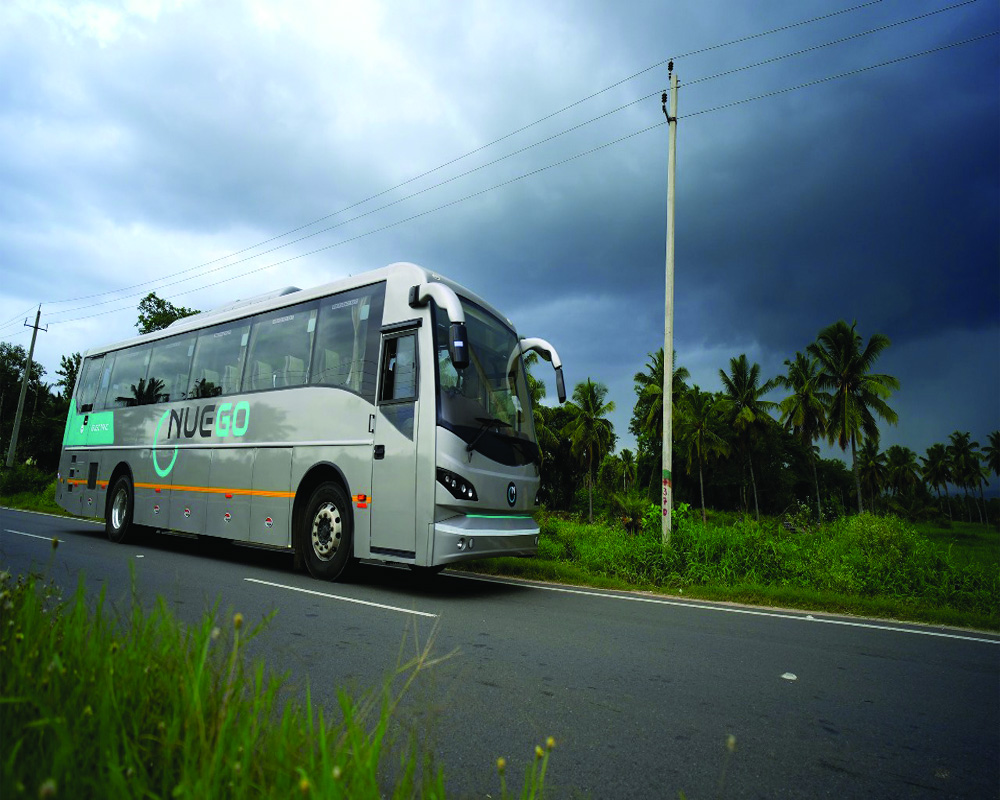
It eases noise pollution, lowers urban congestion, and replaces dozens of individual vehicles on the road. Brands like NueGo, GreenCell Mobility’s electric intercity bus service, are already demonstrating how clean, comfortable, and safe electric transport can become a mainstream reality in India. Addressing climate change is not the sole responsibility of Governments or large corporations — it requires collective effort. Industry must lead with innovation, policymakers must create the right incentives, and citizens must embrace sustainable choices. Together, we must rethink how we move. Sustainable mobility is about more than clean fuel. It’s about building a fairer, healthier, and more liveable India — for ourselves and for future generations. The path is clear. The technology exists. The time to act is now.
(The writer is MD & CEO, GreenCell Mobility. Views are personal)