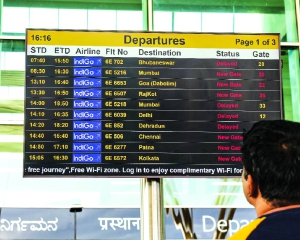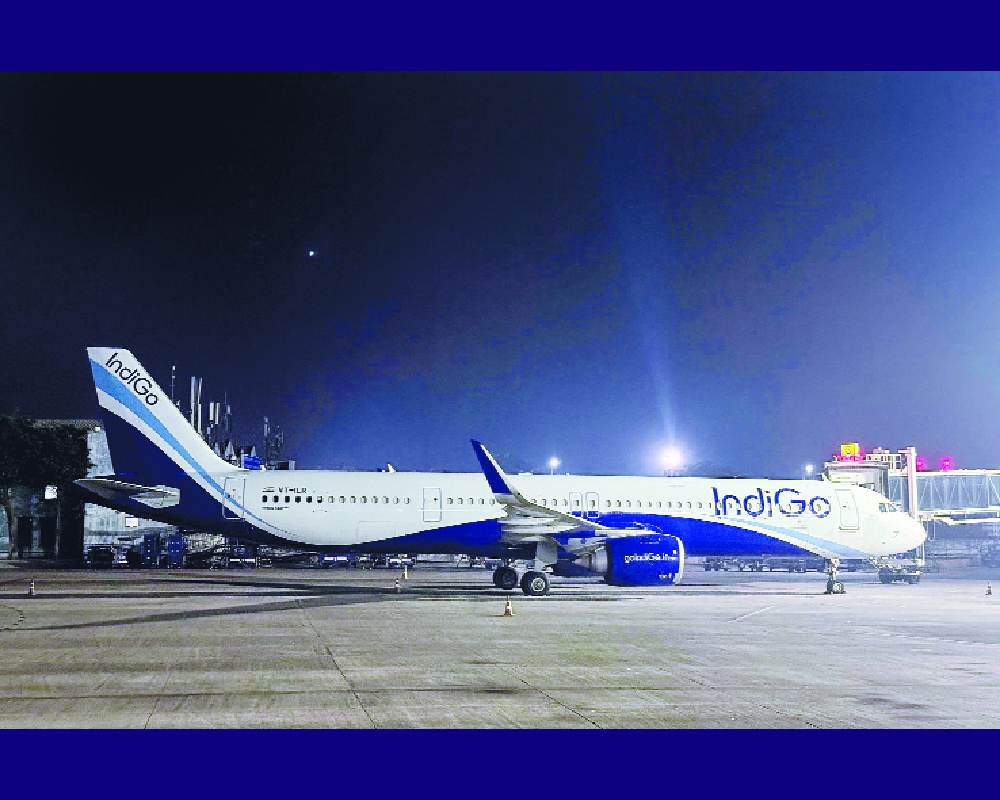
The Airlines Pilots’ Association of India on Friday raised strong objections to the Directorate General of Civil Aviation’s (DGCA) decision to grant IndiGo relaxation on the implementation of Flight Duty Time Limitations (FDTL) rules amid widespread disruption and cancellation of flights.
In a letter to the DGCA on Friday, ALPA-India said the decision not only sets a “dangerous precedent” but also undermines the very principle and purpose of the civil aviation requirement under which the norms have been formulated.
It also said on the pretext of passenger inconvenience, IndiGo is seeking relief despite having knowingly increased their winter operations while being fully aware of the implementation of the second phase of the pilots’ flight duty and rest period norms.
The DGCA earlier in the day granted IndiGo a temporary exemption from stricter night duty rules for pilots.
ALPA India had on Wednesday alleged that this (IndiGo cancelling huge number of flights) situation points to a “failure of proactive resource planning by dominant airlines, potentially exacerbated by an effort to pressurise the regulator to dilute the new FDTL norms for commercial gain”.
And on Thursday, the DGCA in a statement said it has directed the airline to submit the flight duty time limitation (FDTL) relaxations required to normalise the flight operations, after the airline informed the regulator that “it was facing significant transitional challenges in roster planning and crew availability under phase-2 FDTL requirement”.
IndiGo was the first carrier to oppose the new FDTL norms for pilots when they were introduced in January 2024, with March 2024 as the timeline for implementation.
The latest FDTL norms, which entail increased weekly rest periods to 48 hours, extended night hours, and limiting the number of night landings to only two, as against six earlier, were initially also opposed by domestic airlines, including IndiGo and Tata Group-owned Air India.
But they were subsequently rolled out by the DGCA following the Delhi High Court’s directives, albeit with a delay of over one year, in a phased manner, and with certain variations for airlines like IndiGo and Air India.