When the noted historian Yuval Noah Harari says that stories made the human race what it is, he has a point. Indeed, stories are inseparable from human existence; from the earliest times, they have helped shape human civilisation. Over time, the art of storytelling became more refined and compelling. The Urdu tradition of storytelling, Dastangoi, is a case in point-engaging, captivating, almost addictive.
Centuries ago, in the bustling bazaars of Mughal India, crowds would gather under flickering lamplight as a lone storyteller began: “Ek tha Dastan — there was once a tale…” With a sweep of his robe and a glint in his eye, he would conjure empires, djinns, and lovers out of thin air. The audience, spellbound, would forget where the story ended and life began. That was the magic of Dastangoi — the ancient Urdu art of storytelling that turned words into worlds.
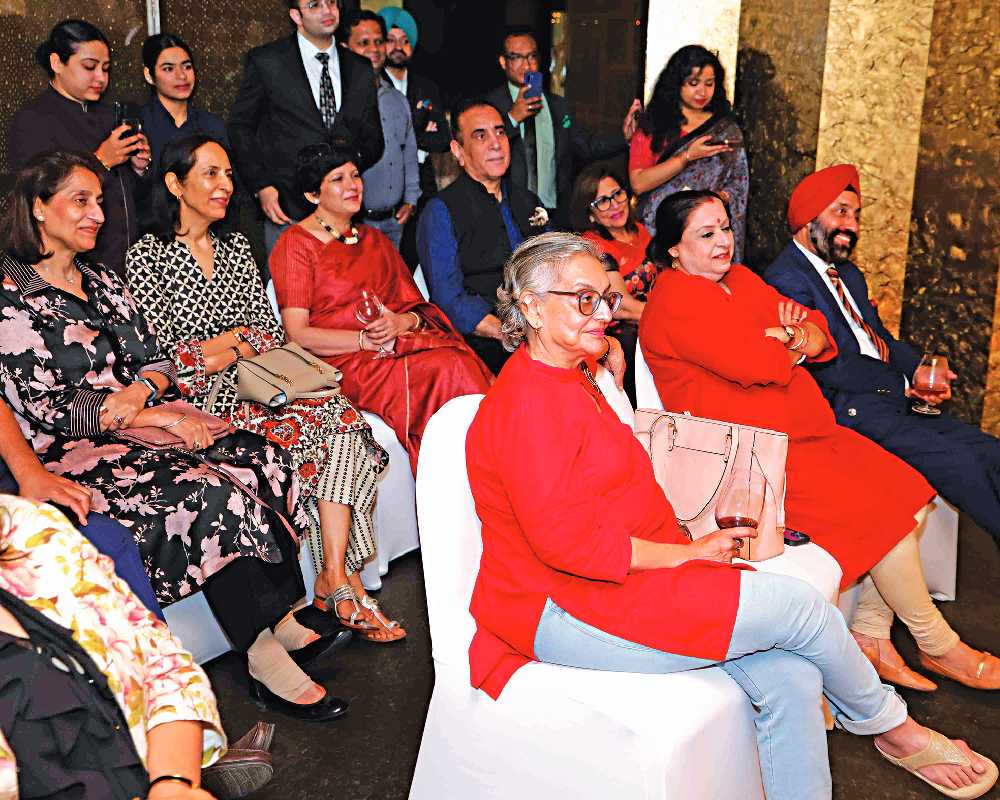
This timeless tradition was brought beautifully back to life at Le Meridien New Delhi, where Dastangoi — Gharwali, performed by celebrated artists Sunil Mehra and Pallav Mishra, transported guests into the wry, witty, and fiercely human world of Ismat Chughtai. Rooted in 13th-century Persian origins and later flourishing in the Mughal courts, Dastangoi-from dastan (story) and goi (telling) — was once the beating heart of oral culture.
These tales of valour, trickery, romance, and philosophy were performed in marketplaces and royal durbars alike, where the storyteller’s only tools were voice, gesture, and imagination. Mehra and Mishra’s performance reimagined this legacy with contemporary sensibility. Every pause, glance, and word pulsed with emotion, reminding the audience that Dastangoi is not about grand sets — it is about the human voice weaving magic in the air.