Credit cards have evolved significantly, transforming from simple payment tools into symbols of lifestyle and status. Today, one of the most noticeable distinctions isn't just in the rewards programs - it's in the very material the card is made from. You've likely seen or heard about premium metal credit cards, renowned for their satisfying weight and distinct feel. On the other hand, the familiar plastic credit card remains the go-to for most people.
So, how do these two compare? And does the material truly impact your experience? Let’s explore the key differences between metal and plastic credit cards to help you decide which is the perfect match for your wallet.
Material and Physical Design
The most immediate and striking difference lies in the material itself.
- Metal credit cards are crafted from premium materials like stainless steel, titanium, or a sophisticated metal-plastic composite. This gives them a significant weight, a cool-to-the-touch feel, and an undeniable sense of prestige every time you make a payment.
- Plastic credit cards, often called regular credit cards, are made from durable PVC (polyvinyl chloride). They are lightweight, flexible, and designed for universal functionality, representing the standard for accessible, everyday payments.
Durability and Lifespan
When it comes to longevity, the construction material plays a key role.
- A metal card's robust construction offers superior resistance to physical wear and tear. It is far less likely to bend, snap, or crack in a crowded wallet. While the surface can get scratched over time, the card's structural integrity remains intact.
- Plastic cards can be more susceptible to bending, fading, and cracking with frequent use. However, they are designed to last through their validity period under normal conditions and are easily replaced by issuers if they get damaged.
Functionality and Associated Perks
At their core, both types of cards perform the same essential functions. Whether you're tapping to pay, using the chip and PIN, or shopping online, the transaction process is identical.
The material doesn't change how the card works, but it often signals what the card offers.
- Metal is typically reserved for premium and super-premium cards. These are often bundled with exclusive benefits like higher credit limits, complimentary airport lounge access, concierge services, and accelerated reward points, designed for a discerning user.
- Plastic cards cover the entire spectrum, from entry-level to premium. This makes them accessible to a much broader audience with diverse credit profiles and financial needs.
Cost and Eligibility
The premium nature of metal cards usually comes at a price.
- Issuers offering metal cards often have stricter eligibility criteria, requiring a strong credit history and a higher income. These cards frequently come with substantial annual fees or high minimum spending requirements to justify the exclusive perks.
- Plastic credit cards are available to almost everyone. With a vast range of options—from no-annual-fee basic cards to feature-rich premium ones—it's much easier to find a plastic card that suits your financial situation.
Everyday Use and Convenience
Your daily habits can influence which card feels more practical.
- While a metal card's durability is a plus, its weight can be a minor inconvenience in some automated machines, like parking terminals or vending machines, which may struggle with the card's heft. When it's time to dispose of an expired metal card, you can't simply cut it up; most issuers recommend returning it for secure destruction.
- Plastic cards are lightweight and flexible, ensuring universal compatibility with all types of card readers and terminals. Their ease of disposal adds to their everyday convenience.
Conclusion: Finding the Right Card for You
So, which is better? The choice ultimately depends on what you value most. If you seek a symbol of prestige backed by elite benefits and are comfortable with the associated costs, a metal card is a compelling choice. If accessibility, low costs, and universal convenience are your priorities, a classic plastic card is a reliable workhorse.
Metal for presence. Plastic for convenience. Why not both?
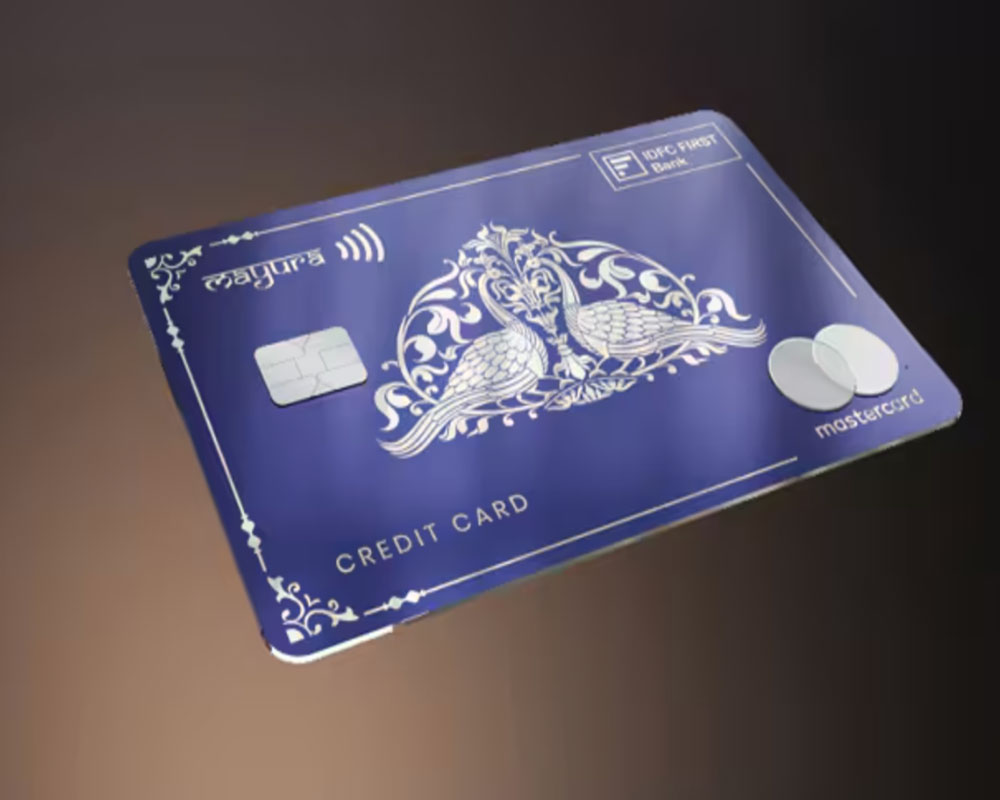
Traditionally, the premium feel of a metal card was reserved for a select few. IDFC FIRST Bank is changing this narrative. We believe that premium experiences shouldn't be out of reach. That's why it has introduced affordable metal cards like the Ashva Credit Card and Mayura Credit Card. These cards deliver the sought-after metallic feel and durability without the hefty fees, making premium truly accessible.
For those who prefer the versatility of plastic, IDFC FIRST Bank offers lifetime-free options like the FIRST Classic, FIRST Millennia, FIRST Select, and FIRST Wealth cards, each tailored to different lifestyles and spending habits. It also offers specialised cards like the FIRST SWYP and FIRST Power and Power+ Credit Cards to meet unique needs.
When comparing metal cards vs plastic cards, the choice often comes down to personal preference and usage needs. Metal credit cards offer a premium feel and added durability, while plastic credit cards remain practical, lightweight, and widely accessible. In terms of core functionality, both serve the same purpose—what sets them apart is the user experience and how the card aligns with individual financial goals.