In a move that integrates traditional healing wisdom with modern wellness practices, Madhya Pradesh is preparing to establish its first Government-run Unani Hammam at the Hakim Syed Ziaul Hasan Government Unani Medical College in Bhopal.
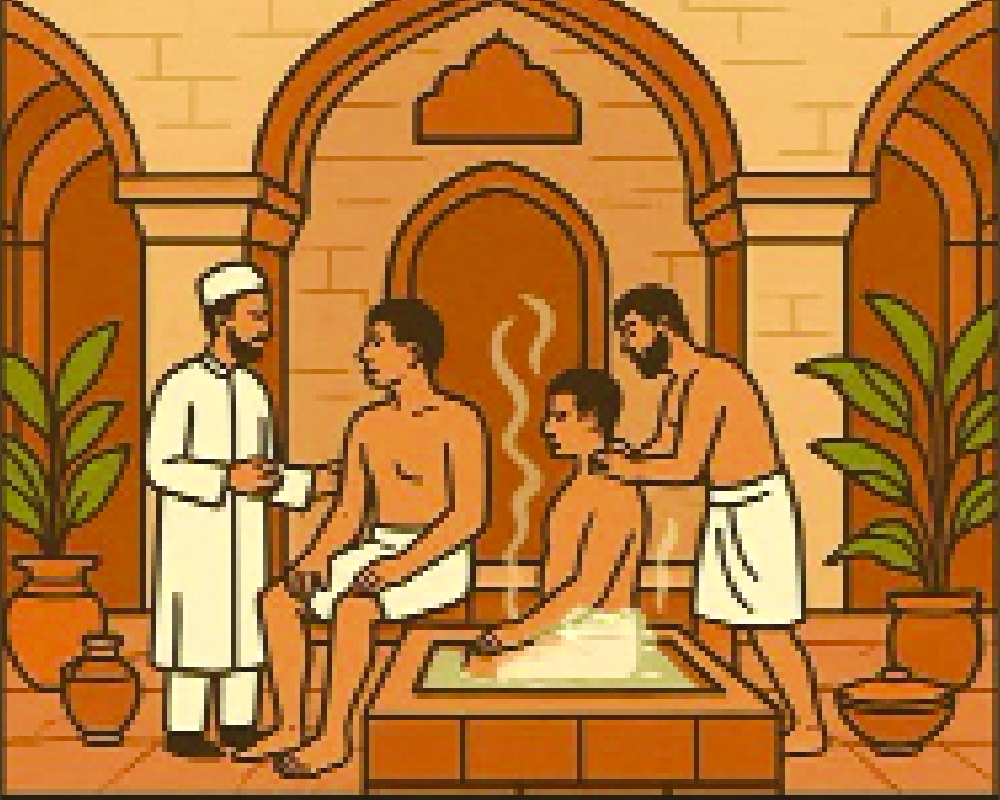
The Detailed Project Report (DPR) for the initiative has been completed and submitted to the authorities for approval. Once operational, the facility will not only revive a centuries-old therapeutic tradition but also place Bhopal on the national map as a centre for Unani wellness and medical tourism. The concept of the hammam, or traditional steam bath, has deep roots in Bhopal’s cultural and medical heritage. During the Nawabi era, hammams were not just spaces for bathing but sanctuaries for healing and rejuvenation. The city’s historic Hammam-e-Qadimi, built in the 17th century, stands as a living testament to this tradition.
It has continued to function for over three centuries, making it one of India’s oldest operational Turkish-style baths. The new hammam at the Unani Medical College draws inspiration from this architectural and cultural heritage, aiming to recreate its therapeutic essence in a modern, scientific framework.
Professor Mehfooz-ur-Rehman of the Unani Medical College, who has been closely involved in shaping the project, told The Pioneer that the initiative is a revival of both tradition and science.
Bhopal to get India’s first Govt-run Unani Hammam “Hammams were once a cultural and therapeutic hallmark during the Nawabi era. By blending tradition with modern science, we’re reviving this practice — not just as a treatment but as a national wellness destination,” he said.
According to him, the facility will follow the Unani principle of Ilaj-bil-Tadbeer, or regimenal therapy, which emphasises non-pharmacological treatments to restore the body’s natural balance. The hammam will be equipped with three distinct chambers designed to provide controlled heat exposure — ranging from mild warmth to high-intensity detoxification — under careful medical supervision.
The therapeutic benefits of the hammam are extensive and deeply rooted in Unani medicine. It is believed to purify the body by inducing perspiration, which helps eliminate toxins through the skin and improves blood circulation. The steam opens up pores, eases muscular stiffness, and relieves joint pains, while the alternating phases of heat and cooling are thought to enhance cardiovascular function and boost metabolism. Unani physicians also hold that the therapy helps balance the body’s humours, expelling morbid materials and restoring internal harmony. In addition to its physiological effects, hammam therapy promotes relaxation, relieves stress, and enhances overall mental well-being — making it a holistic health experience.
The project has received enthusiastic support from practitioners and scholars of Unani medicine, who see it as a turning point for the system’s revival in Madhya Pradesh. The integration of traditional hammam therapy with modern clinical infrastructure is expected to create new opportunities for treatment, research, and wellness tourism. Once approved by the state AYUSH department and finance committee, the construction of the hammam will begin on the college premises.
For Bhopal, the initiative represents more than a medical project — it is a tribute to its own living heritage. The city that once housed the majestic Hammam-e-Qadimi is now preparing to translate that legacy into a Government-supported Unani wellness model for the 21st century. If implemented as envisioned, the upcoming hammam could become a national benchmark in the convergence of traditional knowledge and modern healthcare, reaffirming Bhopal’s place as a timeless centre of healing and culture.