A fragile calm returned to the streets of Nepal’s capital on Wednesday after two days of violent Gen Z-led protests that claimed at least 30 lives, mostly young people, and led to the resignation of Prime Minister KP Sharma Oli. The Nepal Army has now taken control of national security, with soldiers deployed across key areas of Kathmandu and other major cities.
In a dramatic shift in the Himalayan nation’s political landscape, Sushila Karki, Nepal’s first and only female Chief Justice, was appointed to head the interim government. Her appointment followed a virtual vote conducted by protest organisers, where she received 31 per cent support, narrowly defeating Kathmandu Mayor Balen Shah, who garnered 27 per cent.
The protests, initially triggered by a controversial ban on social media applications, quickly escalated into a broader youth-led movement against corruption, censorship and nepotism. Protesters accused the Oli Government of silencing dissent and enriching the elite at the expense of the struggling population.
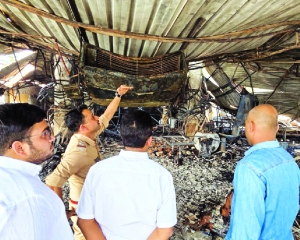
The demonstrations, led primarily by students and activists, have shaken Nepal’s political establishment to its core. Monday’s protests turned particularly violent, with demonstrators storming Fovernment buildings, setting Parliament and leaders’ residences ablaze and clashing with security forces. The Government lifted the social media ban late Monday night, but the move came too late to defuse public anger.
Facing an unstoppable wave of protests, Prime Minister KP Sharma Oli resigned late Monday — marking the second time in his political career that he has been forced out amid public dissent.
Karki, known for her zero-tolerance stance on corruption, is viewed by many in the protest movement as a symbol of integrity and justice. Her selection marks a rare moment in Nepalese politics where citizen power, particularly from the youth, directly influenced the appointment of national leadership.
“We wanted someone who represents justice, not politics,” said a 22-year-old protestors. “This is a victory for the youth of Nepal.”
In the wake of the unrest, the Nepal Army has assumed control of national security. Curfews were imposed across multiple districts, and military personnel now patrol major streets and Government installations. There are growing concerns about military overreach, but the army insists its role is limited to restoring law and order.
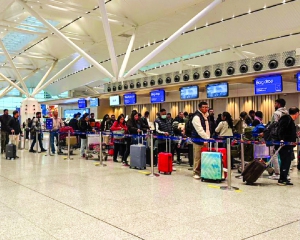
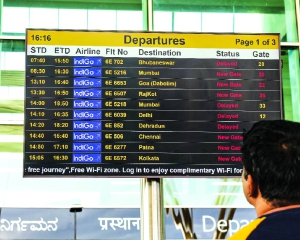
The unrest has drawn regional concern. The Indian Government has issued an advisory, urging Indian nationals in Nepal to remain indoors. Several Indian airlines have suspended flights to and from Kathmandu amid the unrest.
International observers have called for restraint and a peaceful transition. The United Nations has urged the interim Government to engage with protesters and restore democratic order.
The coming weeks will test Nepal’s fragile democracy as the interim administration, under Sushila Karki, attempts to stabilise the country, begin political reforms, and potentially pave the way for fresh elections. Protesters have vowed to remain vigilant, insisting that this is only the beginning of a “new Nepal” shaped by accountability, transparency, and youth participation.
For now, the Himalayan nation remains under military oversight, but its leadership has passed-at least temporarily-into the hands of a former judge chosen by the people.