




The ongoing parliamentary debate on Vande Mataram has been framed around a significant milestone — the 150th anniversary of the song’s first publication in 1875. To commemorate the occasion, Parliament scheduled a special discussion: a ten-hour session in the Lok Sabha on 8 December 2025 and a corresponding debate in the Rajya Sabha the next day. The purpose of this rare, extended sitting is not merely ceremonial. It is meant to revisit the song’s historic journey, its cultural weight, its place in India’s freedom movement, and its relevance in a rapidly changing national landscape.
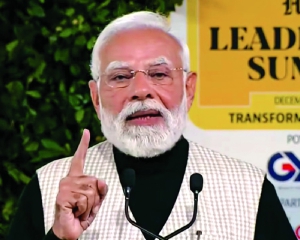
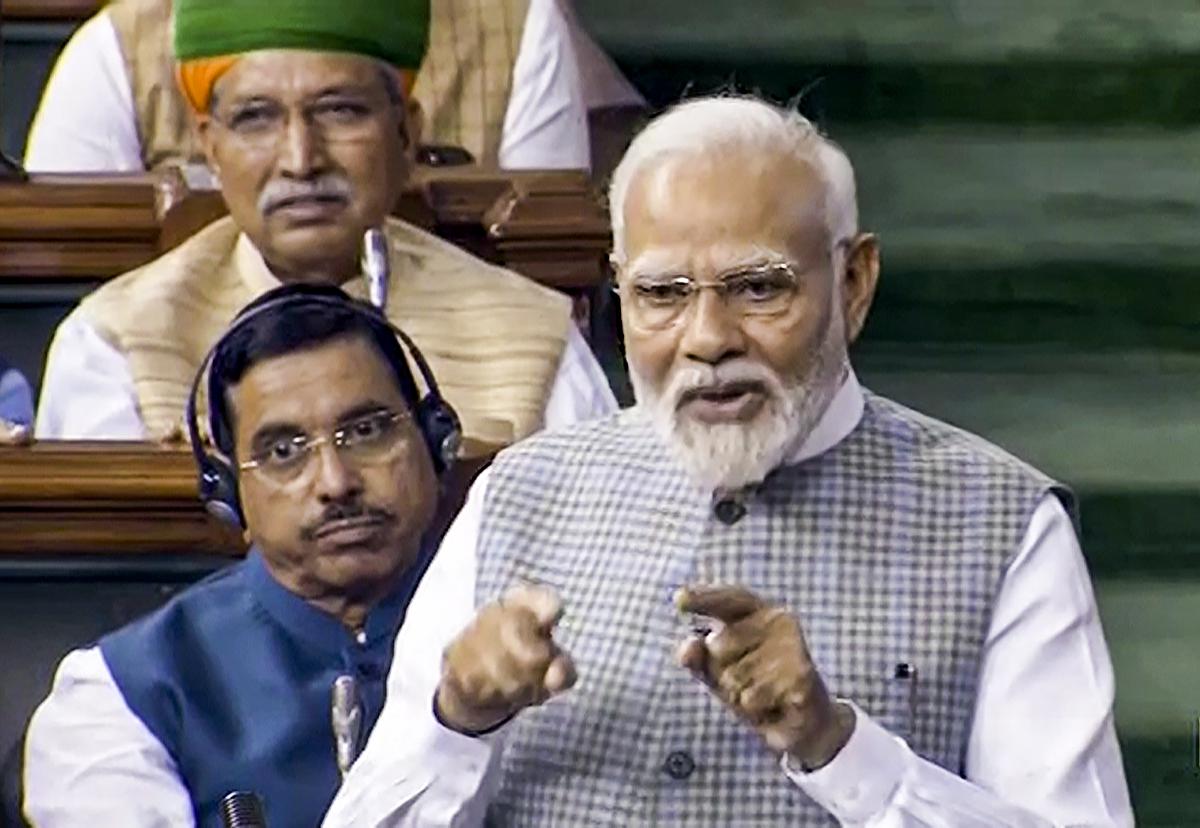
Prime Minister Narendra Modi opened the debate at noon on December 8, setting its tenor and direction. In his address, he described Vande Mataram as far more than a patriotic composition — calling it a civilizational force that united Indians during colonial rule and continues to embody the idea of national unity. He used the moment to critique what he termed a legacy of “appeasement,” pointing to the 1937 decision to accept only select stanzas of the original composition under political pressure. Modi framed this as a historical compromise that diluted the song’s spirit, and urged that the ideals embedded in Vande Mataram should inspire India’s march toward “Viksit Bharat 2047.”
The political contestation surrounding the song formed the next layer of the debate. At its core lies the question of whether Parliament should embrace the entire original text — including verses with religious imagery — or continue with the neutral, widely accepted stanzas. For the ruling NDA, the issue is symbolic of a larger push to reclaim cultural heritage and correct what it sees as past political hesitations. The opposition, particularly the Congress, views the matter differently. With several Congress MPs — including Gaurav Gogoi and Priyanka Gandhi Vadra — set to speak, the party appears prepared to defend the historical decisions taken by earlier leaders while presenting an alternative reading grounded in pluralism.
This makes the debate a high-stakes moment for all sides. An overly rigid stance risks alienating communities; an overly cautious one may be portrayed as disrespect to national sentiment. Ultimately, the discussion illuminates a larger set of unresolved questions: what national symbols should represent in a diverse society, how historical choices must be interpreted today, and what role Parliament should play in shaping cultural narratives.
The debate has only begun, yet it has already underlined the enduring emotional and political power of Vande Mataram — a song that continues to define, challenge, and inspire the idea of India.