What we eat at work or at home quietly defines our long-term health. This special National Nutrition Week feature brings you expert insights, hacks and facts to inspire smarter eating, writes ABHI SINGHAL
For years, conversations around health have revolved around nutrition, yet for many of us it remains more of a talking point than a practice. We know that what we eat shapes our immunity and energy but in the rush of modern life, balanced diets are often sidelined by convenience foods and quick fixes. It is time to move beyond awareness and truly bring nutrition onto our plates, every single day. National Nutrition Week, observed from September 1-7, is a reminder of this very need. Launched in India in 1982, it highlights the importance of eating balanced meals, making mindful choices and embracing local, seasonal, and sustainable foods. This year experts urge us to rediscover traditional wisdom, prioritise fresh and home-cooked meals that can transform health in the long run.
Desi Superfoods
Indian kitchens are full of superfoods. Amla, moringa, and sesame are perfect examples. Amla is one of the richest natural sources of vitamin C, far more than most fruits we consume daily. Even so, most of us only encounter it as a seasonal pickle. The fiber in Amla berries helps in smoother bowel movements and it is used as a digestive stimulant. Amla juice in the morning, grated amla in chutneys, or even blending it into smoothies are some simple ways to make it part of everyday meals.
Moringa leaves can be added to dals, curries, or even powdered into soups and smoothies.
Sesame, or 'til', which is rich in calcium, iron, and healthy fats, is incredibly versatile. From sprinkling roasted seeds on salads to making chutneys, laddoos, or simply using sesame oil in cooking, it's an easy way to boost nutrition.
Misconceptions about imported superfoods vs. local options
There are misconceptions that imported superfoods are superior, but our local options match them in nutrition. For instance, chia seeds may be trending, but sabja (basil seeds) from our own kitchens offer similar benefits. Likewise, quinoa is popular, but our traditional millets are equally rich in protein and fibre.
Healthy Choices at Work
When we talk about food and health, attention often turns to homes and schools, but the workplace is an equally critical setting where food choices shape health. Long hours, deadlines, and back-to-back meetings have made eating at the desk or even skipping meals a common practice among corporate workers. While this may seem harmless, experts warn it can contribute to digestive issues, lowered immunity and weight fluctuations.
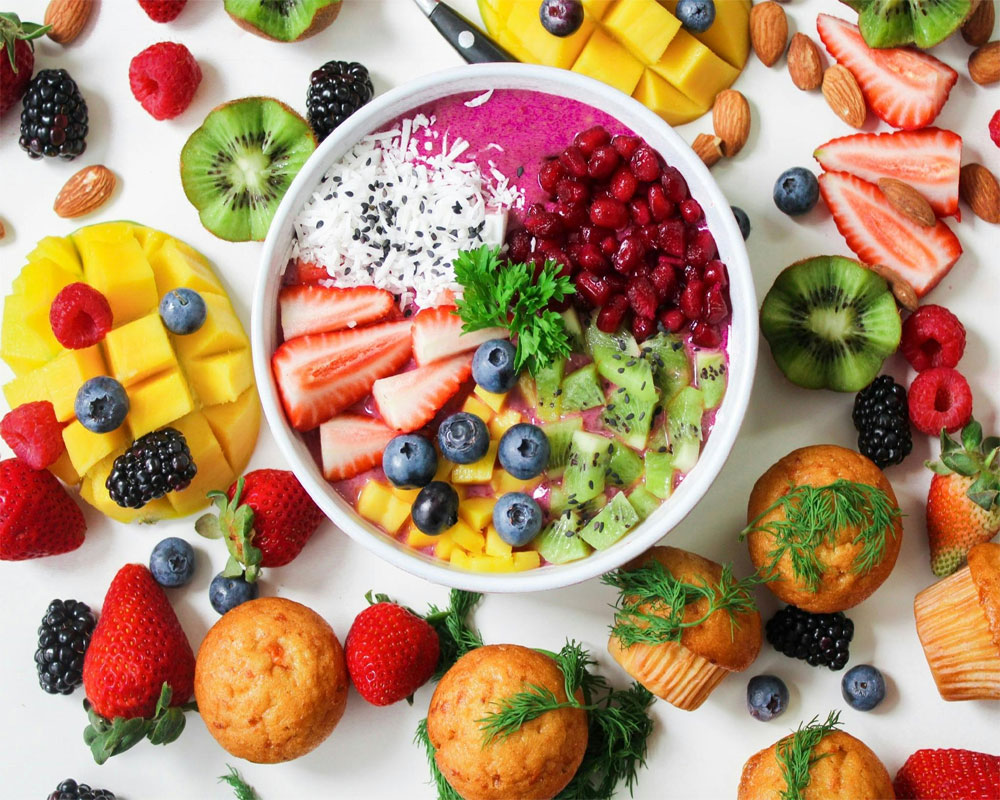
Instead of reaching for fried snacks, sugary treats, or endless cups of coffee, the ideal workplace fuel lies in simple, balanced alternatives. Fresh fruits, roasted chana, sprouts, yoghurt with seeds, or a handful of nuts provide sustained energy without the sugar crash. Even homemade poha or upma can be a healthier choice than a packet of chips. Hydration, too, is often overlooked in corporate culture. Many workers replace water with caffeinated drinks, which can dehydrate the body and strain digestion. Doctors recommend keeping a water bottle at the desk and sipping throughout the day.
— Inputs by Pariksha Rao, Director, Nutrition & Medical Affairs at The Good Bug
Myths vs Facts
When it comes to nutrition, myths often travel faster than facts. To mark National Nutrition Week the expert clears the air on some of the most common food misconceptions.
Myth: Consuming rice at night leads to weight gain.
Fact: It is not entirely true. The rice should be eaten in correct amount. Boiled rice are very light and gentle on the digestive system. The actual issue is overeating or consuming fried rice.
Myth: Carbohydrates are unhealthy and bad for weight.
Fact: Carbohydrates such as roti, rice, idli, or poha are not unhealthy. Our Indian food is inherently carb-rich and they provide energy.
The focus should be on using whole grains instead of refined grains.
Myth: Fruits should not be consumed in the night.
Fact: Fruits can be consumed at night as well. They are far better than fried foods or chocolates. However, they should not be overeaten or too much acidic in nature.
Myth: Ghee should be avoided.
Fact: Desi ghee in small quantities is beneficial — it is known to help with digestion, immunity, and even joints. However, ghee should not be excessively used in cooking.
Myth: To lose weight one should only eat salads and boiled food.
Fact: This is not true, at least in the Indian context because Indian home cooked food such as dal, roti, vegetables, thepla, steamed idli can all help in weight loss. However, they should be prepared in less oil and consumed in proper proportions.
Myth: Drinking warm water with lemon or jeera burns belly fat.
Fact: Lemon or jeera in warm certainly help with digestion. However, their impact in burning belly fat is debatable on other factors.
Fact about cold foods
Eating curd and banana do not cause cold or cough in healthy individuals. However, those with respiratory problems or temporary cold, cough should avoid eating cold foods until they recover.
— Inputs by Dr Komal Malik, Head Dietician, Asian Hospital
Healthy Snacking for Kids
Snacking is important for children. It gives them energy, helps them grow, and keeps them stay focused in school. But many kids regularly eat junk food. While these foods are easy to find and taste good, they lack the nutrients kids need for growth, and also contain high amounts of salt, sugar and unhealthy fats.
Smart Alternatives to Junk Food
Eat Fresh Fruits Instead of Candy: Fruits like apples, bananas, and oranges naturally satisfy a sweet tooth while providing fiber, vitamins, and antioxidants. Cutting them into fun shapes in fruit salads can make them more appealing.
Nuts and Seeds Instead of Chips: Almonds, walnuts, sunflower seeds, or pumpkin seeds are crunchy, filling, and rich in protein and healthy fats. For younger children, ensure nuts are given in safe forms (like powdered or soaked) to avoid choking risks.
Homemade Popcorn Instead of Packaged Snacks: Air-popped popcorn, lightly seasoned with herbs, is a whole-grain snack that's far healthier than packaged chips or fried snacks.
Yogurt with Toppings Instead of Ice Cream: Plain yogurt topped with fresh fruit, honey, or granola makes a delicious and calcium-rich snack that supports bones.
Whole-Grain Sandwiches Instead of Fried Snacks: A small sandwich made with whole-grain bread, vegetables, and a protein source like egg, paneer, or hummus can be both tasty and nutritious.
— Inputs by Dr Srishti Goyal, Consultant Dietician, Ujala Cygnus Group of Hospitals