The biotech industry is looking for a ‘booster’ dose in the form of a Research-Linked Incentive scheme in the Union Budget
India’s fledgling biotechnology has started the year 2022 on a very happy note with the nation honouring three of its vaccine stalwarts with the prestigious Padma Bhushan award, announced on the eve of our 73rd Republic Day. I am doubly happy because these pioneers are also esteemed members of ABLE (Association of Biotechnology Led Enterprises).
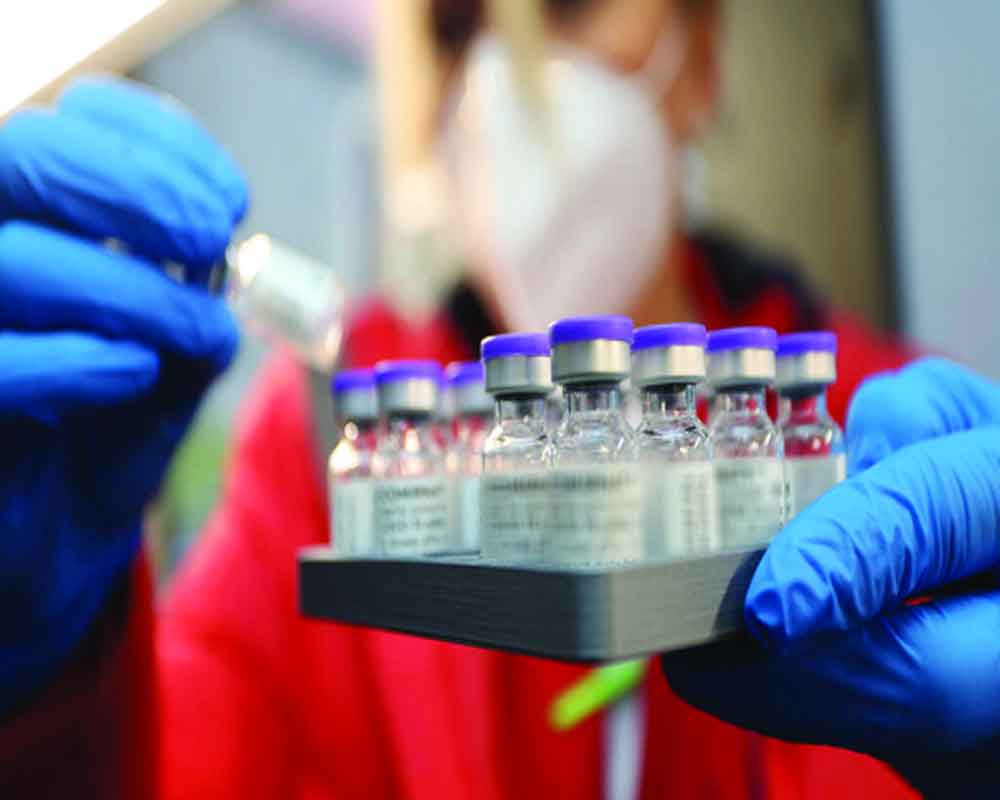
Dr Cyrus Poonawalla founded Serum Institute in 1961 and it is already the world’s largest vaccine manufacturer. And co-founded by Dr Krishna Ella and Suchitra Ella in 1996, Bharat Biotech International is another home-grown, global-level vaccine manufacturer. Between them, these two ABLE members have delivered more than 1.5 billion doses of Covid vaccines to the country and many more millions to the global community. What is even remarkable is that of the 10 billion doses of Covid-19 vaccines administered globally, almost 20 per cent have come from India. Serum Institute produces in one month in Pune what AstraZeneca’s 24 other global manufacturing sites do in three months. That is the dominance of India’s vaccine manufacturing prowess.
Even more important is the government regulator’s decision to allow sale of Covishield (Serum Institute) and Covaxin (Bharat Biotech) in the open market. So far there were restrictions on access to these vaccines except through the hospital network. Now that the country is producing more than 30 million doses of these two vaccines every month, this decision, even with many conditions attached, should increase access to the vaccines that many people want to take as booster doses. The industry also looks forward to quick emergency use approval of home-made Covid-19 vaccines to more age groups of children. It is very important that our children get back to their school as early as possible and resume their normal lives after two years.
While the nation has started taking booster doses of Covid-19 vaccines as a ‘precautionary doseâ€, the biotech industry itself is looking for a Booster dose in the form of a Research-Linked Incentive (RLI) scheme in the forthcoming Union Budget on February 1, 2022. The industry has been making a strong case of such an RLI scheme on the lines of the PLI (Production Linked Incentive) in operation for a wide range of manufacturing industrial sectors. This is very important because, as the Covid-19 pandemic has demonstrated, the country’s innovative biotechnology industry should be incentivized to make large scale investments in research, development and biological manufacturing. This alone can help the nation face the next pandemic with confidence and will be just an extension of the Atmanirbhar (self-reliance initiative) to prepare India for all future health emergencies.
Why is this important at this stage? Explained ABLE’s non-executive chairperson Dr Kiran Mazumdar-Shaw: “The business activities of the pharmaceutical and biotech industry are composed of several elements: research and development (R&D), regulatory submission and launch, manufacturing sales and marketing (S&M), return on investment and reinvestment. To maintain sustainable growth, pharmaceutical companies must increase income (i.e., total sales) through a continuous pipeline of novel drugs and optimize expenditures (e.g., R&D, manufacturing, S&M) through increased productivity. The development of IND is patient centric based on safety and efficacy of clinical trials which have long gestation periods coupled with high risk of investment to meet positive outcomes and regulatory approval of a new drug which has been steadily compounding over the last few years.â€
As an industry we are hopeful that Finance MinisterNirmala Sitharaman will respond to the pleas of the sector made to her at a special meeting in July 2021 in Bengaluru.
In 2022, the biotechnology industry is looking forward to another set of regulatory reforms long pending in the form of the Biological Diversity (Amendment) Bill 2021. The original Act, enacted in 2002, had several clauses that were detrimental to increased innovations in the biotech sector relying on use of India’s vast reserves of biological resources. The Narendra Modi government has listened to the desperate appeals from the industry and incorporated a wide range of suggestions to the Bill and presented it to Parliament in December. The Bill is being studied by a Joint Committee under the Chairmanship of Dr Sanjay Jaiswal, MP, and has sought industry and other stakeholder suggestions to the various amendments already incorporated in the Bill. The biotech industry is optimistic that the much-awaited amendments to this important legislation will finally become a reality in 2022.
(The writer is the Chief Operating Office of Association of Biotechnology Led Enterprises(ABLE). The views are personal.)