




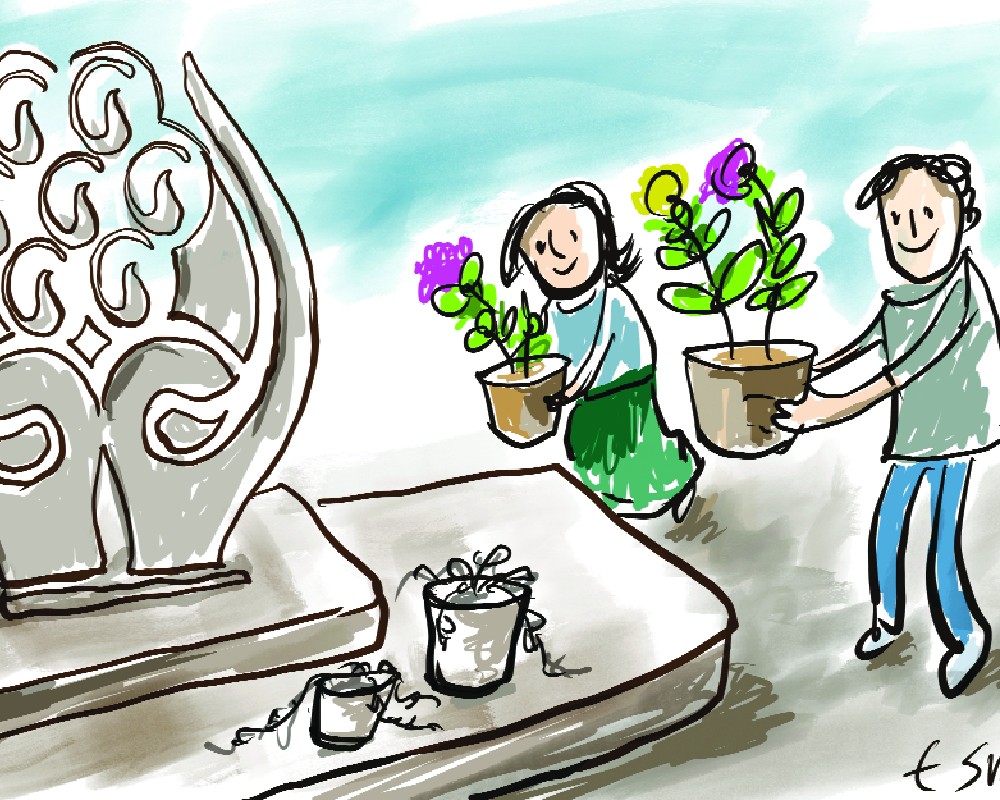
Forty years ago, on a December morning in 1985, South Asia embarked on an ambitious experiment. Seven neighbours — united by shared histories yet separated by borders, suspicion and political complications —- met in Dhaka to outline a collective vision for peace, prosperity and cooperation. The South Asian Association for Regional Cooperation (SAARC) emerged from that hope, designed to transcend bilateral tensions and forge a regional identity grounded in development. Four decades later, that optimism feels remote. The organisation has been effectively frozen since 2014, its institutional vitality drained by enduring political hostilities. Yet, paradoxically, the idea of SAARC is more essential today than ever. The phrase “SAARC is dead, long live SAARC” captures this duality: the institution may be dormant, but the logic of regional cooperation remains compelling.
South Asia itself embodies profound contradictions. It is home to nearly 40 per cent of the world’s democracies, each with its strengths and complexities. Afghanistan, Bangladesh, Bhutan, India, Maldives, Nepal, Pakistan and Sri Lanka together represent one of the most diverse political landscapes on earth. Bangladesh’s strides in poverty alleviation, Bhutan’s pioneering Gross National Happiness framework, Sri Lanka’s social indicators, Nepal’s federal evolution, Maldives’ climate resilience, Pakistan’s active civil society, Afghanistan’s enduring cultural heritage and India’s unmatched electoral scale all testify to a region rich in innovation and vitality.
To see South Asia only through the prism of conflict is to overlook its immense civilisational, demographic and strategic advantages. This potential, however, has been consistently undermined by geopolitical mistrust, particularly between India and Pakistan. SAARC’s stagnation is rooted in this unresolved hostility. Without political trust at the highest level, regional structures lose momentum. The cost of this paralysis has been significant. South Asia remains among the least economically integrated regions in the world. Intra-regional trade hovers around a mere 5 per cent, compared with ASEAN’s over 25 per cent. High tariffs, rigid borders and bureaucratic obstacles have stifled the movement of goods, services and ideas that could dramatically uplift the region.
Against this backdrop, the South Asian Free Trade Area (SAFTA) deserves renewed focus. Operational since 2006, SAFTA was designed to dismantle tariff and non-tariff barriers and build a seamless regional market. Fully implemented, it could transform South Asia economically by strengthening supply chains, reducing logistics costs and opening vast new opportunities for employment and investment. The stakes are large: nearly 736 million South Asians still live in extreme poverty. Global comparisons illustrate what is possible. The African Continental Free Trade Area is projected to raise Africa’s regional income by 7 per cent and lift 30 million people out of extreme poverty by 2035. With its larger consumer base and energetic private sector, South Asia could achieve even more if SAFTA were revived with genuine political commitment.
But cooperation must extend beyond trade. South Asia’s civilisational heritage — Hinduism, Buddhism and Sufi traditions — offers a reservoir of cultural connections that can be harnessed to rebuild trust even when politics stagnates. India’s soft power initiatives, such as the Buddhist Circuit, the revival of Nalanda University, the International Solar Alliance and the International Big Cat Alliance, create platforms that transcend political divides. These efforts draw on the ethos of Vasudhaiva Kutumbakam — the world is one family — and demonstrate that meaningful regional collaboration does not always require formal institutional momentum.
India’s neighbourhood-first policy has, in many ways, kept the idea of SAARC alive. The South Asia Satellite exemplified technological cooperation, supporting communication and disaster management across the region. India’s vaccine diplomacy during the COVID-19 pandemic further highlighted its role as a regional first responder. When global supply chains collapsed, India supplied vaccines and essential medical aid to Nepal, Sri Lanka, Maldives, Bangladesh and other neighbours. More recently, India’s rapid assistance during the Sri Lankan floods under Operation Sagar Bandhu reaffirmed its consistent commitment to regional humanitarian support. Such gestures cannot replace formal diplomacy, but they help rebuild trust and demonstrate the tangible value of cooperation.
Every member of SAARC, however, must recognise what is lost by leaving the organisation dormant. South Asia faces shared, transnational problems — climate change, water scarcity, terrorism, cybercrime, unemployment and migration — that no country can solve alone. The Shanghai Cooperation Organisation’s Regional Anti-Terrorist Structure provides a useful example of how coordinated security cooperation strengthens collective resilience. A comparable mechanism within SAARC could enhance intelligence-sharing and counter-terrorism efforts at a moment when radicalisation and cyber threats are growing.
Equally significant is the demographic challenge. South Asia has the world’s largest youth population, with nearly 100,000 people entering the labour force each day, yet UNICEF estimates that more than half will lack the skills needed for employment by 2030. Without regional frameworks for mobility, innovation, skilling and academic exchange, this demographic dividend could be squandered, even though instruments such as the dormant SAARC Youth Charter offer a ready framework for collaboration.
A reimagined SAARC must also prioritise mobility. Visa liberalisation, academic exchanges, cross-border tourism and digital corridors can revive cultural linkages and unlock economic potential. Drawing on Europe’s multiple-entry visas or ASEAN’s reciprocal arrangements, South Asia could adopt Mutual Favourable Access to facilitate travel, study and business with transformative impact.
Ultimately, SAARC’s future may lie in redefining it as a flexible development platform focused on digital public goods, climate resilience, health networks and research collaboration. India’s digital governance tools — UPI, Aadhaar architecture, e-governance and tele-health —could anchor such a partnership, reaffirming a shared South Asian destiny rooted in cooperation, connectivity and collective prosperity.
Santhosh Mathew is a Professor at Puducherry University, and Inputs by Denny Thomas Vattakunnel; views are personal