Delhi Chief Minister Rekha Gupta has directed all city agencies to follow a single, standardised framework for road redevelopment. The framework will bring a shift in how the capital will build, maintain and coordinate civic work on its streets.
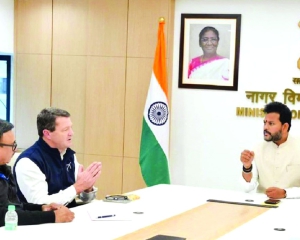
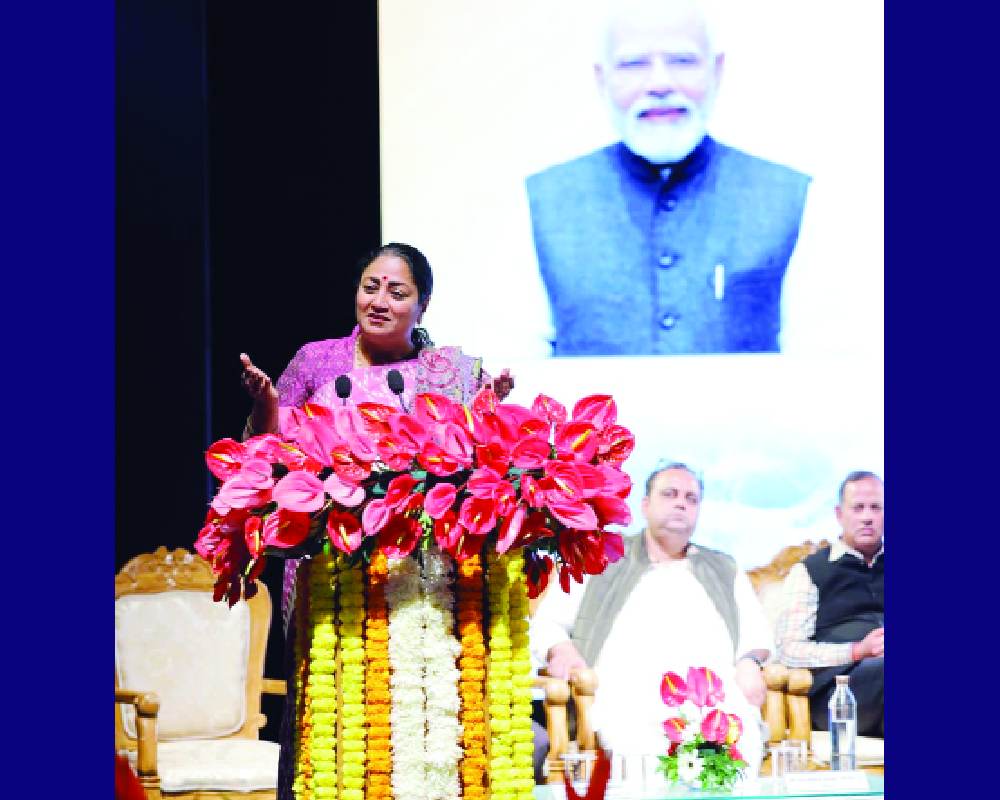
Chairing a review meeting at the Kedarnath Sahni Auditorium on Thursday, she told senior officials that Delhi can no longer afford scattered planning, repeated digging, and weak accountability across departments. She said the government is focused entirely on outcomes and that every agency will now be held responsible for timely, coordinated execution.
The Chief Minister said there is no shortage of funds for any project because the Centre has already provided substantial financial support. She asked all departments to submit their estimates for Delhi’s beautification.
The Chief Minister said officials must stop passing responsibility from one department to another and focus on solving ground-level problems. She added that issues such as waterlogging at Minto Bridge and the RK Puram underpass were resolved only when agencies worked together.
Senior officials from PWD, MCD, NDMC, DDA, Delhi Jal Board, Delhi Traffic Police and experts from CAQM, CSIR, the School of Planning and Architecture and the Raahgiri Foundation attended the meeting. They presented findings and suggestions on road infrastructure, urban design, drainage, pedestrian needs, traffic management and pollution control. Cabinet Ministers Pravesh Sahib Singh, Ashish Sood, Manjinder Singh Sirsa and others were also present.
The Chief Minister stressed that drains, footpaths, green buffers and road surfaces can only improve when engineers take direct responsibility. She also said Delhi cannot progress without strong waste management and pollution control systems. She asked departments to prevent open burning, set up new biogas and green-waste facilities and ensure proper handling of wet waste. She said new public buildings must be designed to be green and self-sustaining and equipped with water harvesting, mist systems and anti-smog guns.
Cabinet Minister Pravesh Sahib Singh said the government has introduced several administrative reforms in the past nine months, but these reforms will only succeed if officers remain active and accountable.
He said delays happen because responsibility is often unclear within departments. He urged officials to avoid unnecessary dependence on third-party agencies and work with complete honesty to make Delhi cleaner and more organised.
Cabinet Minister Manjinder Singh Sirsa said reducing road dust is a top priority because it becomes a major contributor to pollution in winter. He said the government aims to steadily bring down the share of road dust in Delhi’s air pollution and that large-scale cleaning drives are already underway as part of the Winter Action Plan.
During the meeting, the Chief Minister issued key instructions to ensure that all agencies work under the same redevelopment standards. Before any road work, departments must map electricity, telecom, gas and water pipelines and use common utility ducts wherever possible. Once a road is rebuilt, excavation will be allowed only in emergencies. Roads must be constructed wall-to-wall with strong footpaths and durable edges. Complaints about potholes must be resolved within 24 to 48 hours.
The government has also mandated strict dust-control measures. Machines must be used for cleaning wherever possible, and manual sweeping will fill gaps. Waste, debris and roadside dust must be cleared daily. Barricading, water sprinkling and covering of debris will be compulsory during construction and repairs. To prioritise pedestrian comfort, the Chief Minister directed that footpaths be wide, clean and free of obstructions. Crossings must be clearly marked, lighting must be adequate and central verges must be well maintained. Every redevelopment project will be required to include organised greenery, proper street furniture and clean public spaces.