In a bid to streamline governance and make services faster and more citizen-friendly, Delhi will soon function with 13 revenue districts instead of 11 after the Delhi Cabinet approved one of the biggest administrative reorganisations in years.
The increase from 11 to 13 districts will be accompanied by an expansion in subdivisions from 33 to 39. To further support the restructuring, the Delhi Government will establish modern mini secretariats in all 13 districts. These buildings will house multiple departments under one roof, including the offices of the SDM, ADM, Tehsildar, Sub-Registrar and other public-facing branches.
“The move is being projected as a citizen-centric overhaul that will streamline access to government services, reduce confusion over jurisdiction, and bring governance physically and administratively closer to residents across the Capital.
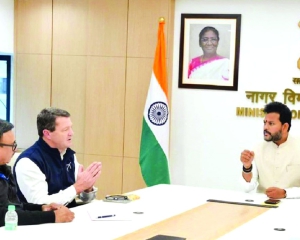
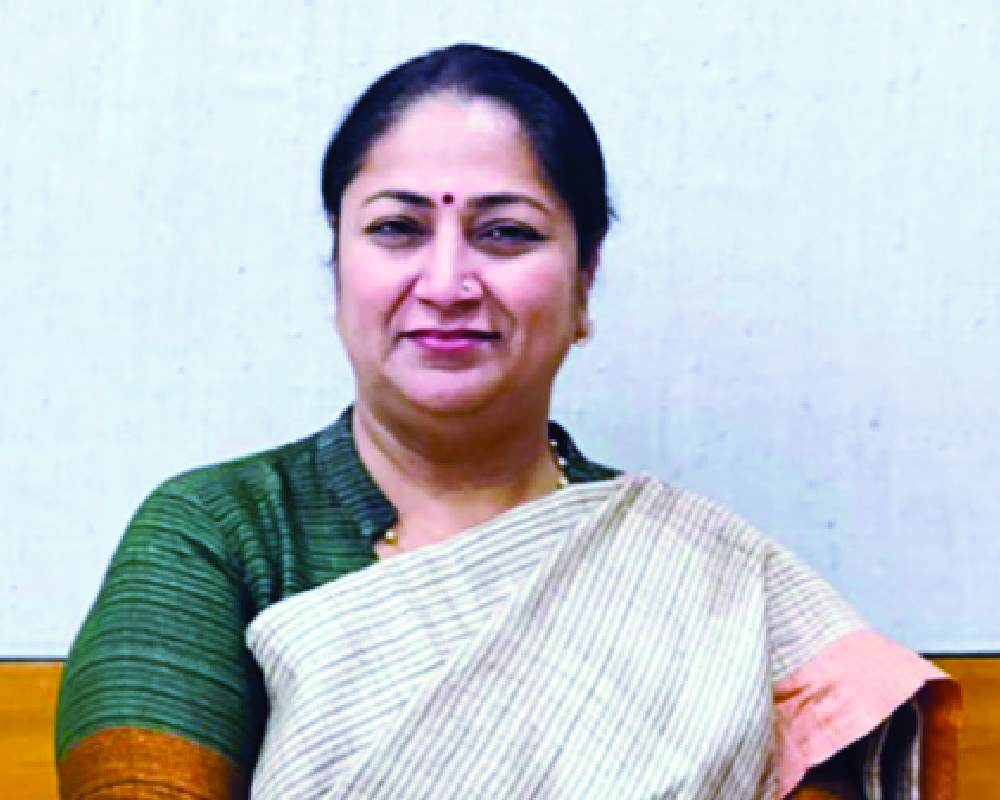
After the reorganisation, the boundaries of all 13 districts will fully align with those of the MCD, NDMC, and the Delhi Cantonment Board, bringing clarity to governance and improving inter-departmental coordination. This will help balance the workload of officials and deliver services to citizens more quickly,” Chief Minister Rekha Gupta said after the cabinet decision.
In the South East district, Jangpura, Kalkaji and Badarpur will come, in the Old Delhi district, Sadar Bazar and Chandni Chowk will come, in the North district, Burari, Adarsh Nagar and Badli will come, in the New Delhi district, Delhi Cantt and New Delhi will come, in the Central Patel Nagar and Karol Bagh will come, in the Central District, Sakur Basti, Shalimar Bagh and Model Town will come and in the South West district, Najafgarh, Matiala, Dwarka and Bijwasan sub-division will come.
Similarly, in the Outer North district, Mundka, Narela Bawana subdivisions will come, in the North West district, Kirari, Nangloi Jat and Rohini subdivisions will come, in the North East district, Karawal Nagar, Gokal Puri, Yamuna Vihar and Shahdara will come, in the East district, Gandhi Nagar, Vishwas Nagar and Patparganj will come, in the South district, Chhatarpur, Malviya Nagar, Deoli and Mehrauli will come and in the West district, Vikaspuri, Janakpuri and Rajouri Garden subdivisions will come.
One of the most important elements of the reform is the alignment of revenue districts with municipal limits. For the first time, the boundaries of the revenue department will fully match those of the Municipal Corporation of Delhi, the New Delhi Municipal Council, and the Delhi Cantonment Board. This alignment is expected to eliminate the administrative overlap that has confused citizens and slowed public services. The government said this change will help departments coordinate better, reduce paperwork, ease the movement of files, and create a single, unified jurisdiction for each resident.
The Chief Minister said the change will directly ease the daily burden on citizens who often struggle to navigate overlapping boundaries between revenue districts and municipal bodies. She said this is a reform many governments had avoided despite long-standing public inconvenience. “No previous government addressed this long-pending task. Our government has done it in 10 months. This is good governance in action,” she said.
“Delhi has grown rapidly, but the administrative map has not kept pace. Population growth, urban expansion, rising construction, and increasing complexity of civic services have made the old district boundaries inefficient. Many residents found themselves living in one revenue district, paying taxes in another jurisdiction, and seeking services from offices located far away. This mismatch resulted in delays for simple tasks such as land mutation, property registration, caste and income certificates, and the resolution of civic complaints. Officials said the new structure will allow district administrations to focus on smaller, more balanced territories, which will improve the speed and quality of services,” she said.
The government argued that this will make the district administration more responsive because officers will have fewer cases to handle and will be able to focus on local needs more effectively. Smaller jurisdictions, the government believes, translate into quicker turnaround times and easier monitoring of service delivery. Residents may no longer have to travel long distances to submit documents or follow up on applications, a problem that was especially severe in outer and semi-urban areas.
Property registration, long seen as one of the most cumbersome processes for citizens, will also see a major change. The number of Sub-Registrar Offices will increase from 22 to 39, so that each subdivision will have its own office. Officials said that property owners often had to deal with overcrowded offices serving large populations and sometimes travel to another district for registration. With the new layout, citizens will get proximity, shorter queues, quicker verification, and faster issuance of documents.
The government said after the restructuring of districts, departments will coordinate more efficiently during floods, fires and other emergencies. Land records will be updated and digitised more easily, reducing disputes.
The last time new districts were created was in September 2012, when South-East Delhi and Shahdara were carved out. The current restructuring will require a major redraw of Delhi’s administrative map. It may involve adding or excluding villages and localities, with the names of new districts likely linked to the areas or MCD zones they represent.
The move is being projected as a citizen-centric overhaul that will streamline access to Government services, reduce confusion over jurisdiction, and bring governance physically and administratively closer to residents across the Capital
— Rekha Gupta, Chief Minister