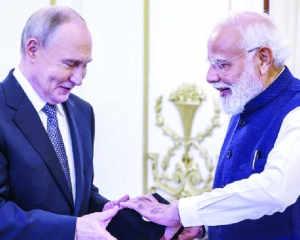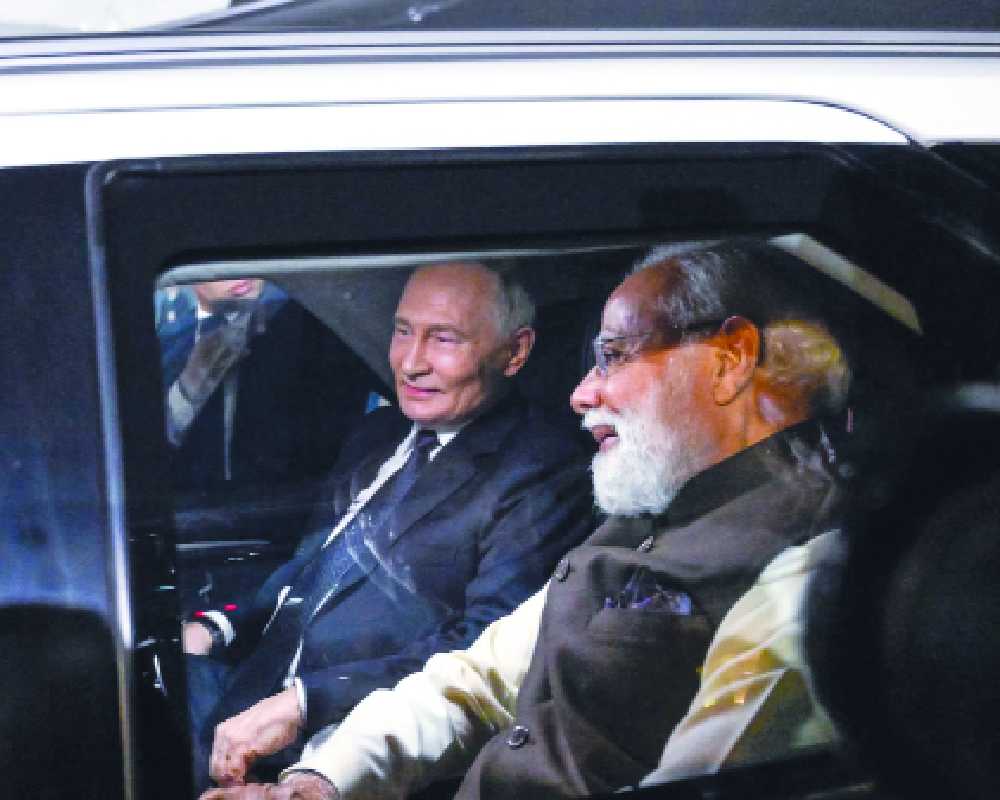
When Vladimir Putin stepped down from his aircraft in New Delhi on the afternoon of December 4th, 2025, the moment felt almost symbolic. The world today is anything but settled - Europe still burns with conflict, the United States continues to tighten sanctions, Beijing expands its strategic ambitions, and global alliances are beginning to look like the chessboard of a new Cold War. Yet, there on Indian soil, two leaders greeted each other with familiarity, not caution. Prime Minister Narendra Modi’s decision to personally receive President Putin, and later accompany him in the same vehicle, was a message written not in language but in gesture: India and Russia still trust each other, despite the storm outside.
We have watched the India-Russia relationship evolve for decades - from the days of Soviet camaraderie when every defence installation in India seemed to carry Cyrillic markings, to the more uncertain period after the Soviet collapse, and now into this new era where India is no longer a passive customer, but an assertive nation charting its own destiny. This summit, the 23rd India-Russia Annual Summit, did not simply acknowledge that relationship - it renewed and reshaped it. The defence discussions were among the most consequential. Russia remains one of India’s oldest and most dependable military partners.
The MiGs and Sukhois that roar over our skies, the T-90 tanks that guard our borders, and even the S-400 systems now protecting our strategic installations - all of these are reminders of how deeply intertwined the two nations’ security frameworks are. What made this summit different was a new tone: the shift from buyer-seller to co-developer. I am told Russian officials privately reassured their Indian counterparts that Moscow is willing to open access to technologies that were once held back, and that Russia sees India as a long-term defence partner capable of building, not merely purchasing.
On energy, Putin’s calm but firm declaration that Russia will continue to supply India with oil “without interruption” stood out. It was a direct counter to the pressure India has faced from Washington and European capitals ever since the war in Ukraine escalated. The truth is simple: India cannot compromise energy security because another part of the world is at war. Cheap Russian crude stabilized India’s energy market when global oil prices went wild - a fact ordinary citizens may not realize, but policymakers cannot forget.
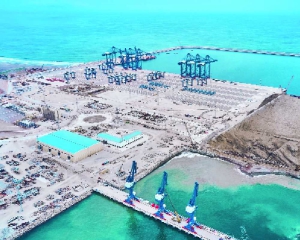
Equally significant were the discussions on building a diversified economic roadmap. In the closed-door interactions, Indian negotiators emphasised the imbalance in trade: India imports far more than it exports. For the first time in years, both sides agreed that the economic basket must expand - into sectors such as heavy engineering, manufacturing, fertilizers, skilled labour mobility, ports, shipping lanes, and even digital payments. The idea of a payment system insulated from sanctions - using local currencies - was not just economics. It was strategy.
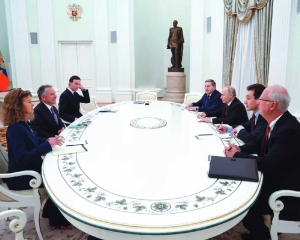
Another moment worth noting came during the leaders’ joint statement at Hyderabad House. Modi did not explicitly mention Ukraine, yet his reminder that “peace and diplomacy remain the only viable path” was not lost on anyone in the room. Putin, for his part, responded not with defensiveness, but with controlled pragmatism - signalling that Russia understands India’s diplomatic balancing act and respects it. For the United States, this summit will be read carefully. Washington has grown accustomed to India’s partnership - be it in the Indo-Pacific, QUAD, defence cooperation, semiconductor supply chains, or intelligence sharing.
But India’s relationship with Russia predates many of its modern partnerships. It is built on decades of reliability, shared technology, and geopolitical trust that did not disappear even when Moscow grew closer to Beijing. That continuity matters - especially for a nation like India, which seeks strategic autonomy and not alliance dependency.
Does this visit change the trajectory of the Russia-Ukraine war? Not directly. It does, however, weaken the Western attempt to make Russia a pariah state. For Moscow, having India publicly reaffirm the partnership at a time when many nations are cautious is not a minor achievement - it is geopolitical oxygen. Looking ahead, what does this summit mean for India?
If both sides follow through, India could emerge not just as a military and economic partner of Russia, but as one of the pivotal powers shaping the emerging multipolar order. The infrastructure corridors discussed - from the Northern Sea Route to the Chennai-Vladivostok maritime link - could reshape India’s access to the Arctic, East Asia, and Eurasia. Co-manufactured defence platforms could strengthen India’s capabilities and reduce dependence on Western suppliers vulnerable to sanctions and political conditionality. Continued access to Russian energy, nuclear cooperation, and joint technical research could bolster India’s long-term capacities - especially as its population and economy continue to expand.
Yet, caution is necessary. Implementation - not headlines - will define the true legacy of this visit. Agreements must become factories, production lines, shipping routes, training programs, and operational military assets. India must also ensure it remains balanced: no one partnership - Russian, American, or otherwise — should become a strategic crutch. In many ways, this summit tells us something deeper about India’s foreign policy evolution. India is no longer choosing sides — it is choosing itself.
And nations that choose themselves are the ones that shape history. Years from now, when scholars and diplomats revisit this moment, they may conclude that this was not just another leader-to-leader visit. It was an inflection point - when India proved, not through rhetoric but through action, that it will steer its path based on sovereignty, national interest, and long-term vision.The world may be dividing into camps again. India, instead, is building corridors. The author is the Former Director General of Police, Assam and General Secretary of the Think Tank Society to Harmonise Aspirations for Responsible Engagement-SHARE