Indian policy-makers and experts feel that the real gains of GST 2.0, and the subsequent price dips, will favour the middle class and the rich segment. Yes, grocery bills and normal household expenses will come down, as most products now attract zero and five per cent GST. But the impact on individual families, according to one estimate, will be less than `1,000 a month. Other predictions put the figure at `2,000-3,000 per month. The former may not enthuse many. The latter will satisfy lower-income households, with combined monthly salaries of `30,000 or less each. With savings of up to 10 per cent, the poor will feel happy.
However, the real and substantial impact will be on big-ticket items, which are generally purchased by the middle class and rich, even if these are one-time purchases that last from a few years to a lifetime. Such segments include automobiles, real estate (homes and property), and expensive personal and home appliances. The article in ‘Our Take’ on this page examines what is happening in the last category. According to reports, auto sales have taken off during the first few days of this festive season. We need to wait a while, possibly till October, to figure out what will happen in real estate. The hints are that sales may take off, especially in Tier II and III cities.
The reasons are obvious. As prices of inputs and finished products have come down, they are cheaper and affordable. Lower EMIs and discounts will provide a further fillip to sales. The festive season may continue till December, and even encompass the last quarter due to extra buying pressure in February (due to the Union Budget) and March (due to fiscal-end buying spree). Although the Reserve Bank of India did not cut interest rates last time, it did so several times earlier. The lag effect may ensure that the benefits begin to show in the third quarter of this fiscal. The latter will further lower EMIs. The combination will pull buyers to make decisions.
However, let us not get carried away with the current trends. While they indicate positive vibes related to the GST cuts, there are a few hidden factors. For the past few months, potential buyers have sat on decisions due to the US tariffs. They realised that if the Indian exports to the US are hit, manufacturers will need to sell more locally. They may offer deals and discounts. Since August 15, when Prime Minister Narendra Modi announced a double-Diwali bonanza related to GST, more purchasers decided to wait till Navratri. The economic and stock market uncertainty further tightened purse strings, especially among middle-class households. People felt more inclined to buy gold, or take loans against gold.
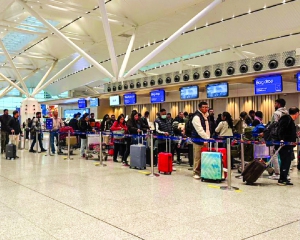
The result was a huge pent-up demand across segments and sectors. The buying-related animal spirits were suddenly unleashed in the past few days. Car makers sold tens of thousands of vehicles on the first day of Navratri. The sales of ACs, TVs and smartphones jumped wildly. There was a carnival-like atmosphere in shops, malls and markets. Everyone, well most of us, wanted to buy something or the other, even goods we did not want, due to lower prices. This demand will get satiated in a few days or weeks. The real test will be towards the end of October. Will this frenzy continue or subside? Apart from those who had postponed decisions, will new ones join the queue?
More importantly, most of the current news about festive frenzy is coming from online sales, and among urban households, even in cities like Ludhiana in Punjab. But they may not be the correct indicators to gauge overall demand and consumption trends. According to a recent study, online shopping was expected to grow by more than 100 per cent this season among urban households. The percentage of surveyed people who said that they would visit malls and markets dropped from 70 per cent in 2024 to 56 per cent this year. There is a substitution effect in action, from physical to online purchases. This may or may not result in overall higher purchases.
The same survey indicates that the total buying this festive season may be `2.19 lakh crore. Finance Minister Nirmala Sitharaman indicated a similar figure. In 2024, the estimate was `1.85 lakh crore, or a difference of less than 20 per cent. The GST cuts may make this kind of a difference, and only for a few weeks or months. If this momentum sustains, GST 2.0 will be a grand success. If it does not, it may fizzle out a bit. More importantly, one needs to see if the upward demand curve pushes private investments.