Less than a million Indian households, or less than a third of one per cent of the total, can claim themselves to be dollar-millionaires (net worth of `8.5 crore and above). The latest Mercedes-Benz Hurun India Wealth Report (2025) seemed excited as the country added 80,000 new millionaire-households in a year, and the total shot up by 90 per cent since 2021. “This marks a steady growth in the number of affluent families, which in turn reflects India’s expanding economy, stock market boom, and entrepreneurial ecosystem,” states a media report. The report lauds the fact that the new wealth creators, especially the younger and newer first-generation ones, recognise their wealth as signs of their personal expressions and experiences, rather than simply and pure-play accumulation.
This is exactly where it gets a bit tricky. The new-gen millionaires wish to spend, rather than save for a rainy day or an emergency, or invest to grow their money manifold. In fact, more than 50 per cent of the surveyed maintained that `10-50 crore was “enough” to attain financial freedom. This was the money that they wished to keep aside. This hints that they do not wish to save much for the next generation, except for a few physical assets and some investments. Like the older generation, the younger one also believes in the typical investment options such as stocks, real estate and gold.
Most of them wish to spend their wealth and enjoy it. Indeed, spending gives them happiness. A separate Mercedes-Benz Hurun India Luxury Consumer Survey (2025), which polled 150 members of dollar-millionaire households, highlights their life choices and brand affinities. Luxury cars (of course, Mercedes-Benz was one of them, which highlights an embedded conflict of interest), large houses (farm houses and villas), global experiential travel (exotic places), and fashion and lifestyle (expensive watches and apparel) seem to be the favourite expenditure options. Buying crypto and art are not deemed to be investments, but a way to acquire an elitist lifestyle, and prove that one has become an integral part of a section of society.
What the dollar-millionaires want to leave behind as legacies for the next generation, or the one after the next, is not wealth but maybe memories and means to acquire wealth on their own. The memory angle is evident from the fact that almost a third of their expenses are on travel, with another more than a fifth on entertainment. The mean angle is indicative from the fact that more than a quarter of the expenditure is on education. Hence, the wealthy hope to give an excellent education to their children and grandchildren, send them to the best schools and colleges across the world, and ensure that they acquire the knowledge and skills to make it big. Most of the rich, who are self-made individuals, want the next generation to do the same.
Given this propensity to spend, and not even save for their own families, logically leads us to another conclusion. The spending of the rich and wealthy on philanthropy is limited and restricted. While their businesses are mandated to spend a specific amount each year on corporate social responsibility (CSR) activities, their personal wealth is under tight control. To cite two examples, while the Nadar family (HCL Group) is the top donor (almost Rs 3,700 crore) in the education sector, the Mukesh Ambani family spends just over Rs 600 crore in the healthcare sector. While these amounts look large, they are puny compared to the dividends that these families earn on the shares they own in their companies. Coming down the wealth ladder, the donation amounts drop and whittle away.
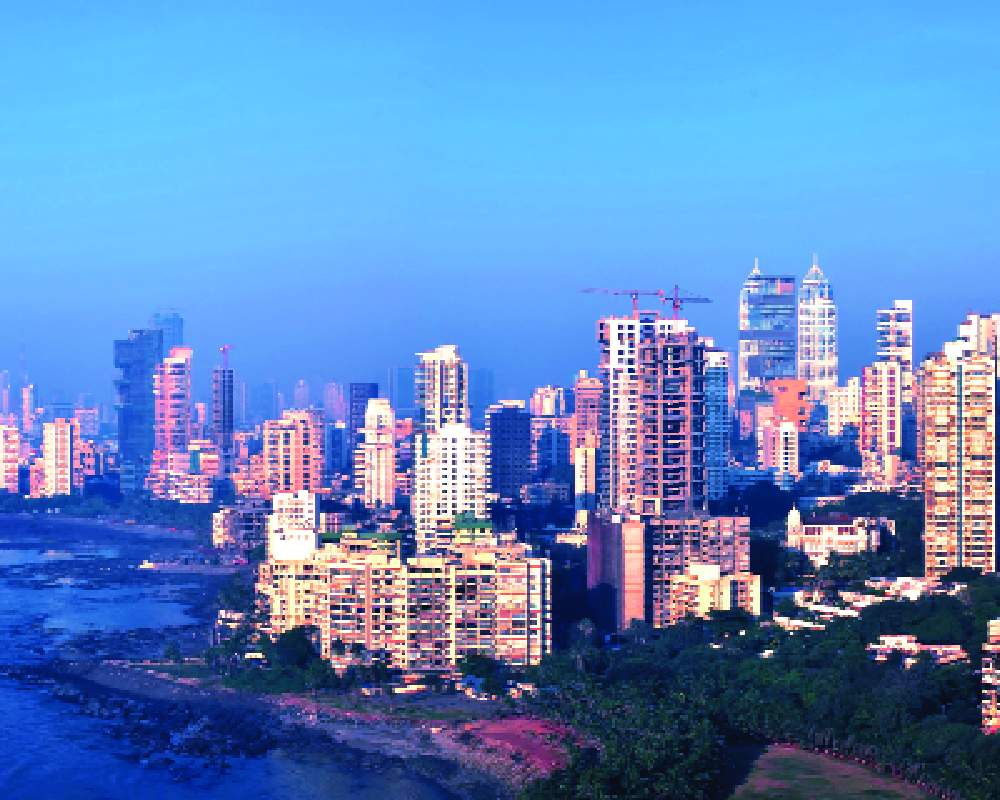
There is a geographical divide. A fifth of the dollar-millionaire families reside in Maharashtra. Another third live in four states of the National Capital Delhi, Tamil Nadu, Karnataka and Gujarat. These include the traditionally-rich states like Maharashtra, Gujarat and Delhi, and the more modern ones in the South, which have wooed private and foreign investments, and pursued progressive policies. The lucky-five states constitute more than 50 per cent of the families. This is indeed not-so-good news, as it indicates that the other states are yet to catch up. Let us be a bit optimistic and hope that the report failed to grasp the hidden wealth in the smaller states, where real estate is held in benami names, agricultural land is hidden for various reasons, and gold is rarely, if ever, disclosed.
Nations have figured out that the quantum of wealth, or the growing number of dollar-millionaires, is not indicative of progress, happiness, prosperity and improving lifestyles. Indeed, it can hint at the opposite: Inequality, limited progress, and restricted joys. The poor remain poor. The middle class remains full of desires and aspirations that remain unfulfilled. The rich become richer.