Cobalt road powder, a mining by-product, offers a surprising climate solution by capturing CO2 and improving soil health. This innovative approach merges environmental restoration with agricultural productivity, highlighting a sustainable path forward for farming and climate resilience in India
Climate change is driven mainly by the greenhouse gas emissions, especially CO2 produced from burning fossil fuel. One of the ways to address the same is to reduce our dependence on fossil fuels to meet energy needs. The other may be to utilise means to trap the CO2 by utilising the existing format of increasing plantation, protecting the forest as plants are the best to trap CO2 for photosynthesis.
Imagine a world where the waste from mining — a process often criticised for harming the environment — could help fight climate change and make our farms thrive and become more productive. That’s the exciting promise of cobalt road powder, a dusty by-product from cobalt mines that might just hold the key to capturing carbon dioxide (CO2) while giving farmers a boost in enhancing soil fertility and providing a sustainable solution for dealing with emerging challenges of climate change including aspects of pollution.
Why Cobalt Matters to Our Planet
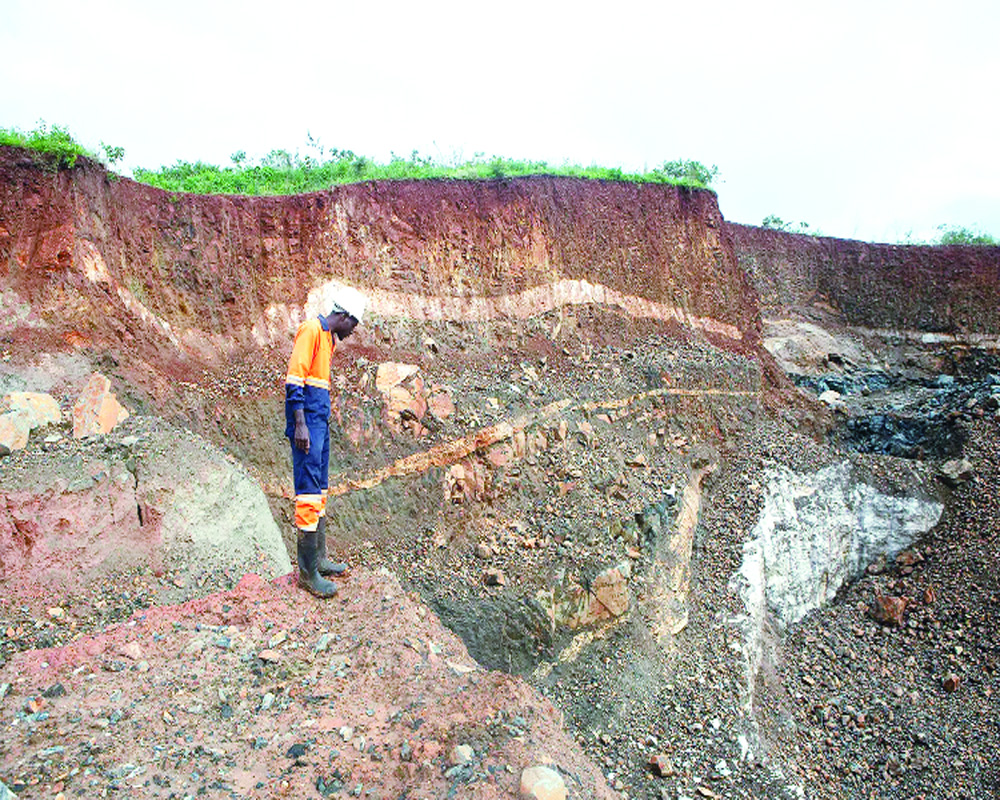
Cobalt is a superstar in the world of clean energy. It’s a key ingredient in the batteries that power electric cars, smartphones, and even the systems storing energy from solar panels and wind turbines. With the world racing toward a cleaner future, demand for cobalt is skyrocketing — experts say we might need twice as much as is available today in just a few years. But there’s a catch: cobalt mining, especially in places like the Democratic Republic of Congo (where over 66 per cent of the world’s supply comes from), can leave behind a messy environmental footprint, from polluted rivers to scarred landscapes.
That’s where cobalt road powder comes in. This fine, chalky material, left over from cobalt mining, isn’t just waste — it’s a potential gamechanger. By spreading it on farmland, we can trap CO2, improve soil health, and turn a problem into an opportunity.
Cobalt is one of the rare minerals mainly used in making lithium-ion batteries for electric vehicles. Recently rare minerals have been in news mainly due to China imposing restrictions in their supply to India and the US. Presently Congo supplies 66 per cent of cobalt requirements in the world — the raw material. However, it is China who dominates in being the largest in cobalt refining in the world though it gets the raw material — cobalt rock — from Congo.
India has significant estimated cobalt deposits of about 45 million tons in the state of Odisha, Jharkhand and Nagaland but the country requirement is entirely met through imports. These deposits have not been exploited so far. Vedanta group is the first to get the cobalt block in auction in year 2024 but exploration and extraction is yet to begin.
Not only from the perspective of criticality which cobalt occupies in view of the fact that our country is making effort to transition to electric mobility, cobalt mining waste (cobalt road powder) can also support in addressing another emerging challenge of pollution and soil fertility.
How Cobalt Road Powder Captures Carbon
Sprinkling a layer of cobalt road powder, which comes from the rocky leftovers of cobalt mines, across an agriculture field initiates the process of trapping of the atmospheric CO2. When it rains, this powder reacts with CO2 in the air, locking it away into stable compounds called carbonates. This process, called enhanced rock weathering (ERW), speeds up a natural reaction that normally takes centuries. The result — carbon is stored safely in the soil for hundreds or even thousands of years, helping to slow down climate change.
What makes cobalt road powder special is its makeup. It’s packed with minerals like magnesium and calcium silicates, which are like magnets for CO2. When they get wet, they capture CO2 from the atmosphere and turn it into something solid, like a natural carbon vault. This trapped CO2 besides enhancing the fertility, enhances the productivity. Also, in places near the coast, some of these compounds can wash into the ocean, helping to fight ocean acidification — a win-win for the environment.
A Boost for Farmers
Using cobalt road powder isn’t just about saving the planet — it’s also a gift to farmers. Here’s why:
Happier Soil: Many farms, especially in places like Uttarakhand where I’ve seen fields firsthand, struggle with acidic soils that make it hard for crops to grow. Cobalt road powder is naturally alkaline, so it can neutralise that acidity, making nutrients more available to plants. Healthier soil often means better harvests.
Carbon Storage: By locking CO2 into the ground, farmers can play a direct role in fighting climate change. Globally, processes like this already store about 0.3 billion metric tons of CO2 each year — roughly as much as a whole country like Poland emits.
Turning Waste into Wealth: Cobalt mines produce heaps of tailings that can pollute rivers if not handled properly. Using this powder on farms gives it a new purpose, cutting down on waste and creating a more sustainable mining industry.
Bonus Minerals: Some cobalt road powder might even contain tiny amounts of valuable minerals like nickel or cobalt itself. With the right techniques, these could be extracted, adding an economic perk for farmers or local communities.
The Challenges We Need to Tackle
I won’t sugar-coat it — there are hurdles to making this idea work on a large scale. Cobalt mining, especially in the Congo, often comes with serious issues, like water pollution, deforestation, and even reports of child labour.
If we’re going to use cobalt road powder, we have to make sure it’s safe for soils and doesn’t carry harmful metals. That means strict testing and clear rules.
There’s also the energy question. Grinding rocks into fine powder takes a lot of power, and if we’re using coal or gas to do it, we might cancel out the carbon-saving benefits. Switching to renewable energy, like the hydropower we’re lucky to have in Uttarakhand, could solve this.
Then there’s the human side. In places like the Congo, mining communities need support — fair wages, safe working conditions, and a say in how their resources are used.
Any plan to use cobalt road powder must put people first, ensuring it benefits local farmers and communities, not just big companies.
Finally, we need more research. How much powder should we use? How does it affect different crops and soils? Pilot projects, perhaps in the fertile fields of India or Africa, could help us figure this out and make the idea practical for farmers everywhere.
A Roadmap for a Greener Future
To we make this dream a reality we need to do:
Set Clear Rules: Governments, including here in India, should create standards to ensure cobalt road powder is safe and responsibly sourced. Policies like the EU’s Battery Regulation could be a model, pushing for sustainable practices in mining.
Team Up: Farmers, mining companies, and clean energy industries need to work together. Imagine carmakers like Tesla or battery producers partnering with farmers to use this powder — it could be a win for everyone.
Support Communities: In places like the Congo or even rural India, using cobalt road powder should create jobs and improve lives. Local farmers could lead the way, showing how to blend climate action with better farming.
Innovate: New technologies, like solar-powered grinding machines or smart ways to monitor soil health, could make this process cheaper and more effective.
A Vision Worth Pursuing
As I walk through the fields of Uttarakhand, I see the potential for cobalt road powder to do more than just capture carbon — it could breathe new life into our soils and our fight against climate change.
By turning mining waste into a tool for sustainability, we’re not just cleaning up the mess; we’re building a future where farming and the environment go hand in hand.
It won’t be easy, but with careful planning, collaboration, and a commitment to doing things right, cobalt road powder could help us grow a greener, healthier world.
We need to expedite the exploration and exploitation of cobalt reserve in India. Keeping in view that it is a rare mineral and essential to meet the country requirements to support efforts in promoting electric mobility as a substitute to diesel and petrol. In case it is not able to attract the private sector, the state mineral corporation should pursue this while for refining private companies should be encouraged. Even a consortium of the electric vehicle manufacturing companies can set up such a unit. Let us provide the desired focus to this critical and rare mineral which may also support in climate resilience through CO2 capture.
(The writer is Emeritus Scientist at the Uttarakhand State Council of Science and Technology, Dehradun. He researches sustainable solutions for agriculture and environmental conservation)