In an abrupt and deeply disruptive move, the United States has announced a sweeping overhaul of the H-1B visa program, hiking the annual visa fee to $ 100,000 (approximately `88 lakh). The changes, which take effect from midnight on September 21, have set off alarms across India’s tech industry, diplomatic circles, and among the hundreds of thousands of Indian families whose livelihoods depend on the program.
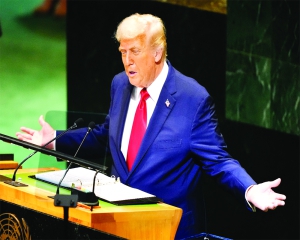
Signed by US President Donald Trump, now reinstated to office, the executive order titled “Restriction on Entry of Certain Non-Immigrant Workers” claims the visa program has been “abused” and now represents a “national security threat”.
India’s Ministry of External Affairs (MEA) on Saturday expressed concern, stating that the “full implications” of the measure are being studied. “The measure is likely to have humanitarian consequences by way of the disruption caused for families. The government hopes that these disruptions can be addressed suitably by the US authorities,” the MEA said in a statement.
The ministry also emphasised that skilled talent mobility has been crucial to the economic growth, innovation, and competitiveness of both India and the United States, and that future decisions must reflect mutual benefits.
India’s tech services industry, valued at over $250 billion, is among the hardest hit. The H-1B visa has long been a cornerstone of Indian IT companies’ onshore operations in the US.
Industry body NASSCOM cautioned that the abrupt nature of the order leaves no room for transition or planning:
“Policy changes of this scale are best introduced with adequate transition periods. Sudden implementation disrupts business continuity and affects both American and Indian companies.”
Top firms like TCS, Infosys, and Wipro are reportedly racing to reassign employees, bring back stranded staff and restructure US client delivery schedules.
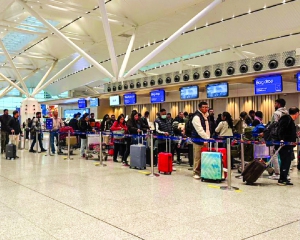
Perhaps the most immediate impact is being felt by H-1B visa holders currently outside the US, many on vacation, family visits, or business trips. With only hours left before the order comes into effect, some are making desperate efforts to re-enter the country.
“H-1B visa holders who are out of the U.S. will get stranded unless they return before midnight September 21. H-1Bs still in India may have already missed the deadline,” warned New York-based immigration attorney Cyrus Mehta on X.
Mehta noted that California may be the only feasible entry point left due to time zone differences, but “even that window is closing rapidly.”
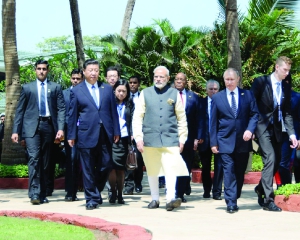
The move is being widely seen as a diplomatic blow to India-U.S. relations - particularly after recent high-level engagements like the G7 sidelines meeting between PM Modi and U.S. President, and previous public diplomacy spectacles like Howdy Modi and Namaste Trump.
“The US putting its relationship with India at risk is proof that it does not see us as a strategic ally,” said a senior Indian policy analyst. “This is a failure of foreign policy optics being mistaken for substance.”
The impact of this visa disruption will reverberate well beyond the tech parks of Bengaluru and Hyderabad, over 300,000 Indians are currently working in the US on H-1B visas, with Indians accounting for over 70 per cent of new H-1B issuances annually. The average H-1B salary is around $120,000, and remittances from H-1B workers significantly contribute to India’s $125 billion remittance economy. States like Andhra Pradesh and Telangana - which dominate the H-1B ecosystem - account for 37 per cent of India’s NRI bank deposits.
“A major source of intergenerational economic mobility has been shut down,” said an economist tracking NRI inflows. “This change could impact everything from housing markets in Tier-2 cities to education choices.”
The sudden policy shift has also sparked a wave of political critique within India. Analysts and opposition leaders are questioning what years of visible diplomacy - often focused on large diaspora events - have truly achieved.
“What did we gain from the Madison Square Garden rallies and ‘Howdy Modi’? Birthday wishes and photo-ops are not foreign policy wins,” a commentator noted. “The US is treating Indian talent as expendable and our response has been tepid.”
There is also concern over India’s growing strategic vulnerability, especially considering US tariffs, emerging Pakistan-Gulf partnerships, and India’s isolation on key multilateral issues.
India has already entered into de-dollarization agreements with over 18 countries, including Qatar and ASEAN nations, settling trade in rupees. Analysts argue this path must be accelerated to reduce dependence on US policy swings.
Meanwhile, industry stakeholders await clarification from the US Department of Homeland Security on waivers and transitional relief mechanisms - though expectations are low.
The end of the current H-1B structure marks more than just a visa policy shift. It’s a wake-up call for India’s foreign policy, diaspora diplomacy, and long-term talent strategy.
As families remain stranded and companies scramble, one thing is clear, India must rethink how it secures its global workforce and protects its strategic interests - beyond optics and applause.