



Breaking News


Pioneer Exclusive
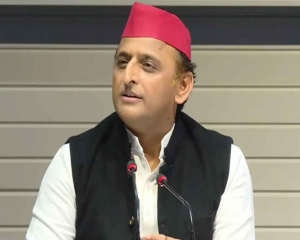
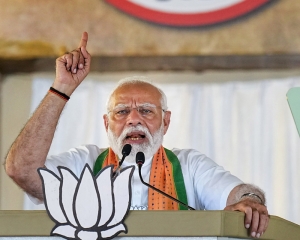
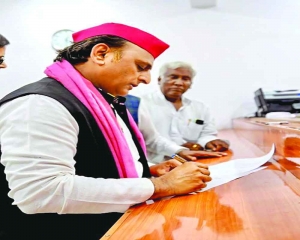
Akhilesh Yadav enters LS poll arena
After a prolonged period of speculation and internal discord, Samajwadi Party (SP) President Akhilesh Yadav...
Trending News

Bajaj Finance shares tank nearly 8 pc post earnings

Man City beats Brighton 4-0 to stay on course for another Premier League title
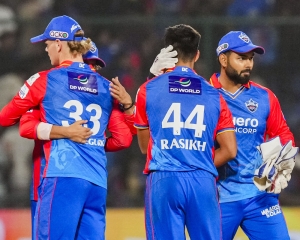
DC VS MI: Upbeat Delhi Capitals take on struggling MI as playoff race intensifies

KKR Vs PBSK: Kolkata bowling woes under spotlight vs shaky Punjab Kings
Kotak Mahindra Bank shares tank 13 pc; mcap erodes by Rs 37,721 cr post RBI action

Man United beats Sheffield United 4-2 after twice falling behind against last-place team

SRH VS RCB: Rampant SRH eye another run-fest against bottom-placed RCB

IMD issues heatwave alert for Thane, Raigad and Mumbai from April 27 to 29

DC Vs GT: Pant's captaincy under lens as DC eye improved bowling effort against GT

A cluster of earthquakes shakes Taiwan after a strong quake killed 13 earlier this month

Reliance Industries shares climb nearly 1 pc post earnings

Serie A title, second star and derby: Inter takes it all with win over Milan
Opinion
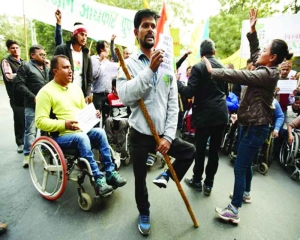
The marginalisation of disabled in politics

Patrimonial dispute
Why do Indians excel abroad and fail back home?

Graft dominates election discourse
Turncoats
Analysis

Neglect spurs industry exodus in Punjab

The Essence of Consciousness
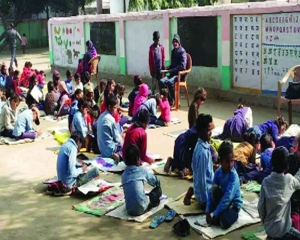
Bihar's educational reforms cock a snook at private players
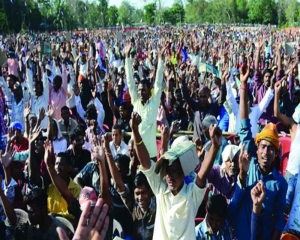
The democratic status of India under scanner

Navigating Workplace Anxiety
Entertainment

Anne Hathaway on development of 'The Princess Diaries 3': We're in a good place
Hollywood star Anne Hathaway says the third installment of "The Princess Diaries" is on. Hathaway, 41, who recently starred opposite Nicholas Galitzine in "The idea of You", said in an interview with the V magazine that despite being unable to share the updates, the project is "in a good place". “We're in...
Restored version of Shyam Benegal's 'Manthan' to premiere at Cannes Film Festival
26 April 2024 | PTIPriyanka Chopra Jonas' production 'Women of My Billion' to debut on Prime Video in May
25 April 2024 | PTIIPL streaming on betting app: Maharashtra cyber cell summons actor Tamannaah Bhatia
25 April 2024 | PTIPreity Zinta starts shooting for 'Lahore 1947'
24 April 2024 | PTICyber police register case against X user over 'deepfake' video of Ranveer Singh
24 April 2024 | PTIRajinikanth's 171st movie is titled 'Coolie'
23 April 2024 | PTI
Agenda

India Battles Volatile and Unpredictable Weather
Abrupt shifts in weather, as exemplified last week in Delhi swaying from moderate cold conditions one day followed by record-breaking warmth the next, underscore the...
more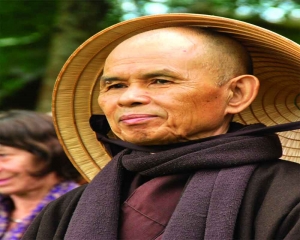
Thich Nhat Hanh | A guide to mindful citizenship, peace, and enlightenment
Through his life, his books, and his teachings, he continues to illuminate the path towards a world suffused with love, understanding, and mindfulness In the midst...
more
Immigration takes centre stage in US President primaries
President Biden faces Republican criticism over his policies, especially concerning Mexican migration. The issue gains momentum amid global observations of Trump’s immigration clampdown and domestic...
more
Astroturf | Mother symbolises convergence all nature driven energies
Taking off from the previous issue, it comes out that even if you are placed on a high pedestal, ego will prove self-defeating. And the...
moreFeatures

Preserving a rich legacy for a glorious future
World Dance Day is not just a celebration but a promise for the future, a future where Indian classical dance continues to inspire, says SAKSHI...
more
Mangoes are nature's antidepressants
Poor nutrition affects not just physical health, but mental well-being too, including conditions like depression and anxiety, says Rajdeep Joshi as he delves into the...
more
Page 1
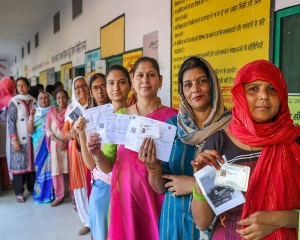
Stage set for Phase II LS polls
-
All eyes on North East
-
Kerala ready for election battle
-
Electoral showdown in North Bengal
-
Congress, BJP clash in Karnataka
-
Delhi LG in the dock
MCD Mayoral polls postponed
Polls to elect the new Mayor and Deputy Mayor of the Municipal Corporation of Delhi (MCD), scheduled for Friday, has been postponed due to non-appointment of presiding officer following a letter on behalf of Lieutenant Governor Vinai Kumar Saxena on Thursday, stating that he “does not deem it appropriate to...
Kejriwal under round the clock surveillance: Sanjay to PM, LG
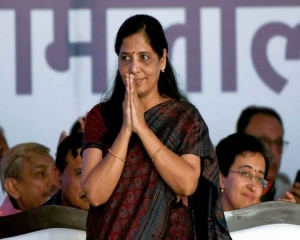
AAP planning bigger role for Sunita in LS poll campaign
AAP launches LS campaign song in view of Kejriwal arrest
Over 300 programmes conducted under SVEEP in Noida
AAP completely lost touch with people of Delhi: Sachdeva
Two arrested for abducting man, throwing him from eighth floor of building
Ice cream vendor stabbed to death over suspected love affair
BSP announces candidates for six LS seats of city
AAP questions Chief Secretary over bypassing elected Government
Govt employees still undergoing vigorous training for polling
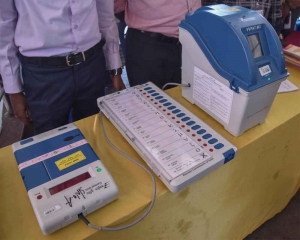
Voting for Bhopal Lok Sabha seat will be held on May 7. The responsibility of conducting voting will be on more than 10000 officers and employees. Those who are being given second training for 6 days started from Thursday. At 7 centres, they will learn the basics of EVM, mock poll,...
Jilani to move court against cancellation of his nomination
Jewellers father-son beaten up in the outskirts of Bhopal
National Undergraduate Physiology Quiz held at AIIMS Bhopal
WCR running 28 special trains during summer season
Madhya Pradesh Congress objects to the expenses on roadshow of Modi
Blue Star launches new range of ACs
CEO Anupam Rajan appeals to vote to strengthen the democracy
On Malaria Day, AIIMS Bhopal organizes programs
Cong wants to snatch weath of people in name of economic survey
briefs
AMIT SHAH TO VISIT ODISHA ON APR 25 Bhubaneswar: Union Minister of Home Affairs Amit Shah would arrive in Sonepur town of Subarnapur district on April 25, a BJP State leader informed on Sunday. He is to address a huge public gathering in Sonepur in the afternoon as part of the...
April 22: World Earth Day | Say No to plastic; stop the pollution
PhD candidates’ selection in ILS raises eyebrows
YouTuber Monalisa, hubby under ED scanner
NHRC seeks ATR on transgenders’ rights
Baripada hottest at 44.6 deg in State
115 fire points at Similipal till now
5,375 fire points detected in 7 days in State
BJP Dhenkanal LS Pravari meets Hota
DBF holds eye camp for underprivileged
Ranchi to host National Women’s Hockey Championship from April 30
Ranchi to host National Women’s Hockey League which is scheduled to start from April 30.Top eight State Member Units will participate in the Championship in the National Women’s Hockey League Hockey India Secretary General Bhola Nath Singh on Thursday in a press conference held at the Marang Gomke Jaipal Singh Astroturf...
Heat wave to continue for next five days
CBSE felicitates teachers of DPS Ranchi
Kalicharan Singh to file nomination from Chatra seat today
JMM bets on Samir Mohanty from Jamshedpur Lok Sabha seat
State students shine in JEE Mains exam
Election Commission to contact migrant labourers for voting
Campus recruitment drive held for trainees at Bokaro Private ITI
Vedanta ESL Steel clinches gold for exemplary safety Innovations
DPS Bokaro students excel in JEE Main - II 2024
Akhilesh files papers from Kannauj
In a significant move, Samajwadi Party national president Akhilesh Yadav filed his papers for the Kannauj Lok Sabha seat on the last day of nomination. Accompanied by party leaders, including Prof Ram Gopal Yadav, SP district president Kalim Khan, former MLA Kalyan Singh Dohra, and party’s state secretary Akash Shakya, Akhilesh...
Maya attacks Congress over inheritance tax Names candidate from Rae Bareli
Congress wants to rob SCs, STs, OBCs and poor of their rights: CM
Those against a secure India conspiring against the country once again: Yogi
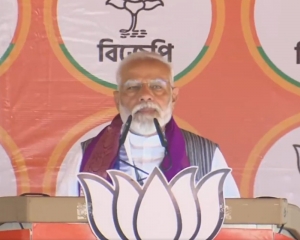
Modi accuses Indi Alliance and Congress of systematic plunder
Akhilesh to contest LS poll from Kannauj
Congress plotting to undermine reservation system, says Yogi
No poison found in Muktar Ansari’s viscera
Woman among 4 killed in separate incidents in Bareilly
Cong govt would put oil in ears during terror attack: Yogi
Senior Cong leaders rally behind party candidate Dr Gandhi from Patiala
In a display of unwavering solidarity, while brushing aside all differences, senior leaders of the Congress party have rallied behind Dr Dharamvir Gandhi, throwing their full support behind his candidacy for the Lok Sabha MP seat in Patiala constituency. Punjab Pradesh Congress Committee (PPCC) president Amrinder Singh Raja Warring on Thursday...
Haryana Voters to receive Wedding-Style Invitations for General Elections
Drugs, cash, other valuables worth Rs 321.51-cr seized since enforcement of MCC in Punjab
briefs
Congress will provide 50 percent reservation to women in jobs, says Mahila Congress President
Hry CM Saini meets Kuldeep Bishnoi, seeks support for Ranjit Chautala in Hisar
SAD leans towards supporting pro-Khalistan ideologue Amritpal for Khadoor Sahib
2423 complaints regarding violations of the Model Code of Conduct reported in Hry: CEO
Himachal Excise Department seizes a major haul of over 1 lakh liters of illicit liquor
Congress, AAP chalk out joint strategy for Chandigarh Lok Sabha election
Police find decomposed body of missing teenager
The police found the decomposed body of a teenaged boy in a ditch in a forest near Kathgodam in Nainital district. The boy was missing since February 17 this year, the officials said. They informed that the deceased has been identified as Bhaskar Dumka (15) who belongs to Bhimtal’s Padampuri but...
Police kill Tarsem Singh's killer in encounter in Haridwar
Chhatrapati Shivaji Maharaj Katha begins at Patanjali
Pritam Singh appointed head of Congress election campaign committee in U’khand
Congress’s anti women mindset reflects in list of LS candidates: CM
Priyanka to address rallies in Ramnagar, Roorkee on April 13
Modi to boost BJP’s chances of victory again with Rishikesh rally?
BKU postpones protest on Raturi’s assurance
UTU introduces ‘scholars for glance’ option for parents
U’kashi villagers threaten to boycott LS polls if road construction not resumed
Campaigning ends for C’garh’s three LS seats
Campaigning for the second phase of the Lok Sabha elections in Chhattisgarh ended on Wednesday evening, 48 hours ahead of the April 26 polls. Programmes like public meetings or processions are now prohibited . Three significant constituencies – Rajnandgaon, Kanker and Mahasamund --will vote that day with 6,567 polling centers. Of these,...
ED gets Tuteja’s custody
BOB launches phase-3 of fraud awareness campaign
Chaturvedi takes charge of PNB C’garh, Jharkhand
Ultra processed foods may up risk of diabetes
Inter-state online cricket betting racket busted
18 Maoists surrender in Dantewada
Shah vows to end Maoism from C’garh in two years
No relief to Anil Tuteja, judicial remand exended
Modi on two-day visit to C’garh from today

E-Paper
Hindi Edition
English Edition

Business

Reliance gets thumbs-up from S&P, Fitch as strong earnings keep leverage in check
-
Tech Mahindra shares zoom over 13 pc as co unveils three-year roadmap to bounce back
-
Indian housing market outlook bullish: Report
-
SRM IST hosts Conference on Occupational Therapy
-
ITC plans to open more hotels overseas: CMD Puri
Sports
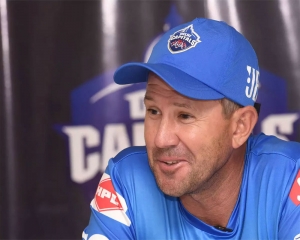
Have every bat that I scored an international ton with: Ponting
-
We're successful in setting targets, now time to polish chasing abilities: SRH coach Vettori
-
I will not have been close to what I am now if it was not for Vishy: Gukesh
-
Liverpool Premier League title hopes hit by 2-0 loss to Everton
-
Archery World Cup: Recurve men team in final
Technology

Infosys, Intel team up to drive enterprise growth with Gen AI

OpenAI reveals Voice Engine, but won't yet publicly release risky AI voice-cloning technology

Tejas Networks, Telecom Egypt ink pact to speed-up vision of Digital Egypt


















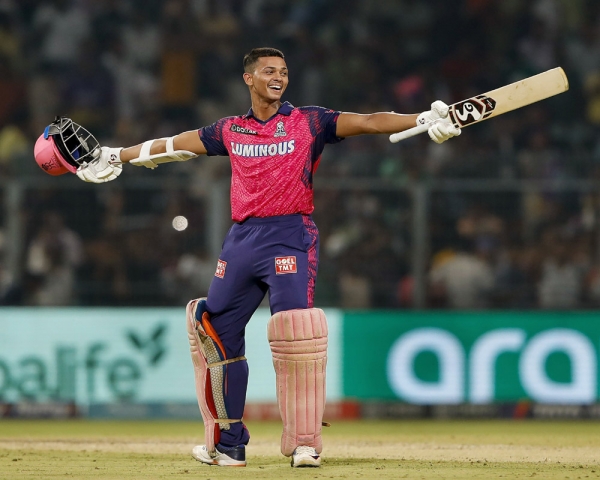
High-flying RR look to maintain winning run against resurgent LSG
High-flying Rajasthan Royals will look to continue their winning momentum and consolidate their position at the top when they take on a resurgent Lucknow Super Giants, who would be gunning for revenge at home in an IPL match here on Saturday. Former champions RR have looked in ominous form this season with seven wins from eight games, and they could be a tough nut to crack for LSG. LSG, meanwhile, too have played some good cricket and...
-
All-rounder's role is in danger with Impact Player rule: Axar Patel
-
DC pacer Rasikh Salam reprimanded
-
Trying to find batting combination that does well for us at back-end of IPL: Fleming
-
You need big heart when bowling at the death: Sandeep
-
We need middle-order to get more runs: PBKS bowling coach Charl Langeveldt
-
Du Plessis, Curran fined for IPL Code of Conduct breaches
-
RCB win toss, elect to bowl against KKR
Exotica

Welcome to the May edition of Exotica, the ultimate travel magazine for those seeking adventure and cultural immersion. This month, we have an exciting lineup of stories that will take you on a journey across India. Our cover story features the majestic Bandhavgarh Tiger Reserve, situated in the heart of Madhya Pradesh. Our correspondent has captured the essence of the reserve with its lush green forests, sprawling meadows, and, of course, the tigers. The reserve is a must-visit for wildlife enthusiasts and nature lovers alike. Get ready to experience the thrill of encountering these magnificent creatures up close and personal. For the foodies out there, we have an exclusive feature on Nagaland cuisine. Our writer takes you on a gastronomic journey to the far northeast, where you can discover the unique flavors and textures of this region's cuisine. From smoked meat to bamboo shoot delicacies, Nagaland has something to offer for everyone's taste buds. In addition to our other exciting features this month, we would like to draw your attention to the fascinating Burash flower, also known as Rhododendron in English. The Burash is a medicinal plant that grows in the Himalayan region and has been used in traditional medicine for centuries. The plant has many health benefits, including its ability to reduce inflammation and fever. The Burash flower is also known to be effective in treating respiratory ailments such as asthma and bronchitis, and has even been used to help alleviate pain during childbirth.