A practical policy framework must be designed in a manner that transforms not only health-seeking behaviour but also help-seeking behaviour at idiosyncratic level
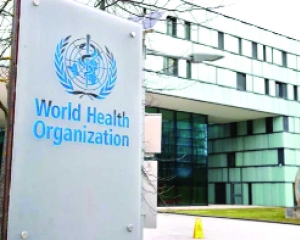
The theme of World Health Day this year “Health Promotion for Well Being, Equity and Sustainable Development†narrates the trending need for the promotion of preventive and precautionary attitudes followed by a curative attitude among the population of India. However, the celebration of the day in India - where only 40 per cent of households with any usual members are covered under a health insurance/financing scheme and only 58 per cent use clean fuel for cooking (NFHS-5: 2019-21) - is confronted with serious concerns. The expenditure incurred by the Government of India on health (3 per cent of GDP) is lower than the average health expenditure of low-middle-income countries (3.71 per cent of GDP).
According to National Family Health Survey (NFHS-5), alcohol and tobacco addiction among men is 18 per cent and 38 per cent respectively. More than 50 per cent of the female belonging to the reproductive age group are anaemic. The gloomiest of all the pictures is of children, as 67 per cent of them are juvenile anaemic in the age category of 0.5-10 years. NIMHANS-conducted National Mental Health Survey 2015-16 shows that an estimated 150 million of the population, both children and elderly of all genders in rural and urban areas, need both short and long-term mental health-care.
After absorbing three shocking waves of Covid-19 pandemic, the health section of the economic survey of India has focused on the Covid vaccination drive, while neglecting the fact of whooping rise in the count of individuals suffering from chronic non-communicable diseases, giving birth to the incidences of polymorbidity in the country. Furthermore, the public spending on non-communicable diseases (NCDs) is less than 0.5 per cent of GDP in India. The Centres for Disease Control and Prevention (CDC) published its findings on post Covid conditions stating that the long-term impacts occur as multi-organ effects which in turn causes changes in many body systems, including heart, kidney, skin, lung, and cognitive functions, and complicated autoimmune conditions.
Since equity and well-being lie at the heart of the World Health Day theme, the discussion is confined to the figures that provide the testimony on equity in health-care in India. The significant inequities have been observed in the NFHS-5 fact-sheet in context to the nutritional status of adults in 15-49 years age group where the women count in both underweight and overweight category, i.e., 18 per cent and 24 per cent, are more than men, i.e., 16 per cent and 22 per cent respectively. This is foolproof evidence of an alarming situation of the future carriers (women) as they have become more vulnerable to being trapped by NCDs.
Despite the implication of various health-care schemes such as Janani Suraksha Yojana (JSY), Janani Shishu Suraksha Karyakaram (JSSK), Mission Indradhanush, National Ayush Mission, Pradhan Mantri Swasthya Suraksha Yojana, and Ayushman Bharat, the percentage of male and female population suffering from diabetes is around 14 per cent, while hypertension ranges from 21 per cent to 24 per cent(NFHS-5: 2019-21).
The daunting task of promoting health for well-being, equity, and sustainability cannot be fulfilled without empowering women. The result from NFHS-5 data on currently married women who participate in basically three household decisions consisting of decisions about health-care for herself, visiting her relatives, and making purchases of major household stuffs, shows the lack of female autonomy in decision making; and narrates a lag of 12 per cent to achieve the target of 100 per cent. It is impossible to paint a healthy India where only 77 per cent of women aged 15-24 years apply hygienic method in their menstrual period.
Evidence from other countries proved that behavioural interventions and insights play a crucial role in promoting the holistic well-being of an individual. Behavioural health interventions designed with insights from behavioural economics affect the decisions and actions taken by an individual in consideration of her health.
The Government should try to influence the behaviour of citizens by introducing nudges in the form of leveraging loss aversion, disclosing outcomes, ease of choice, repetitive reminders, proposing indirect suggestions accompanied by positive reinforcement in the policy instruments. This rising burden of substance use disorder and degrading well-being demands urgent attention and immediate action from policymakers and health professionals, and individuals through triggering health-seeking behaviour. A practical policy framework must be designed in a manner that transforms not only health-seeking behaviour but also help-seeking behaviour at idiosyncratic level.
(Pratap C Mohanty, a specialist in Health Economics, teaches Economics at IIT Roorkee. Pragya Taneja is a PhD fellow, IIT Roorkee)