Fuelling India’s Growth Story with Smarter Proteins
What’s common between spongy khaman dhoklas, fluffy idlis, or a glass of refreshing kanji? It’s those tiny-yet-mighty friends, microorganisms, that make food tastier and healthier through fermentation. Indian cuisine is no stranger to the magic of fermentation, which for thousands of years has played a major role in ensuring that our food remains safe, nutritious, and delicious. Fermentation, a branch of biotechnology, has also been a crucial tool to grow more food from side streams - things we generally throw away during food processing. Be it growing mushrooms using wheat straws or producing yeast proteins using molasses, advances in biotechnology are helping us leverage the power of this age-old process of fermentation to develop innovative food ingredients and end-products like smart proteins.
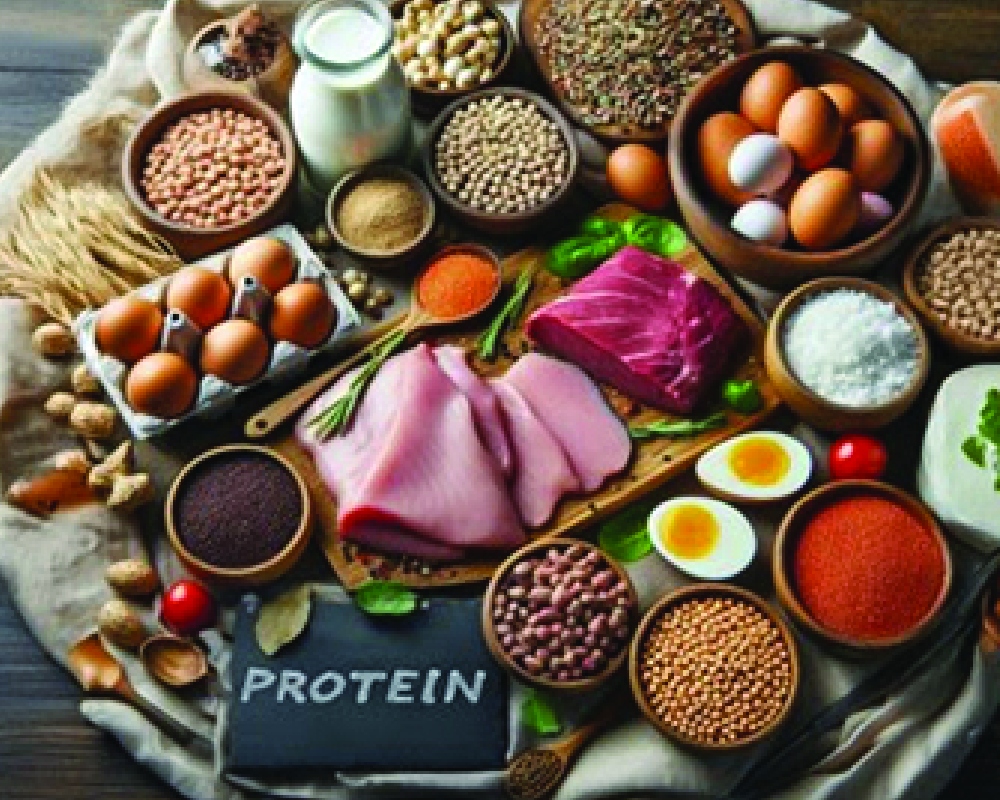
Smart proteins, or alternative proteins, are protein-rich foods derived from plants, cultivated animal cells, or fermentation that can be sustainable substitutes for animal-based proteins. Economic and cultural barriers to accessing animal proteins, coupled with the climate and public health inefficiencies of meeting the growing demand for meat, posit the need for India to explore alternative pathways to sustainable food production. Smart proteins not only have a much smaller environmental impact compared to traditional animal proteins but also hold the potential to future-proof India’s public health and nutritional challenges.
Our strong cultural heritage has often inspired us to find solutions to the most pressing problems in accessing nutritious foods. From using vegetable peels to make delicious pickles to making Panta Bhat from leftover rice, Amma has always found ways to make the most out of what we have. Today, particularly as the country faces the challenge of protein malnutrition, is the best time to look back into her kitchen with the lens of biotechnology and find new ways to bring nutritious and delicious protein to everyone’s plate, at scale.
India’s bioeconomy has grown exponentially in the past decade to USD 165.7 billion. With strengths in low-cost commercial biomanufacturing and specialised R&D centres spread across the country, the sector is poised to reach USD 300 billion by 2030. The recent BioE3 policy by the Union Government plots these ambitions into a roadmap. With key initiatives such as setting up a network of specialised infrastructure clusters, viz. ‘Biofoundries’, the policy aims to support impactful bioinnovations take their first step out of the lab into pre-commercial scale. Smart proteins, identified as one of the focus areas in the policy, offer limitless opportunities to create value from waste. The application of fermentation does not end at growing proteins from agricultural sidestreams alone; it pushes the very boundaries of how we have looked at food for centuries. Imagine a future where you start your day with a glass of cruelty-free milk produced by yeast instead of cows, have a lip-smacking snack of ‘Chicken 65’ made from mycelium (fungi), and dine on a Neapolitan pizza topped with mozzarella made using precision fermentation. 12,000 years ago, the invention of agriculture revolutionised our food systems, and now we are nearing the next stage of its evolution. With the established policy impetus and technical capabilities to make this transformation a reality, and regulatory pathways sure to follow, the real challenge now lies in translating these solutions to large-scale production.
To achieve full-scale commercialisation, we must tap into the existing 10,000 unit strong biomanufacturing infrastructure. Meanwhile, taking advantage of the rising global interest and investments in fermentation-derived smart protein solutions for greenfield and brownfield projects, India can earn a global manufacturing edge in the sector and fuel long-term growth. Along with the potential to fulfil the nutritional needs of a growing nation, smart proteins provide a tool to leverage biotechnology to achieve our economic goals by creating value from waste, environmental goals by catalysing a sustainable and circular food system, and generating employment across the value chain, from the farm to the factories. Scientists, engineers, farmers, and policymakers must all work together to feed our 1.4 billion-strong nation and fuel India’s growth story for the coming decades. Our technical and infrastructural strengths in food, fermentation, and biotechnology are crucial advantages for helping quickly build a resilient and sustainable food system with smart proteins and ensuring access to high-quality nutrition for everyone in the face of climate change.
Ravi Audichya is a Science and Technology Specialist - Fermentation at the Good Food Institute India