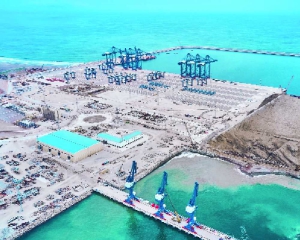
I am an empanelled arbitrator for infrastructure projects. I am also a member of dispute resolution boards in a few such contracts. This is the result of a change in my professional trajectory towards infrastructure almost 27 years ago. My experience as a project person, and now as a conciliator, has made me realise that securing a contract is relatively easier than execution due to ambiguity, inadequate study and interpretation of the contract by both the involved parties, namely the client and the contractor.
A third entity by the name of consultant is sometimes introduced in big-size projects with the purpose of ensuring a smooth and timely completion without any conflicts. They too add to the confusion. This is despite a reasonably good document, detailed discussions and clarifications before bidding, and the best intentions and efforts of all the parties to successfully complete and close the contract.
I realise that marital relationship is no different. It is a contract without a written document. I understand that many young couples have now started getting into written pre-nuptial agreements. The entire process, whether in projects or in relationships, is similar. In most of the middle-class families, both sets of parents start framing details of requirements and the terms of offer. It is both interesting and simultaneously disappointing to note that the two persons who are going to spend rest of their lives together, even after the parents are gone, do not bother to involve themselves in the exercise, despite being in a better position to do so with education and availability of information on the internet. They need to be more involved. Things are looking up as many youngsters are willing to take charge of their future life. There is a period of courtship, and sometimes even a live-in, to ascertain the suitability of entering into the agreement, or even update or amend the terms of engagement.
The responses from the prospective applicants are evaluated. There is a shortlist. The final selection is made after discussions and based on mutually agreed techno-commercial terms. I consciously use the word ‘commercial’. It is a sad reality. A date is finalised for the formal signing of the agreement.
Both the parties indulge in a lot of self-congratulatory and joint celebrations through age-old ceremonies before the wedding date. We now encounter two important consultants, one from each side, the priests, who shall administer the terms of the understanding between the bride and the groom through a series of elaborate rituals. It is a different matter that much of these instructions are in a language which now very few understand, least of all the two involved parties, who are lost to the world in the euphoria of the moment. With the wisdom of age, and availability of material on the internet, I can now say that the vows taken at marriage would probably result in happier and long-lasting relationships if the promises are made after a good understanding much before the W-Day. Many do lead a contented life till the end, riding the crests and troughs. However, it is well-nigh impossible to be perfect where human emotions are involved despite best intentions. Couples, at least till my generation, were brought up with the belief that the terms of this bond were divine and life-long, and we mortals did not have the authority to change them. The youngsters do not think so. They would rightly and justifiably terminate a relationship if it does not give them satisfaction and happiness.
This does not sit well with the parents and well-meaning relatives. They judge the young through the lens of their values. They would still advise the couple to give it a little more time. This attempt at finding a solution through the efforts of the conciliators, or the dispute members or the arbitrators, may or may not work. The two parties, after having exhausted all other measures for an amicable solution, may engage lawyers to meet in the court of law.
This is also the life cycle of infrastructure and other projects. They also go through the same pangs. Contract execution or administration or management is a microcosm of life. Relationships are fragile and ought to be nurtured with clarity and clear understanding of the terms. However, there should be no hesitation to terminate the agreement, without acrimony, if the situation so warrants. Life must keep moving.
(The author is an electrical engineer with the Indian Railways and conducts classes in creative writing)