The Union Home Ministry is in the process of rolling out the second phase of the scheme for modernisation of prisons with emphasis on creation of additional capacity, improvement of living conditions of inmates, initiatives in correctional services with industry-prison interface and academia-prison interface, technology-enabled prison management and upgradation of security systems of prisons.
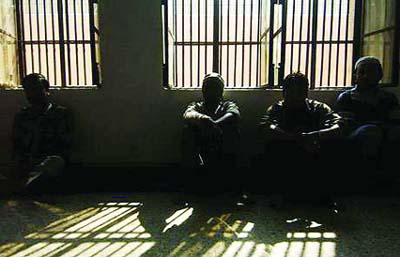
According to data with the Ministry, there is an overcrowding of 12.1 per cent on the national average, general shortage of staff in all categories. The all-India average of actual staff in position against sanctioned strength is only 65.6 per cent.
The number of jail inmates per jail official is nine according to the national average and in Bihar it is 18, Jharkhand-15, Chhattisgarh 14 and Uttar Pradesh-12. The prison population has gone up exponentially while the sanctioned strength of the wardens and the prison staff has not been revised proportionally. Objectives also include introduction of video conferencing facilities with courts to minimise inmate movement.
The Union Home Ministry has urged the States to set up dispensary/hospitals in prisons with round-the-clock medical staff for timely medical help to avoid deaths in jails. The vacancies of doctors and paramedical staff need to be filled up by the States. There are 620 Resident Medical Officers/Medical Officers against 1074 sanctioned posts. A total number of 1,332 deaths were reported (1,244 natural and 88 unnatural) during the year 2011. The cause of deaths needs to be ascertained for remedial action, according to the ministry.
The States have also been asked to emphasise on correctional programme/vocational training in the jails. The Ministry has asked the States to enlist NGOs and other active non-profit organisations for education of the prisoners as also their rehabilitation and introduce rehabilitation scheme for those undergoing imprisonment for five years or more.
Stressing on the use of technology for basic data management, analytics and data sharing across States on a real-time basis, the Centre has urged the States to use it in training of staff, videoconferencing facilities with courts to minimise inmate movement, citizen-centric services like visitor management systems, prison management systems and security-related management systems.
The Centre has also urged the States to enhance the wage given to prisoners for working in prison workshops. Noting that reintegration of released inmates is a neglected area, the States have been advised to profile the prisoners and prepare resettlement plans for inmates after their release with the aid of NGOs.
To reduce overcrowding in jails, the Ministry has issued an advisory to the States to take up the cases for review and release of under trials who have spent half of their likely terms in incarceration on personal bond with or without surety.
“Existing prison buildings are not functionally suitable. Prison industries and work programme needs improvement to be of any rehabilitative value for inmates. Due to lack of technology, trafficking in drugs, use of mobile phones and use of intoxicants is not detected in prisons. Scientific approach towards treatment of offenders is yet to be accepted and adopted by prison administration Training of prison personnel has been woefully neglected because of short-staffing leading to inefficiency, lack of financial discipline and corruption,” a senior ministry official said.
The first phase of prison reforms was rolled out in 2002-03 in partnership with the State governments with an outlay of Rs 1796.5 crore with an emphasis on decongestion by capacity addition and improvement in the quality of prisons. As many as 126 new jails, 1,579 barracks and 8,658 staff quarters were built. The second phase aims to consolidate the gains made in the first phase of modernization of prisons.
A total of 2,41,200 undertrial prisoners were lodged at the end of 2011. This figure constitutes 64.7 per cent of the total inmate population lodged in various jails across the country. Most of the prisons across the country do not have a single welfare officer, psychologist, psychiatrist or social worker.