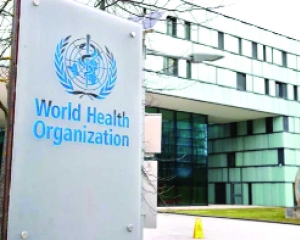
As the world observed World Stroke Day on Saturday, the World Health Organisation (WHO) urged member countries, including India, to have a well-prepared health system to prevent strokes. India has much higher incidences of brain strokes than western countries.
Over 1.10 crore strokes occur every year in low and middle income countries of WHO South East Asia Region. India reports 16 lakh cases of stroke every year with health experts here blaming at least one third of such to lifestyle changes and deteriorating air quality.
Dr Poonam Khetrapal Singh, WHO Regional Director for South-East Asia said, in low-and middle-income countries, which include those of the WHO South-East Asia Region, over 11 million strokes occur every year. This causes 40 lakh deaths annually, leaving approximately 30 per cent of survivors seriously disabled. For the 70 per cent of survivors who recover, the likelihood of suffering further strokes is greatly increased.
A ‘brain stroke’ or a ‘brain attack’ is an event and condition that many of us know little about, but each one of us has the capacity to prevent and detect, she said.
People with high blood pressure, high cholesterol, heart disease, diabetes or a high blood-sugar level are vulnerable to brain stroke, she added. A recent study by the Delhi-based Fortis Escorts Heart Institute too reveals that lifestyle problems such as depression, chronic anxiety and job stress trigger the brain and heart strokes among people, including youth.
“Pollution in the air thickens the blood and hardens arteries, known as atherosclerosis. Once this process starts, the plaque is built up in the arteries, narrowing them down and causing strokes,” said PN Renjen, Senior Consultant Neurologist at Indraprastha Apollo.
Dr Sanjay Kalra, vice president, South Asian Federation of Endocrine Societies said people with diabetes need to take steps to ensure that their heart and blood vessels are healthy. These will also reduce the chances of getting a stroke.
Stroke can cause lasting vision problems, seizures, fatigue, loss of speech, memory loss, and paralysis among other adverse effects. If severe enough, it can also cause death.