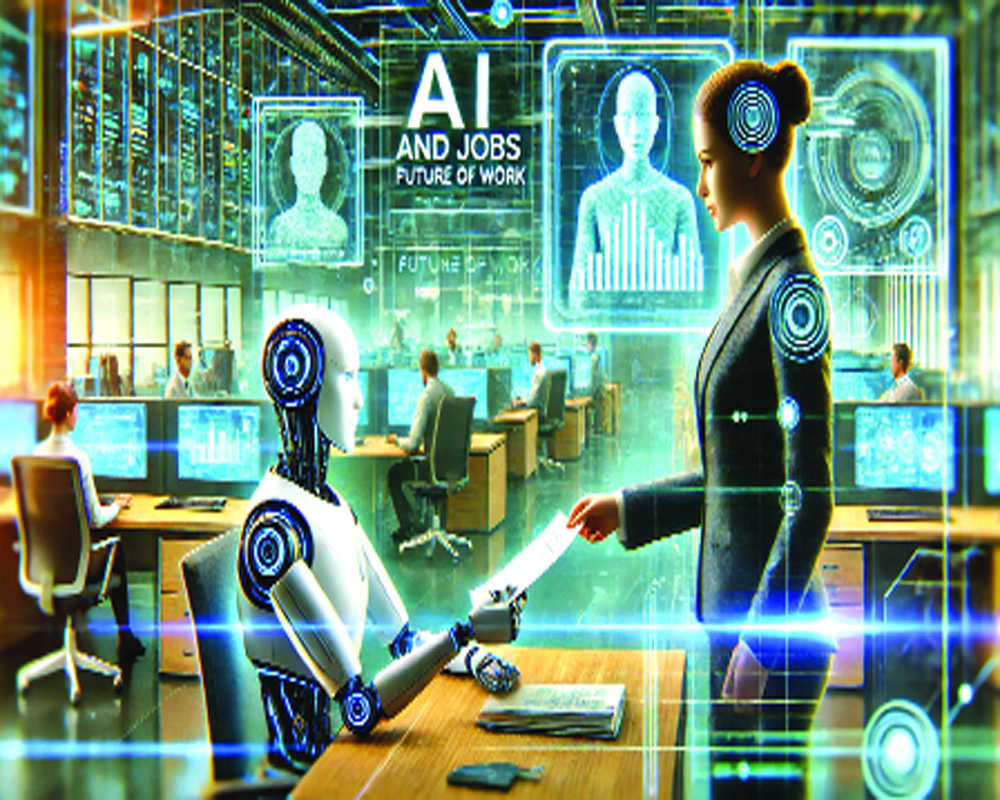
The rapid growth of AI, has intensified the demand for skilled professionals. Yet, a stark talent gap threatens this progress
Technology has become an integral part of our daily lives and work, making continuous learning essential to stay relevant. The rapid adoption of automation and advanced digital technologies, such as artificial intelligence (AI), is not just transforming industries but also reshaping the skills employers expect from their workforce. By 2027, it is projected that 80 per cent of engineering roles will require employees to undergo training and development to meet the changing demands brought about by AI advancements, according to Gartner.
In India, the demand for skilled professionals in technology-driven fields, especially AI, is growing significantly. Reports by BCG and NASSCOM indicate that the AI market in the country could grow to $17 billion by 2027, with an annual growth rate of 25–35 per cent. However, this growth is accompanied by a stark shortage of experts in advanced technologies. NASSCOM estimates that over a million skilled engineers specialising in AI and related technologies will be needed in the coming years. Alarmingly, the talent gap could rise from 25 per cent to nearly 30 per cent by 2028, emphasising the critical need for skill development among both new graduates and experienced professionals.
One significant challenge is the disconnect between formal education and the practical skills required in the job market. Every year, approximately 1.5 million engineering graduates enter the workforce in India, yet only a fraction secure jobs aligned with their field of study. This mismatch is not due to a lack of opportunities but stems from the gap between the theoretical knowledge imparted in academic institutions and the hands-on skills sought by employers. Beyond technical expertise, companies now prioritise candidates with interpersonal skills and emotional intelligence, essential for thriving in collaborative and dynamic work environments.
The India Skills Report 2024 highlights this concern, noting that while some states, such as Telangana, have made strides in job preparedness among the 18 to 21 age group, critical skill gaps persist. For roles reliant on AI and emerging technologies, the gap ranges from 60 per cent to 73 per cent. These statistics underscore the urgent need for educational institutions to revamp their curricula to better align with industry demands.
Updating academic programmes is vital to bridging this gap. Universities and colleges must incorporate industry trends and practical learning experiences into their courses. Today’s workforce needs to think critically across disciplines and understand the broader implications of technology on economic, social, and cultural contexts. Flexible and continuous education plays a pivotal role in closing the divide between academic knowledge and the realities of the job market.
Digital learning platforms offer a promising solution in this context. With over 50 per cent of Indians actively using the internet, online education provides accessible opportunities to acquire new skills. Edtech platforms specialising in skill enhancement allow individuals to enroll in tailored courses and programmes, preparing them for rapidly evolving job landscapes.
The benefits of continuous learning extend beyond career advancement. Employees who are adaptable and committed to enhancing their knowledge contribute to organisational innovation and help businesses navigate shifting market dynamics. For instance, as AI becomes more integrated across industries, the demand for experts in these technologies will continue to rise. Forward-thinking companies are already investing in employee training programs to stay competitive and ensure their teams are equipped to handle emerging challenges.
Despite these efforts, many traditional educational institutions struggle to meet industry needs. Relying heavily on lecture-based teaching, these institutions often focus on theoretical knowledge at the expense of practical skills. Students have limited access to industry-standard equipment or opportunities for hands-on problem-solving, leaving them ill-prepared for the workforce. Integrating real-world applications into academic learning bridges the gap between theoretical instruction and practical expertise, ensuring graduates are ready to meet employer expectations.
Upskilling is not just about addressing current deficiencies—it involves cultivating a mindset of continuous improvement. In a world where industries evolve rapidly and the shelf life of skills is shrinking, professionals must adapt to new technologies and methodologies quickly. Skills once considered indispensable can become obsolete within a few years, making the ability to learn and relearn critical for success in today’s professional environment. For individuals and organisations alike, embracing continuous education is a strategic move to navigate the present and excel in the future.
(The writer is CEO at Scholars Merit, views are personal)